
When asset tags must stay readable for years
Asset tagging is usually about control, not decoration. You need plates and tags that carry a serial number, department code, QR code, barcode or asset reference and still read clearly after years of use. In factories around Germiston, Boksburg, Isando and Kempton Park, those tags get handled, wiped down, stored outdoors, moved between sites and sometimes exposed to dust, coolant and humidity.
A fibre laser marking machine gives a clean, permanent mark on stainless steel, anodised aluminium, brass and some coated metals. That makes it a strong fit for plant assets, racking, electrical enclosures, tools, fleet components and facility equipment. For a Durban coastal site the main concern may be humidity and corrosion, while in Gauteng the issue is often grime, vibration and repeated handling. Either way the mark must stay sharp.
Typical equipment set for serialised tag marking
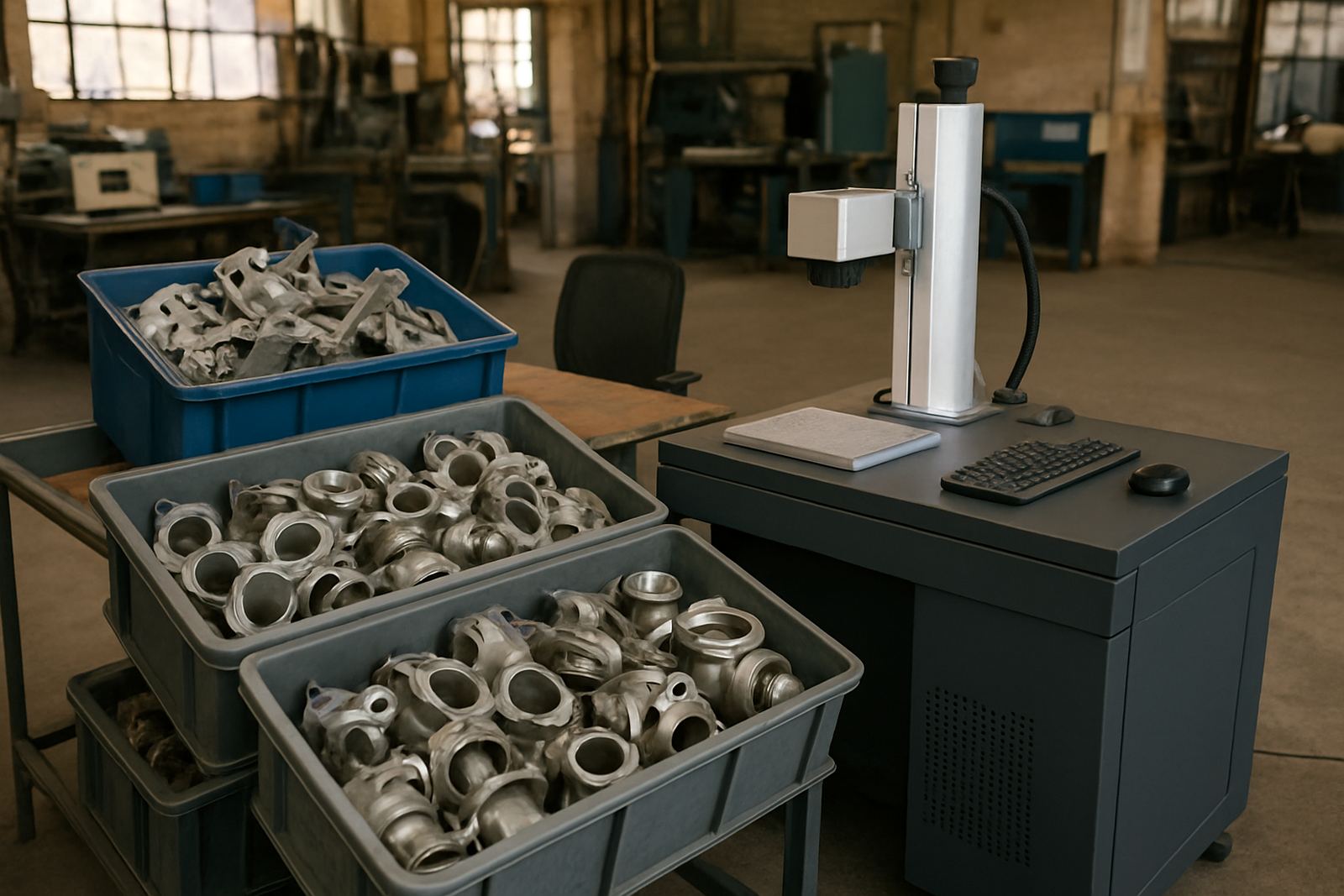
Most asset-tagging jobs do well with a compact fibre laser, a stable worktable and a fixture that holds tags flat and in the same position every time. If the tags are small, a simple jig can speed up loading and reduce operator error. For higher volumes, a rotary or multi-cavity fixture may be worth it, especially when one batch contains many item numbers.
- 20W to 50W fibre laser for most metal tag work
- Adjustable marking head and work area for different tag sizes
- Dedicated fixture or nest for repeatable placement
- Software set up for serial numbers, logos, barcodes and QR codes
- Extraction or good workshop ventilation where marks create fine residue on coated parts
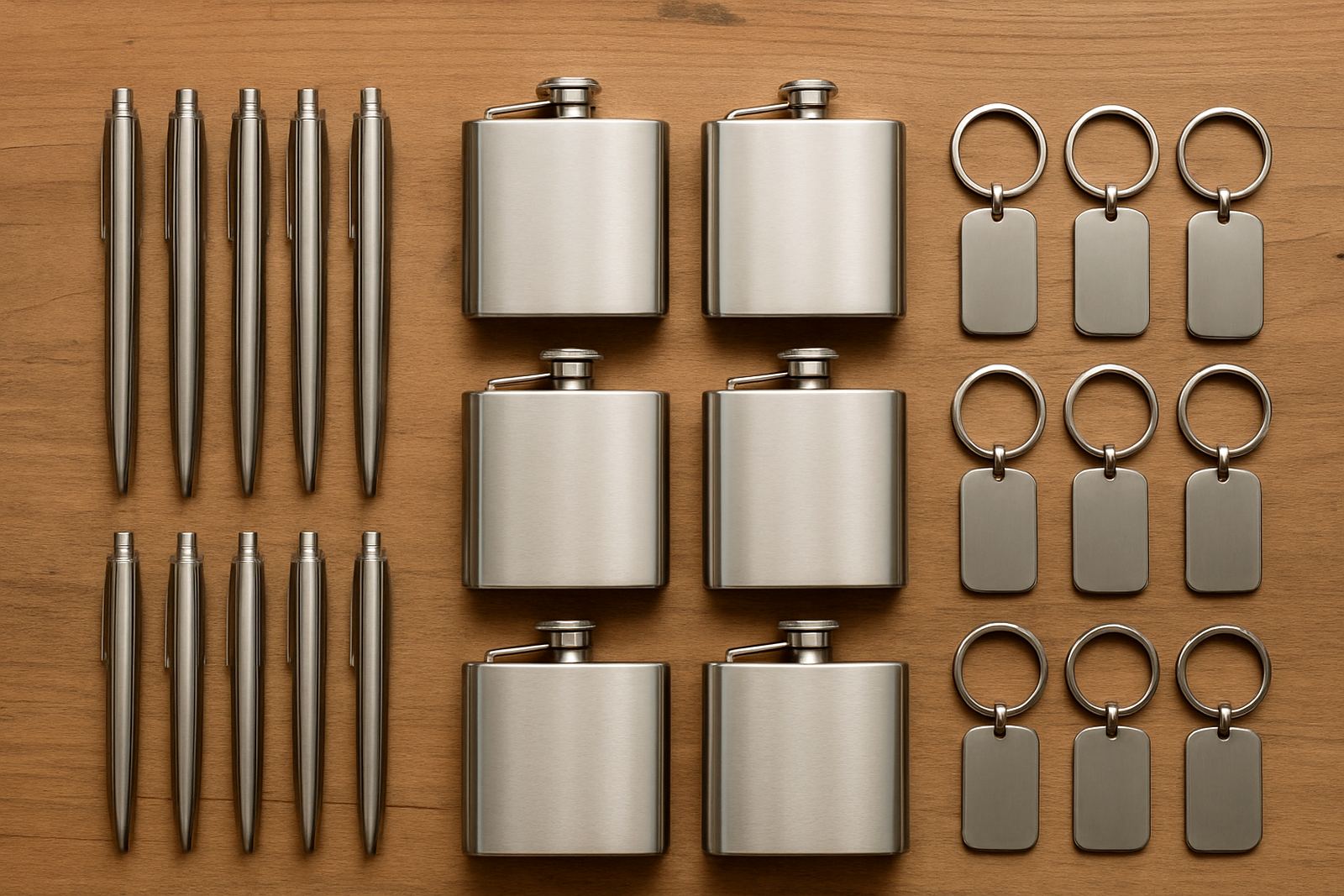
- Label or tag stock cut to your standard sizes, often 20 x 50 mm, 30 x 60 mm or custom shapes
If you need to mark thicker plates, darken the surface, or run batches on a shift basis, the machine choice changes with the load. We usually look at tag size, daily volume, required contrast, and whether the operator must scan and mark from the same file. That planning saves time later and avoids the wrong machine being bought for a job that outgrows it in six months.
Layout planning for plant, fleet and facility control
A good asset-tagging station does not need much floor space, but it must be planned properly. In a workshop or stores area, leave enough space for incoming blanks, finished tags, barcode checks and safe movement around the machine. If the marking area is near a loading bay or a compressor room, vibration can affect consistency. A solid bench and level surface help more than many people expect.
For sites in Gauteng, load-shedding planning matters too. If the machine must keep working during outages, add a backup power plan for the PC, lighting and any support gear. On larger sites we often suggest a separate marking station near dispatch or asset control so the person doing tagging is not also walking back and forth to the stores office. In busy facilities that saves time and reduces mix-ups.
- Plan for tag intake, marking, inspection and packing in one flow
- Keep blank stock and finished tags clearly separated
- Use one naming method for serials, departments and location codes
- Allow space for sample checks with a scanner or camera if needed
- Fit the station where dust, traffic and forklift movement are lower
For fleet work, think about tag size and attachment method before buying the machine. A tag for a truck battery compartment is not the same as a plate for a workshop tool or a municipal bin. The machine can mark all of them, but the fixture and file setup must match the job.
Common mistakes that cause rework and rejected tags
One of the biggest mistakes is choosing a marking method that looks fine at first but fades, scratches or lifts after handling. Text that is too small for the tag size causes trouble as well. Where a code must scan at a warehouse gate, both contrast and the quiet zone around the code matter. A crowded layout on a 25 x 50 mm plate can be hard to read even when the laser mark itself is clean.
People also underestimate fixture design. Loose tags move slightly, and that changes alignment from piece to piece. If you are marking hundreds of serialised plates, a proper nest is worth the effort. The same goes for software files. Separate templates for asset numbers, fleet ID and maintenance tags prevent operator confusion, which is where mistakes creep in.
- Do not mix too many font sizes on one plate
- Do not place codes too close to the edge of the tag
- Do not rely on adhesive labels for oily or outdoor assets
- Do not skip sample marking before a full batch run
- Do not ignore corrosion resistance for coastal or washdown sites
Budget ranges for South African asset-tagging setups
Budget depends on tag size, daily output and how much automation you need. A compact fibre laser setup for low to medium volume asset tags usually starts around R95 000 to R180 000, depending on the marking field, power level and fixture requirements. If you need better throughput, more advanced software control or multiple workholding options, the budget can move into the R180 000 to R350 000 range.
For sites with regular batches, sample approval and strict asset control, it is often better to buy the right setup once than to patch together a cheaper arrangement that needs constant rework. Installation, operator training, software setup and focus calibration should all be part of the plan. That way the first batch is done properly and the team can keep going without outside help for every change.
Support for installations, training and ongoing uptime
We work from Wadeville, Germiston and support clients nationwide, from small workshops to large production sites. Asset tagging jobs often need quick turnaround and practical training because the person running the machine is also dealing with stock, dispatch or maintenance records. Our team assists with machine installation, operator training, software setup, preventive maintenance, breakdown repairs, spares supply, fixture design, sample marking, process optimisation, site relocation and remote assistance.
For many customers the real value is not only the mark quality, but the ability to keep tags moving through the shop without delays. Whether you are tagging plant assets in Alberton, fleet items in Jet Park or facility plates in Isando, the aim is the same: clear serialisation, steady output and less time spent correcting mistakes.