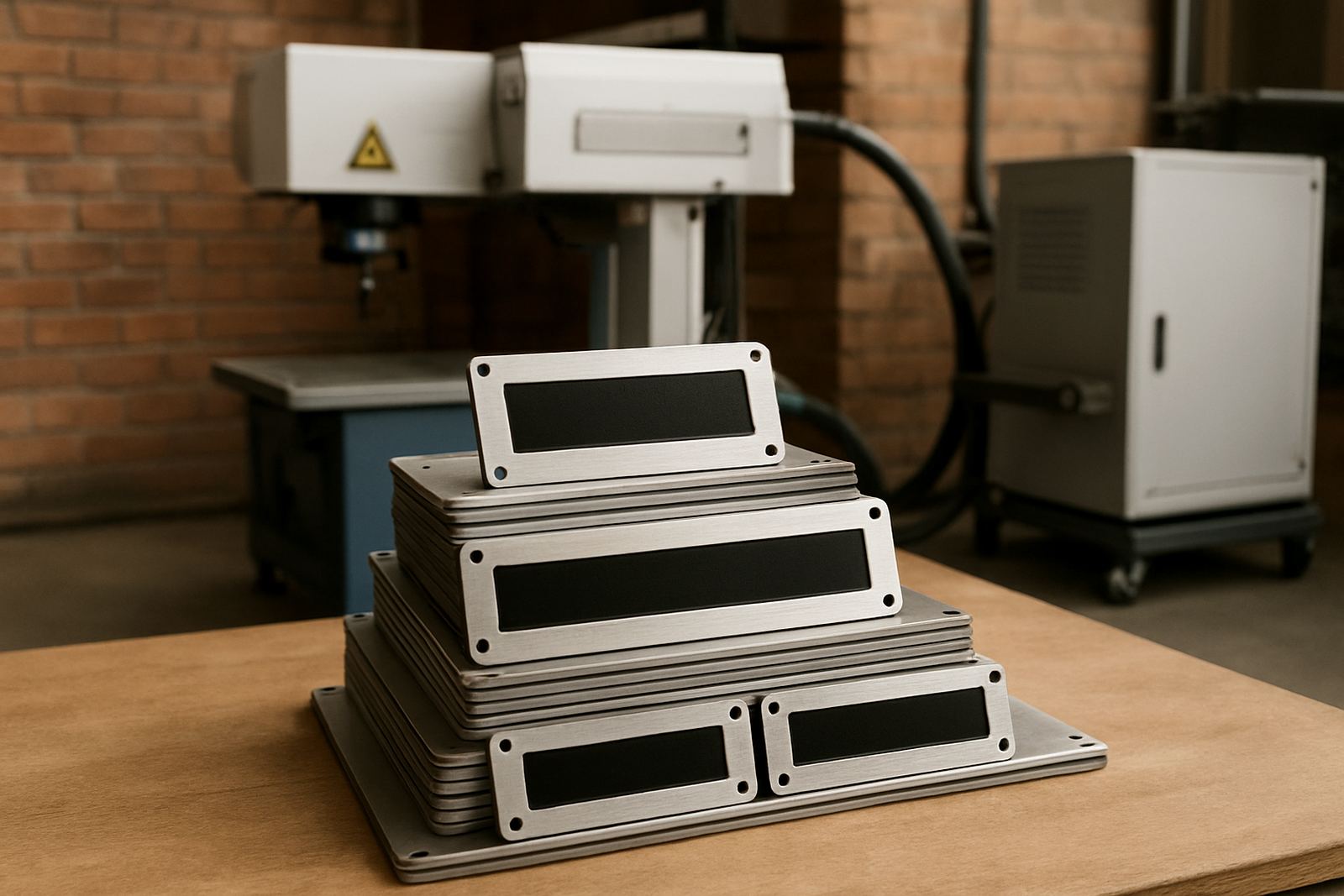
What These Marking Jobs Show
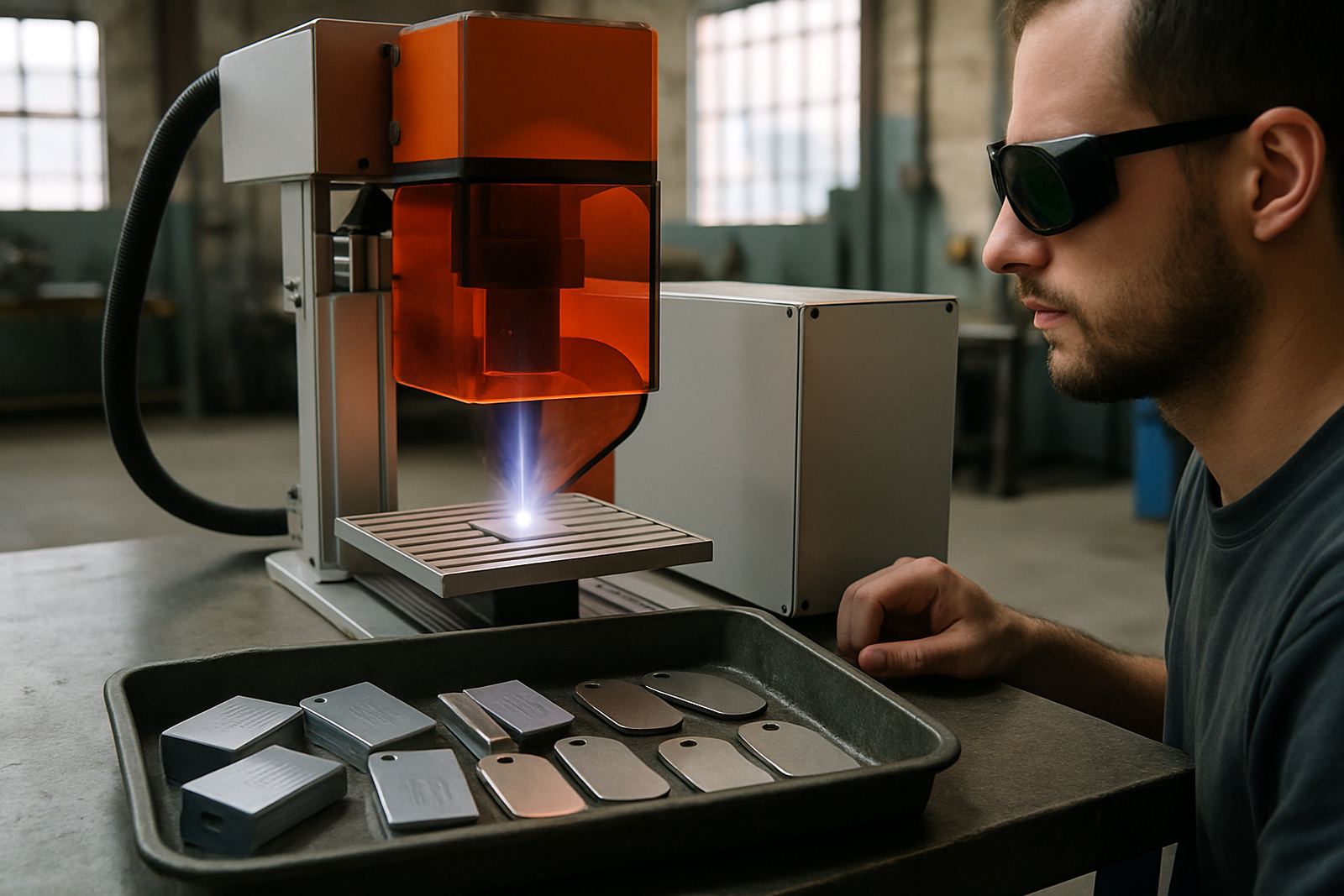
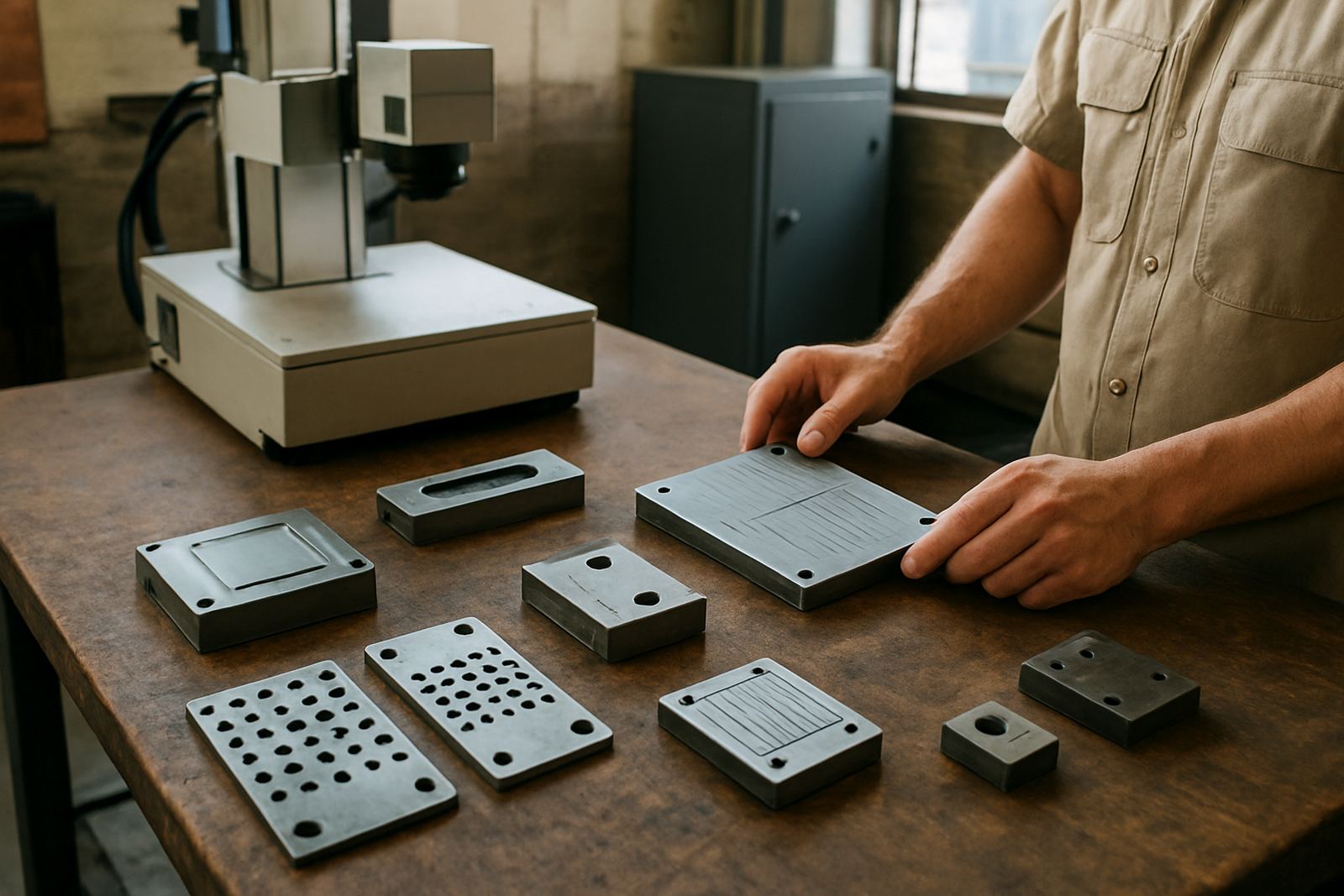
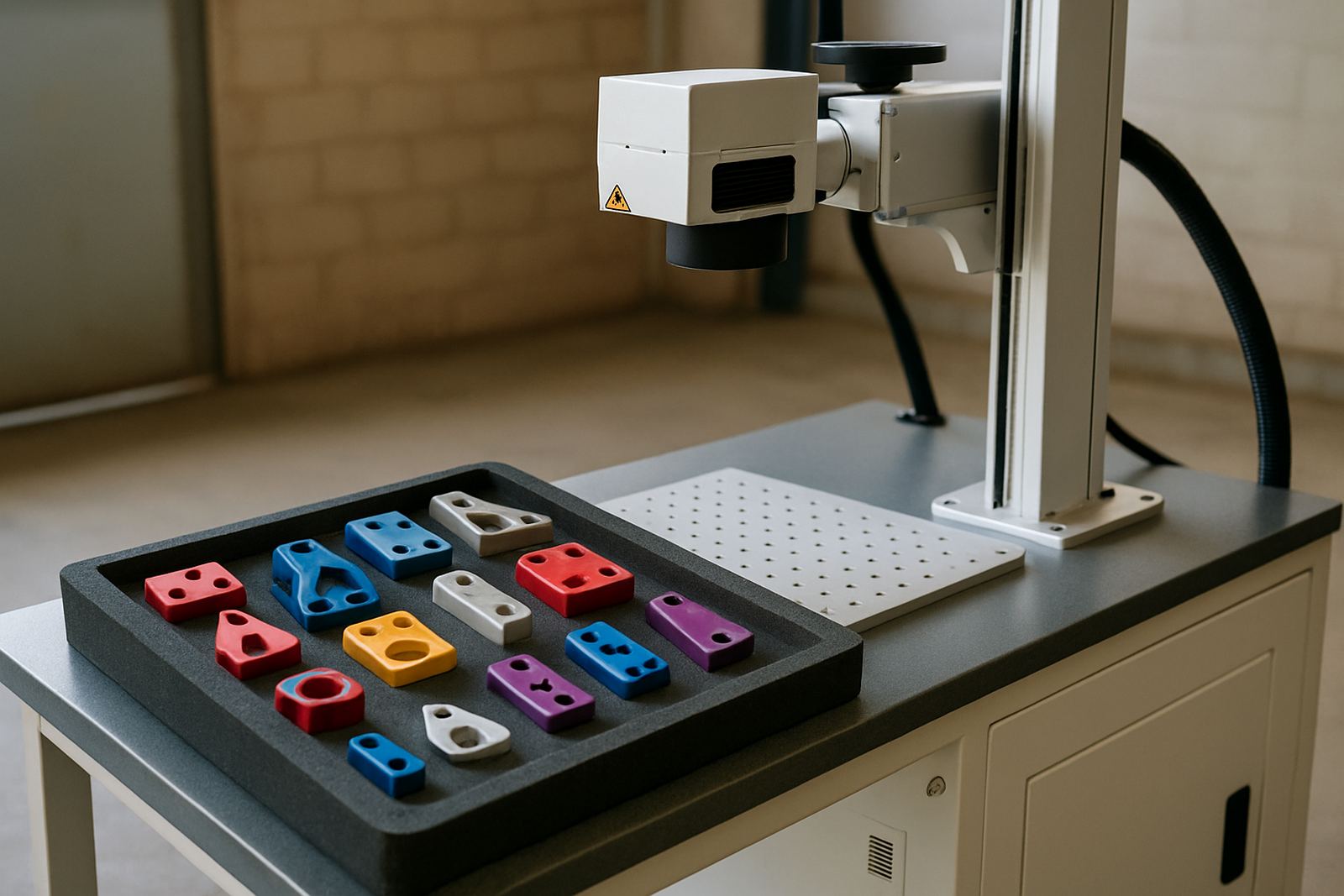
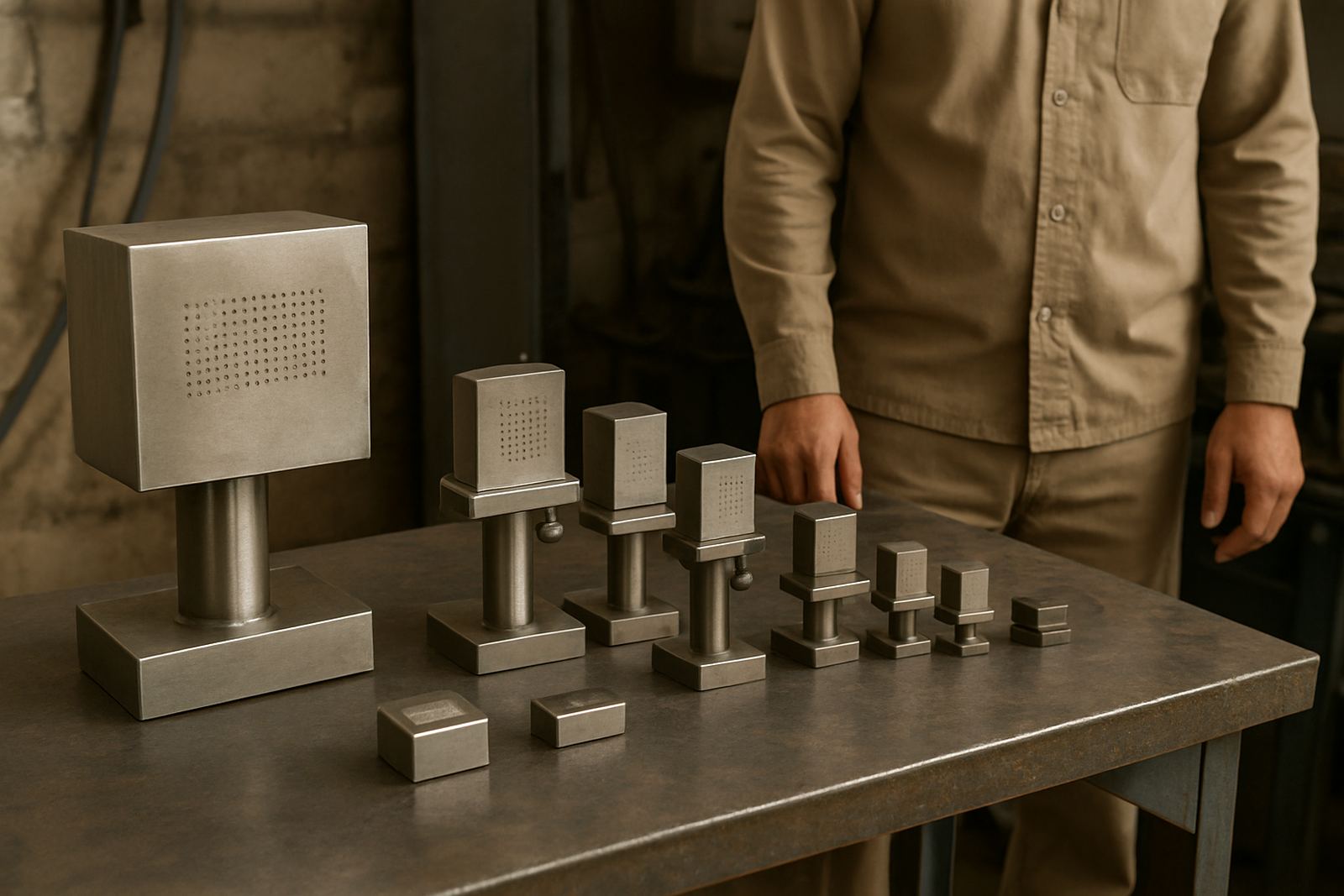
Recent marking work shows real applications, not just machine specs. Some jobs focus on fine text on jewellery, others on serial numbers, logos, batch codes or part traceability on steel, stainless steel, aluminium and coated metals. It shows how fibre marking performs across small workshop runs and higher volume production.
When you are choosing a setup, look at the material, the size of the mark, whether the finish must stay cosmetic, and how fast the job needs to run. A neat mark on a pendant is a different task to deep, readable coding on a bracket that gets handled in a factory every day.
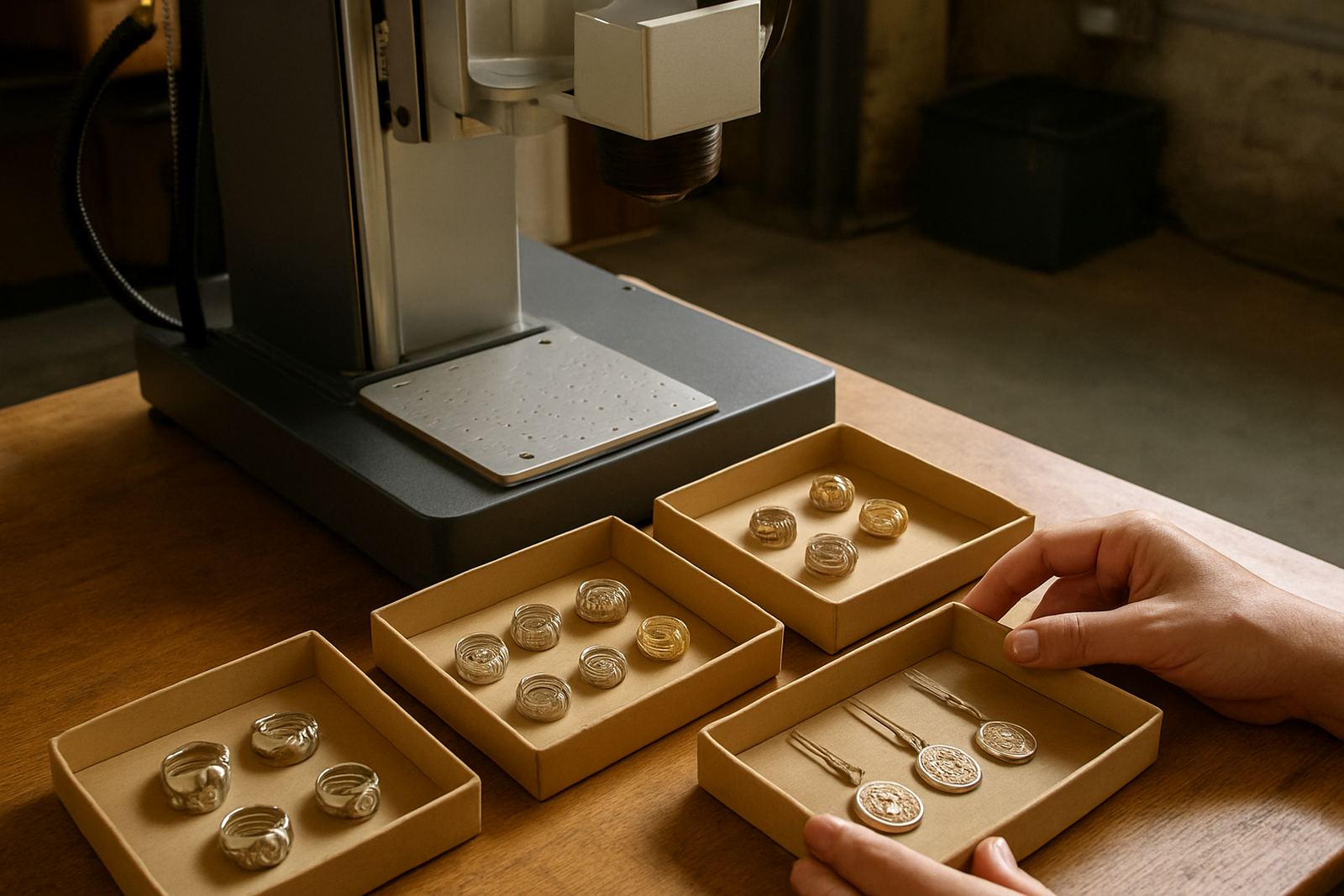
Jobs for Jewellery, Gifts and Small Detailed Work
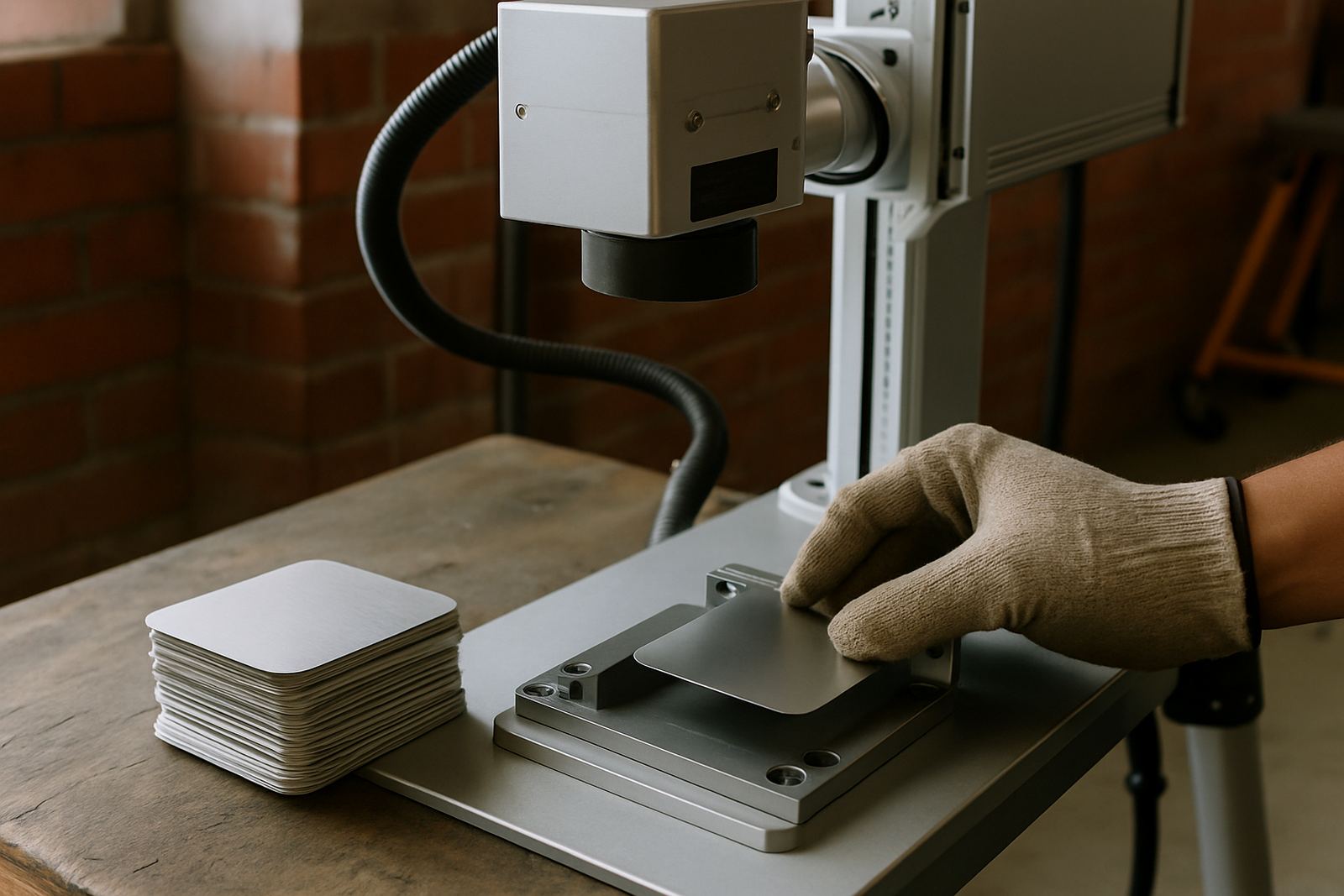
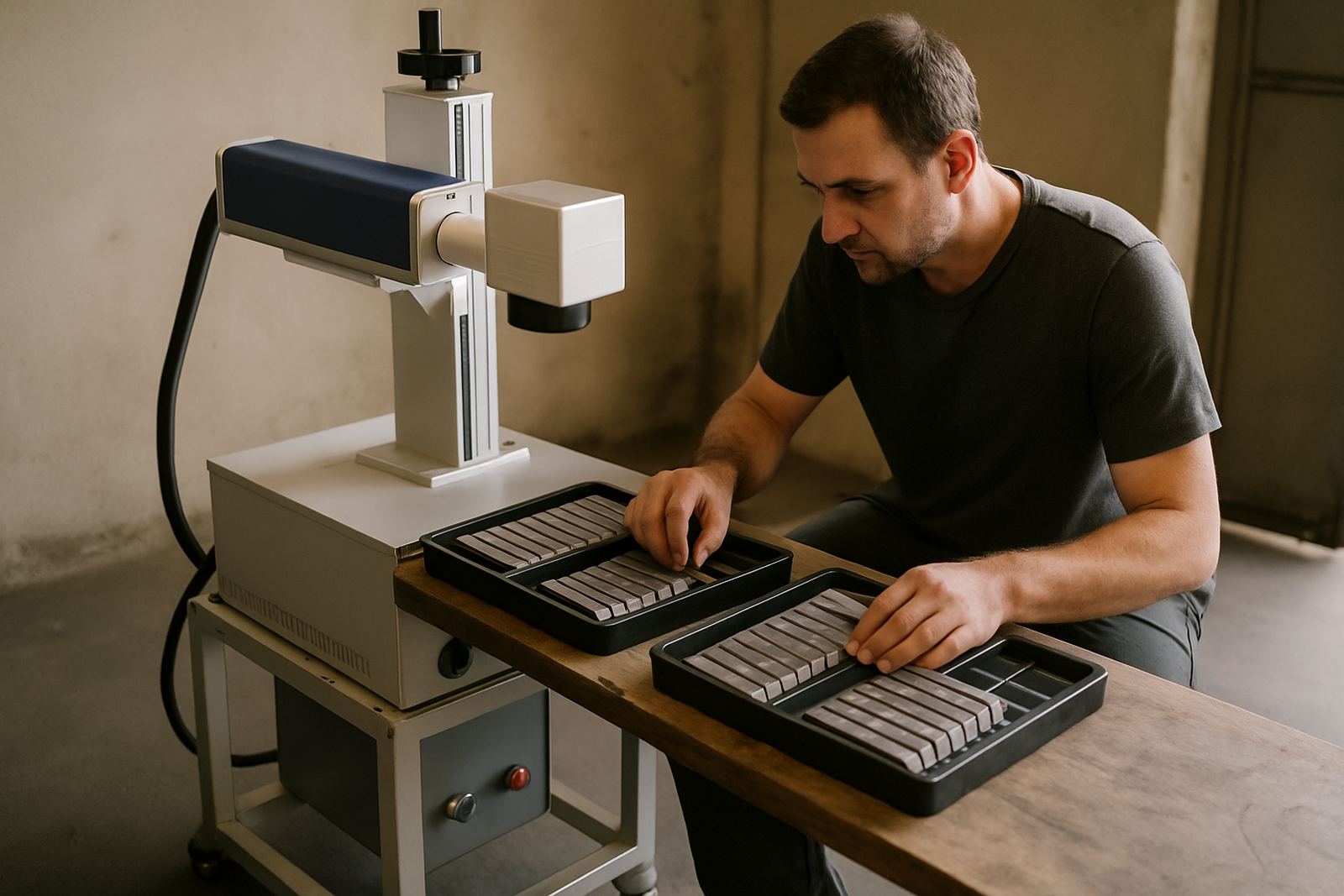
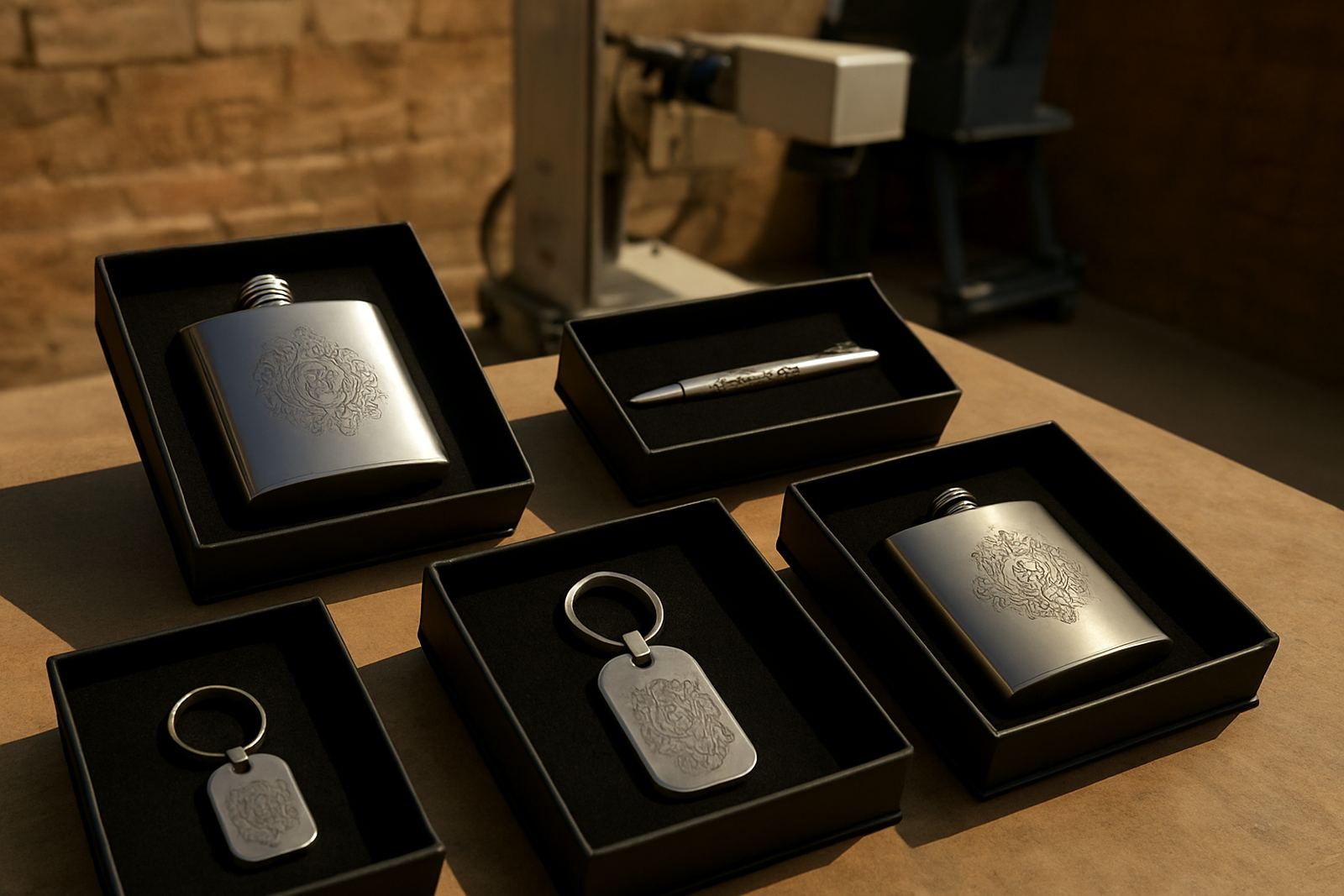
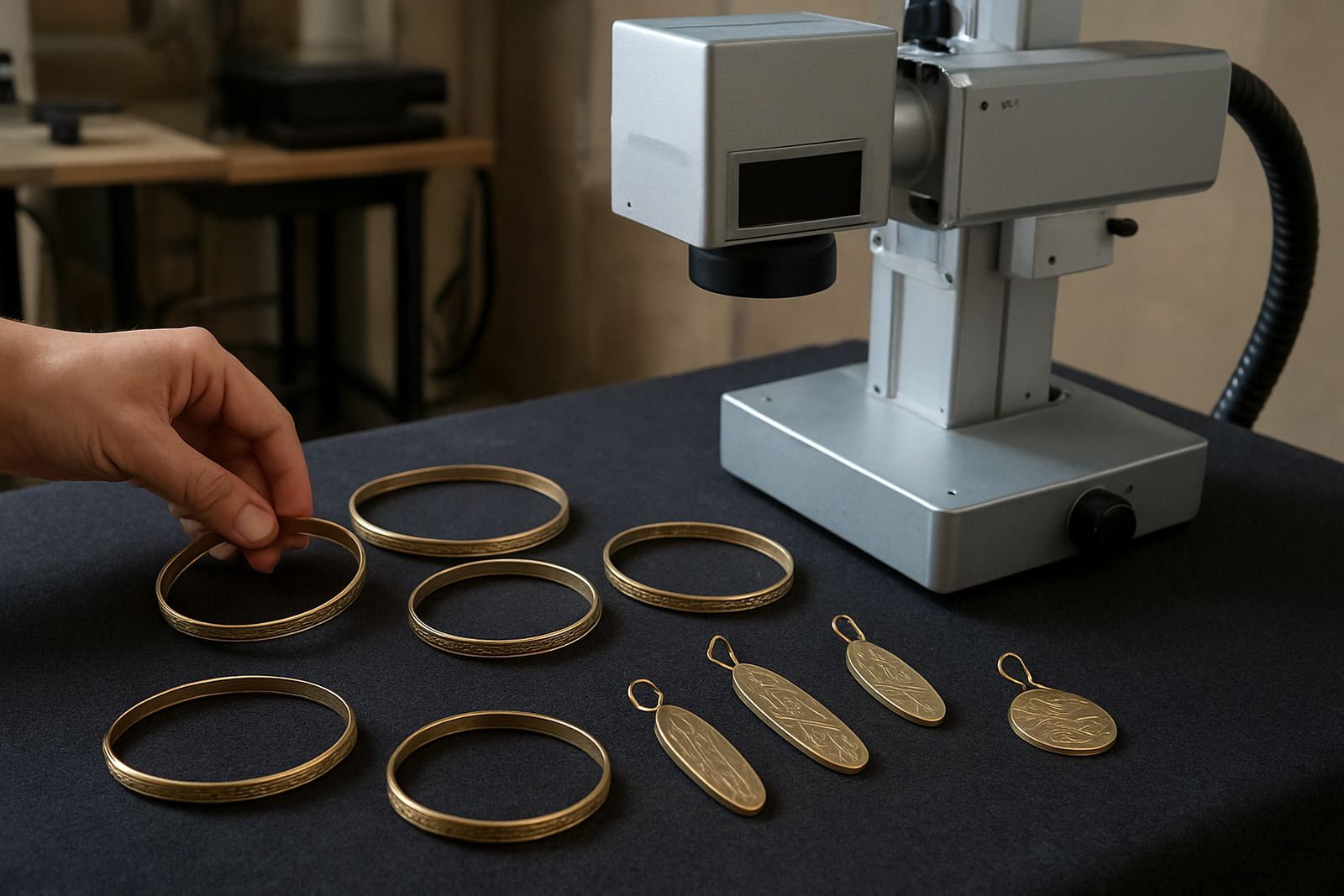
Fine marking jobs often need a steady beam, correct focus and a tidy fixture so the item does not shift during the run. For jewellery, that usually means names, dates, initials, patterns or small logos on rings, pendants, bangles and tags. These jobs are common for jewellers in Gauteng, Cape Town and Durban who need clean output on small surfaces without rough edges.
Typical examples include:
- Initials and dates on rings and pendants
- Serial numbers on watch parts and fittings
- Brand marks on sterling silver, gold plated items and stainless steel tags
- Small batch runs for custom gift pieces
Because these parts are small, the setup and focus matter just as much as the mark itself. A fixture that holds the item square can save a lot of rework later.
Industrial Part Marking for Traceability
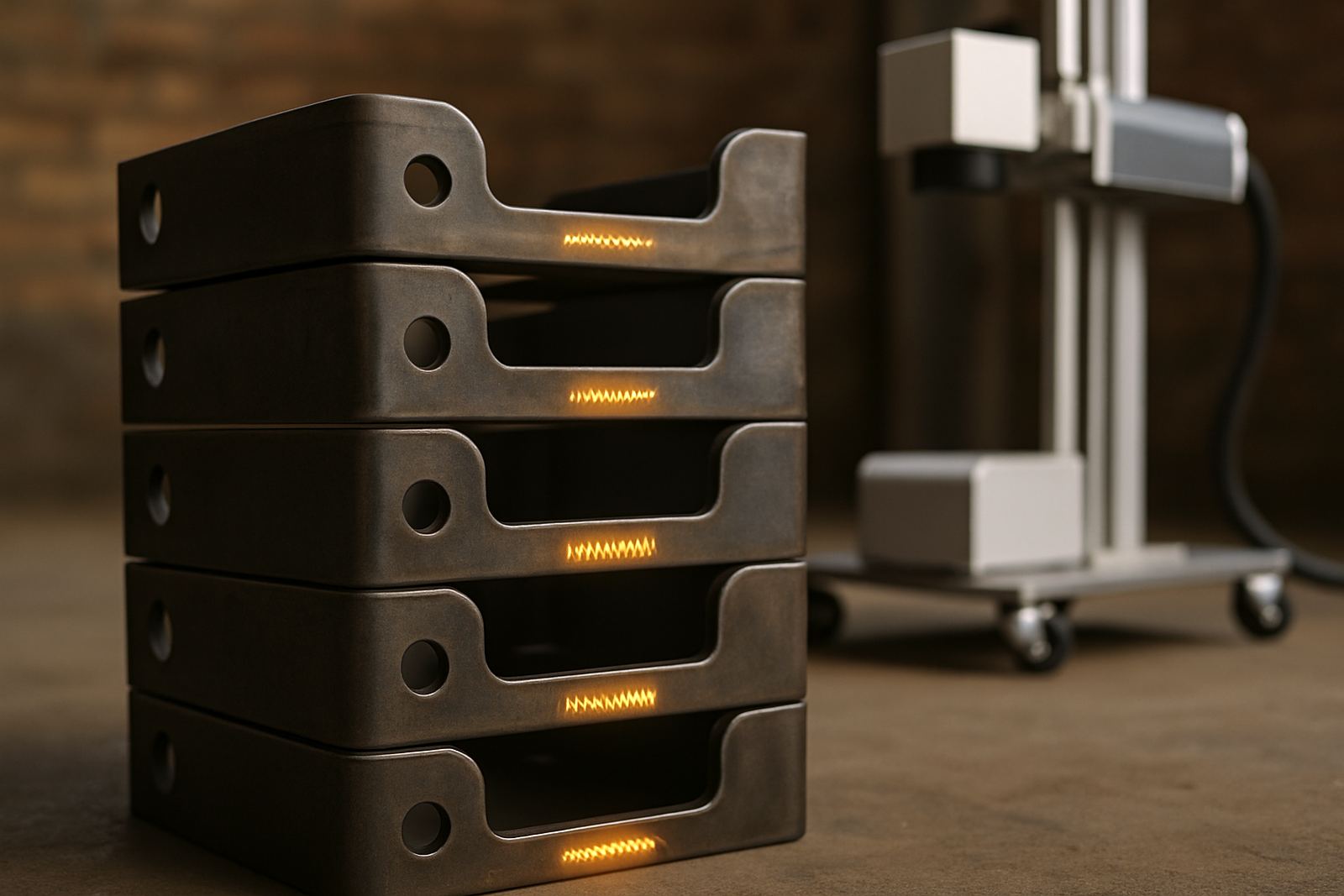
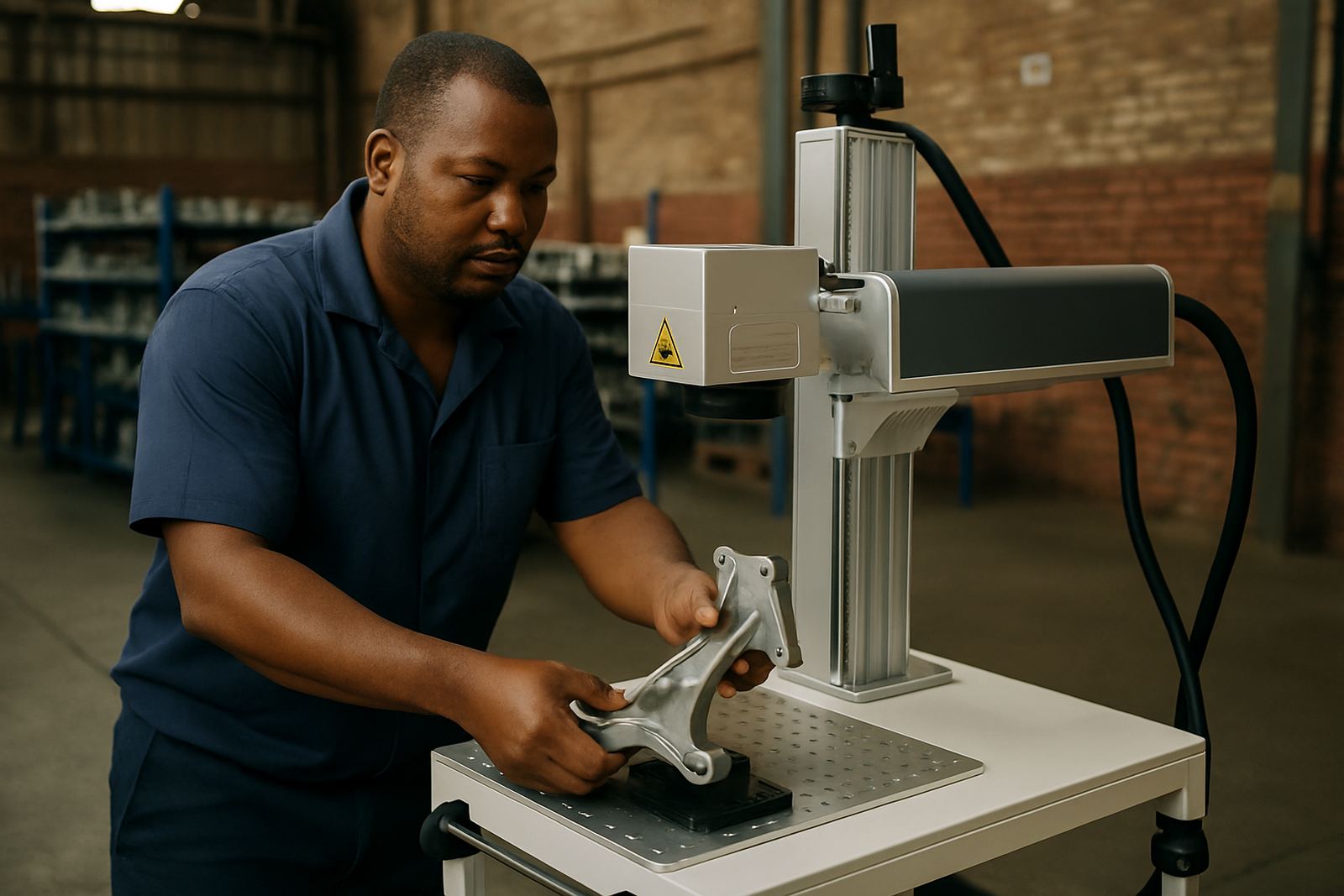
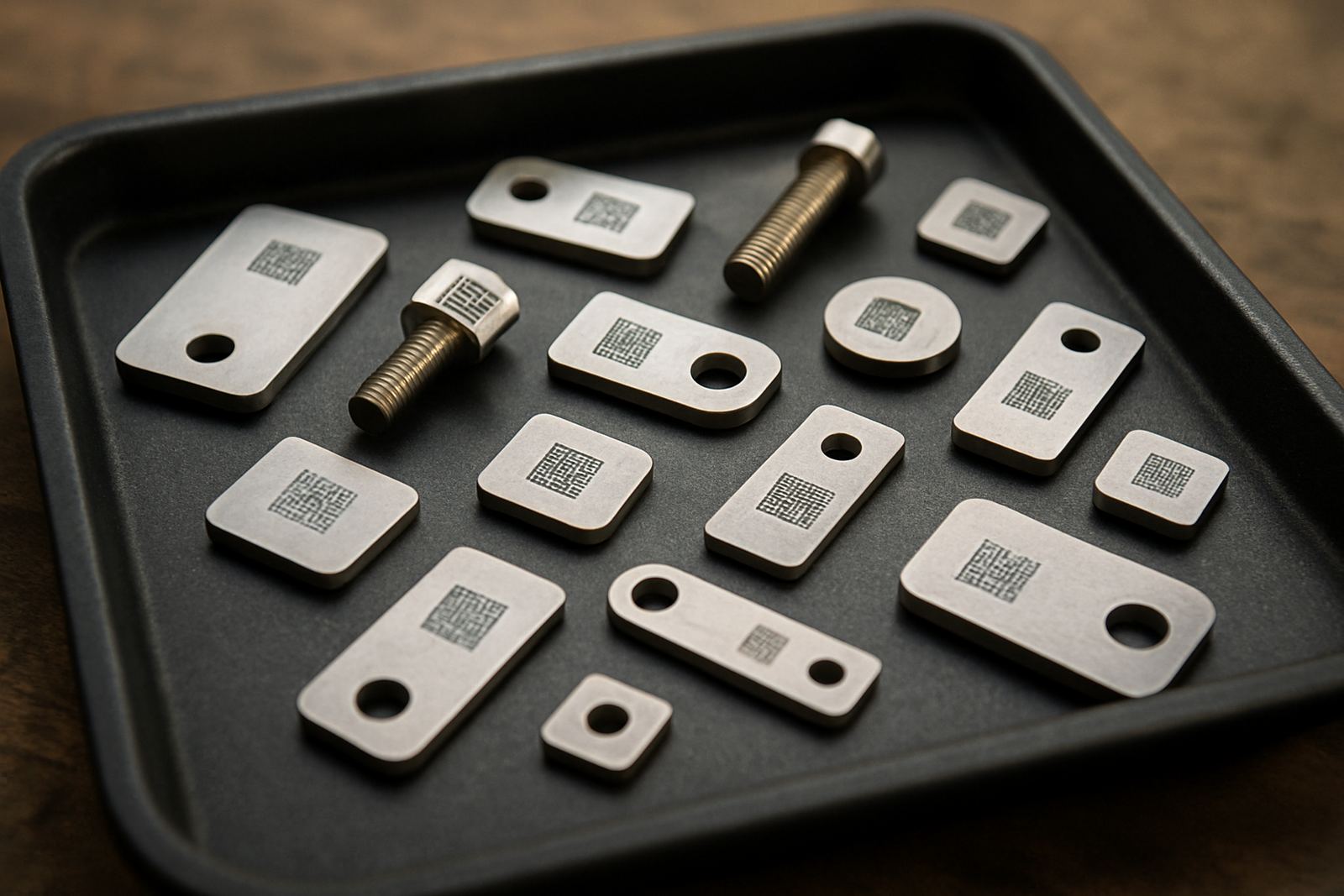
Many recent jobs involve traceability marks for manufacturers, subcontractors and maintenance teams. That can include part numbers, QR codes, data matrix codes and technical labels on machine components. When a customer needs long term legibility, the goal is not only a sharp mark on day one but a mark that still reads after handling, cleaning and wear.
We see a lot of work on stainless steel, mild steel, anodised aluminium and coated parts. In these cases, the marking method may be set for speed, contrast or depth depending on where the part will go. If the component is used outdoors or near coastal humidity, the mark choice should suit the environment too.
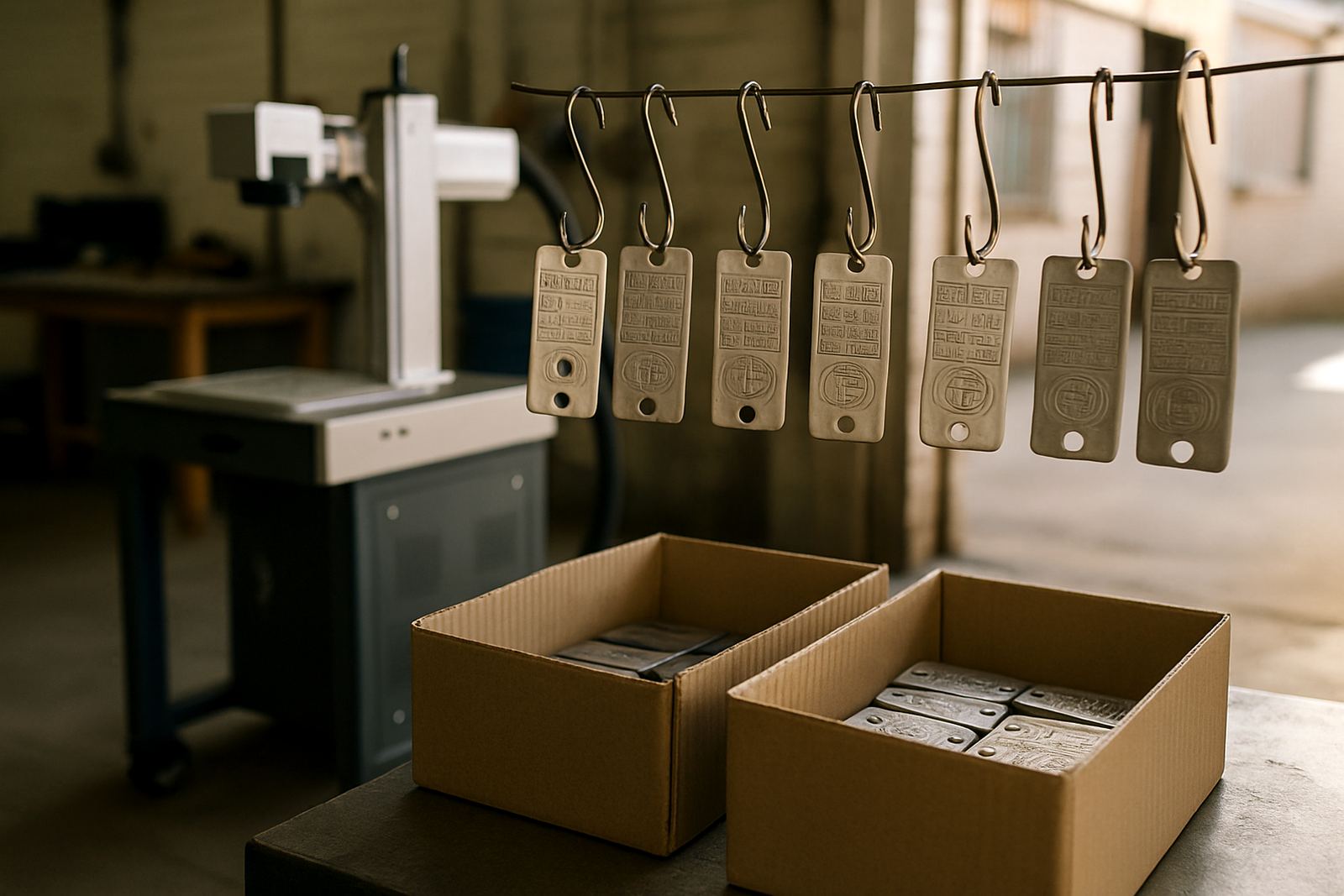
- Serialised plates and labels
- Compliance and identification marks
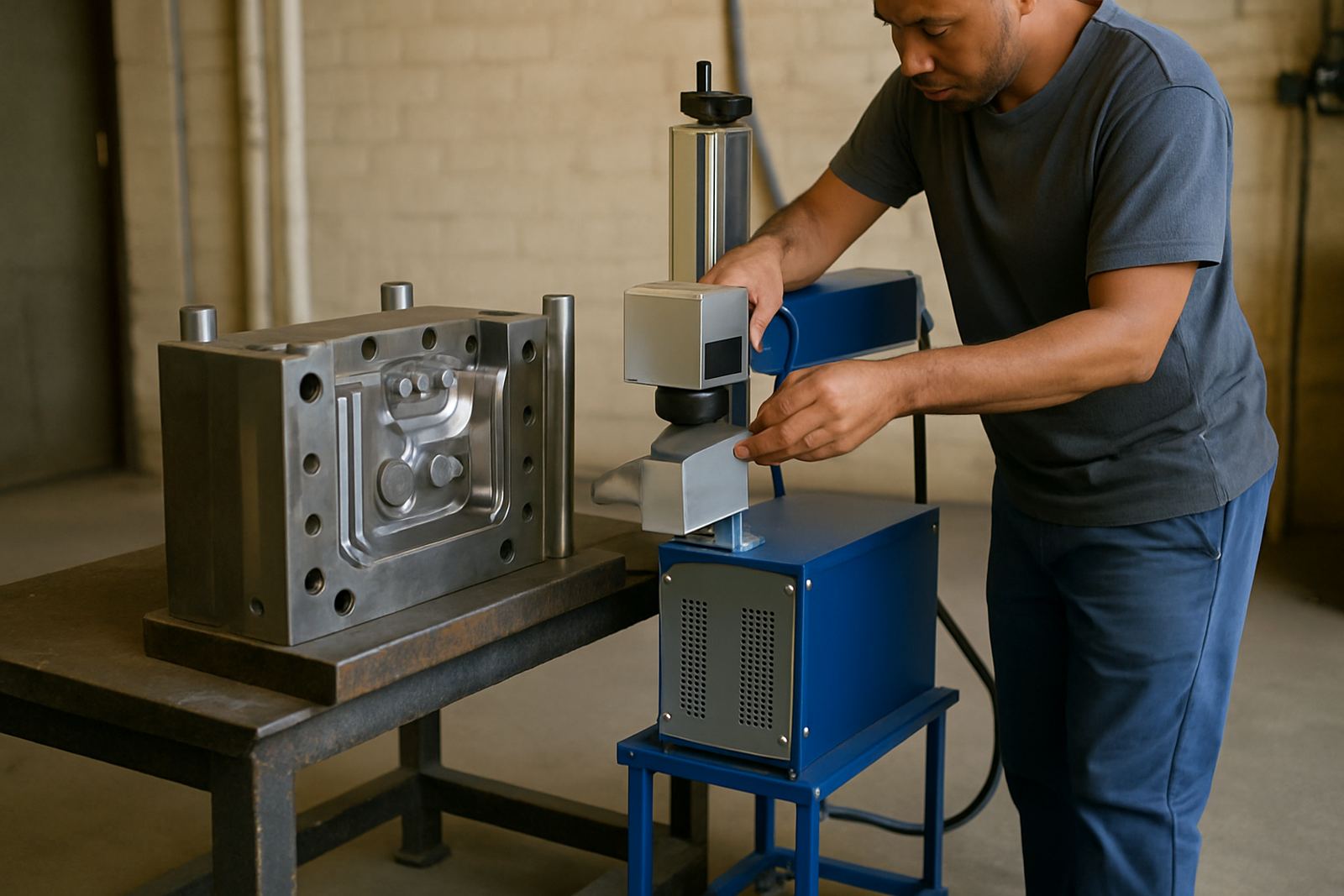
- Tooling and fixture numbers
- Batch coding for production control
Marking on Steel, Aluminium and Mixed Metals
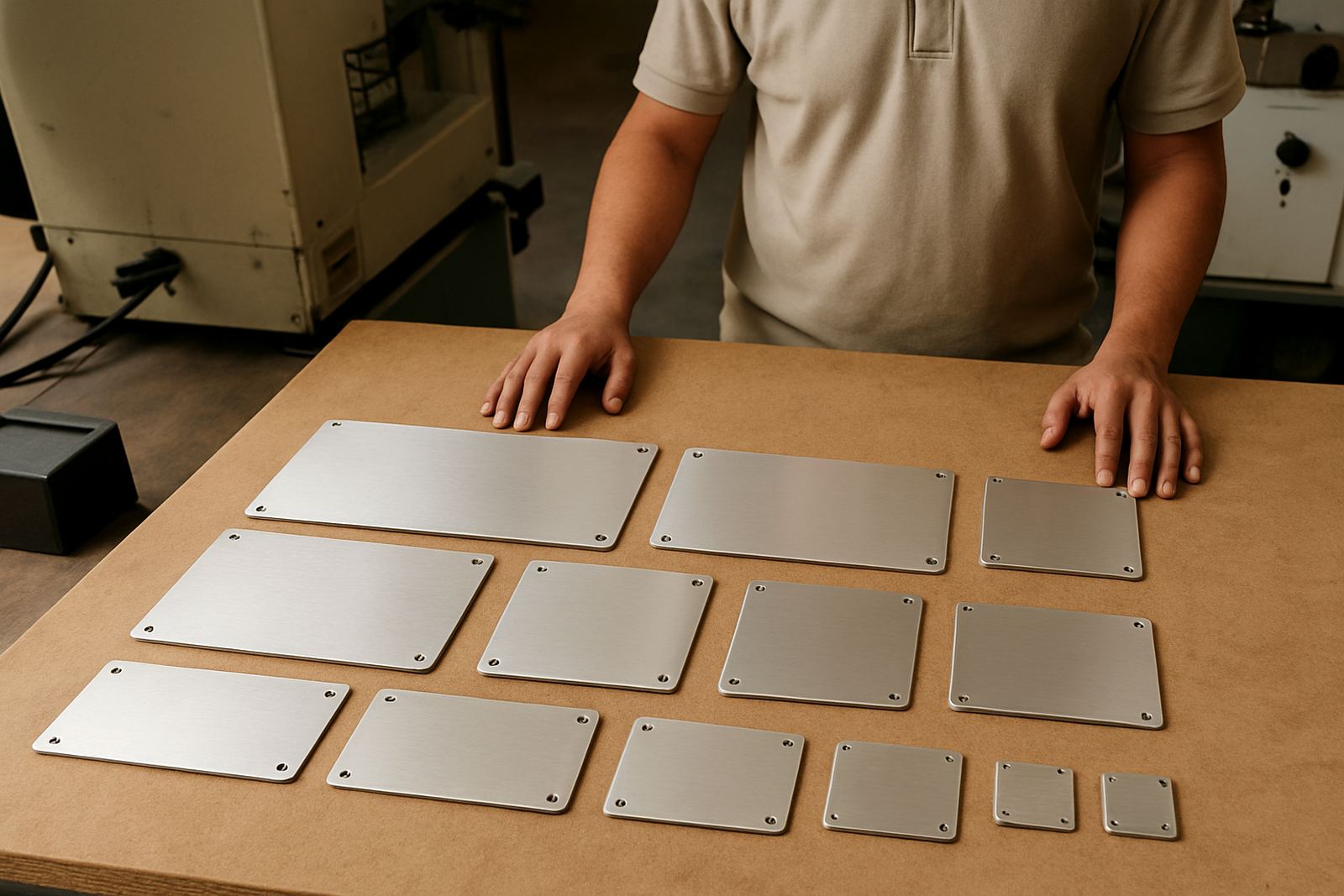
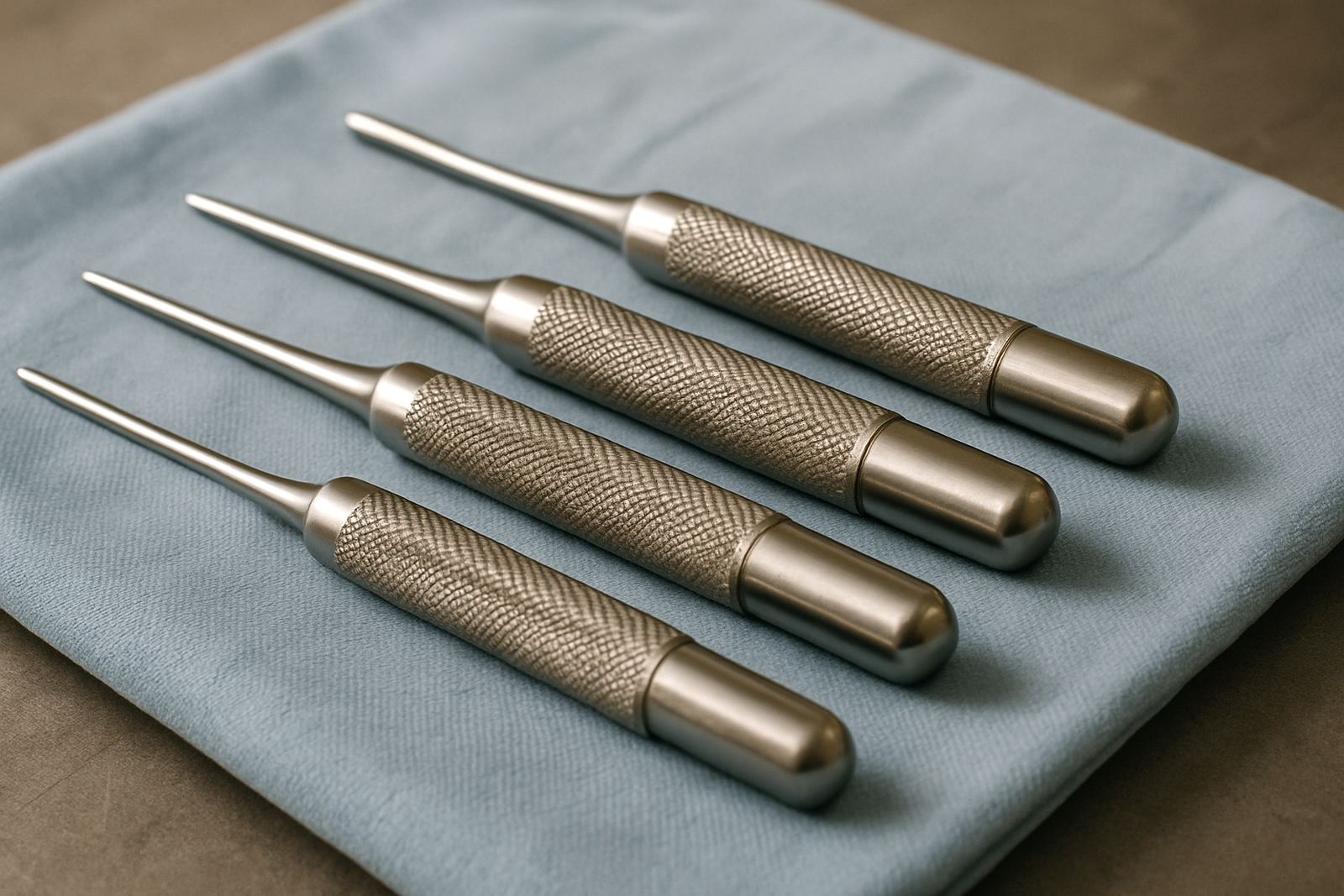
Different metals respond differently to fibre marking, so a good result starts with the right test piece and the right settings. Stainless steel usually gives a crisp result, while aluminium may need a different approach depending on whether it is bare, anodised or coated. Brass, copper and mixed alloy items can also need careful adjustment to avoid overburn or weak contrast.
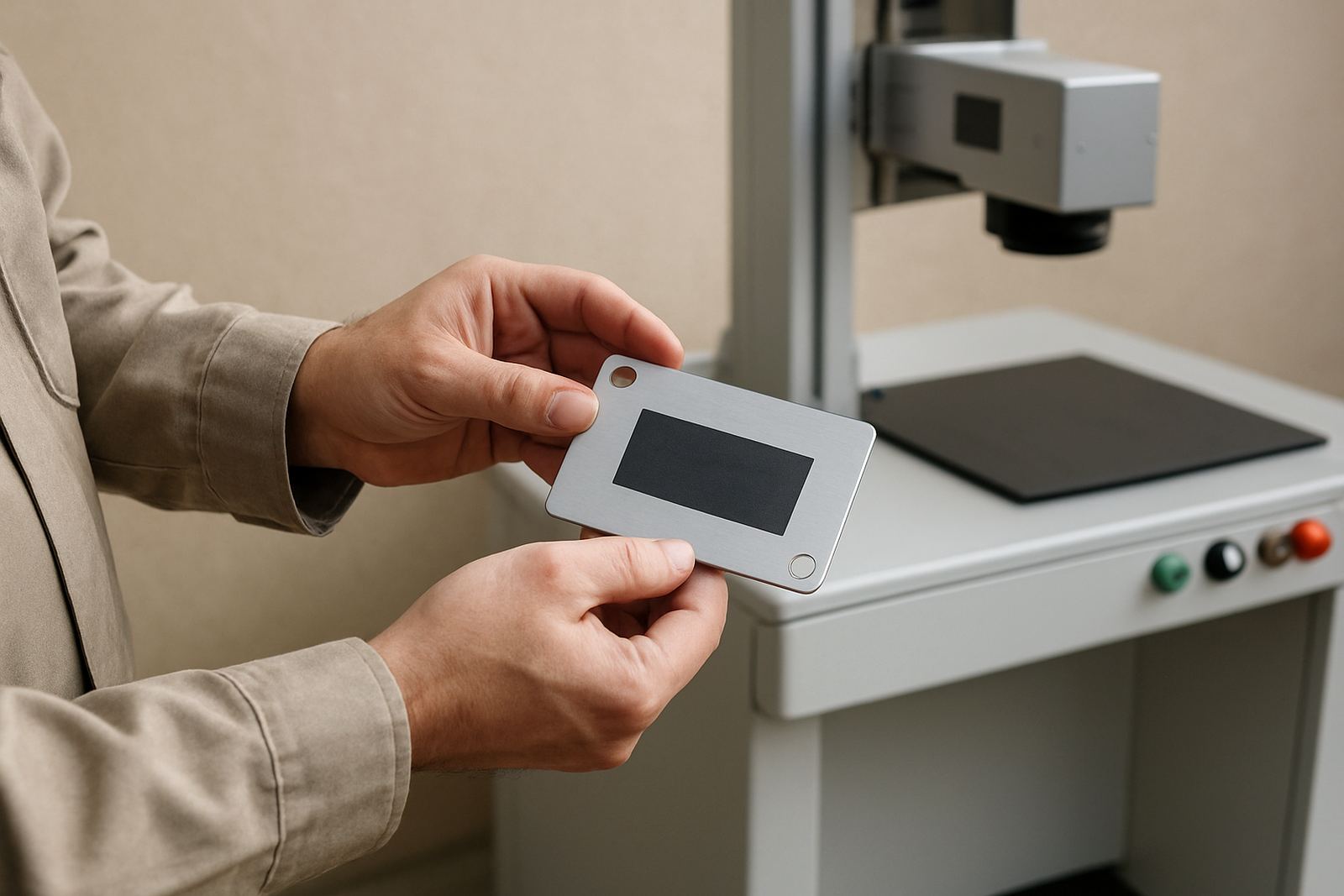
Recent jobs have included nameplates, machine panels, brackets, accessory parts and repair items. Some pieces needed a light surface mark only, while others needed a deeper mark for handling or repeated use. On busy production floors, that difference can affect cycle time and the number of parts handled per shift.
In most cases, a sample mark is the best way to confirm the finish before production starts. It helps avoid material waste and keeps the job moving.
How To Choose the Right Example Page
Different jobs involve different materials, part sizes and marking results. Comparing the finished mark and the type of job setup involved helps narrow down what suits the application. If you are planning your own application, the most useful examples are the ones that match your material, your quantity and your production pace.
- Choose jewellery examples if you need very fine detail
- Choose industrial examples if traceability or durability matters most
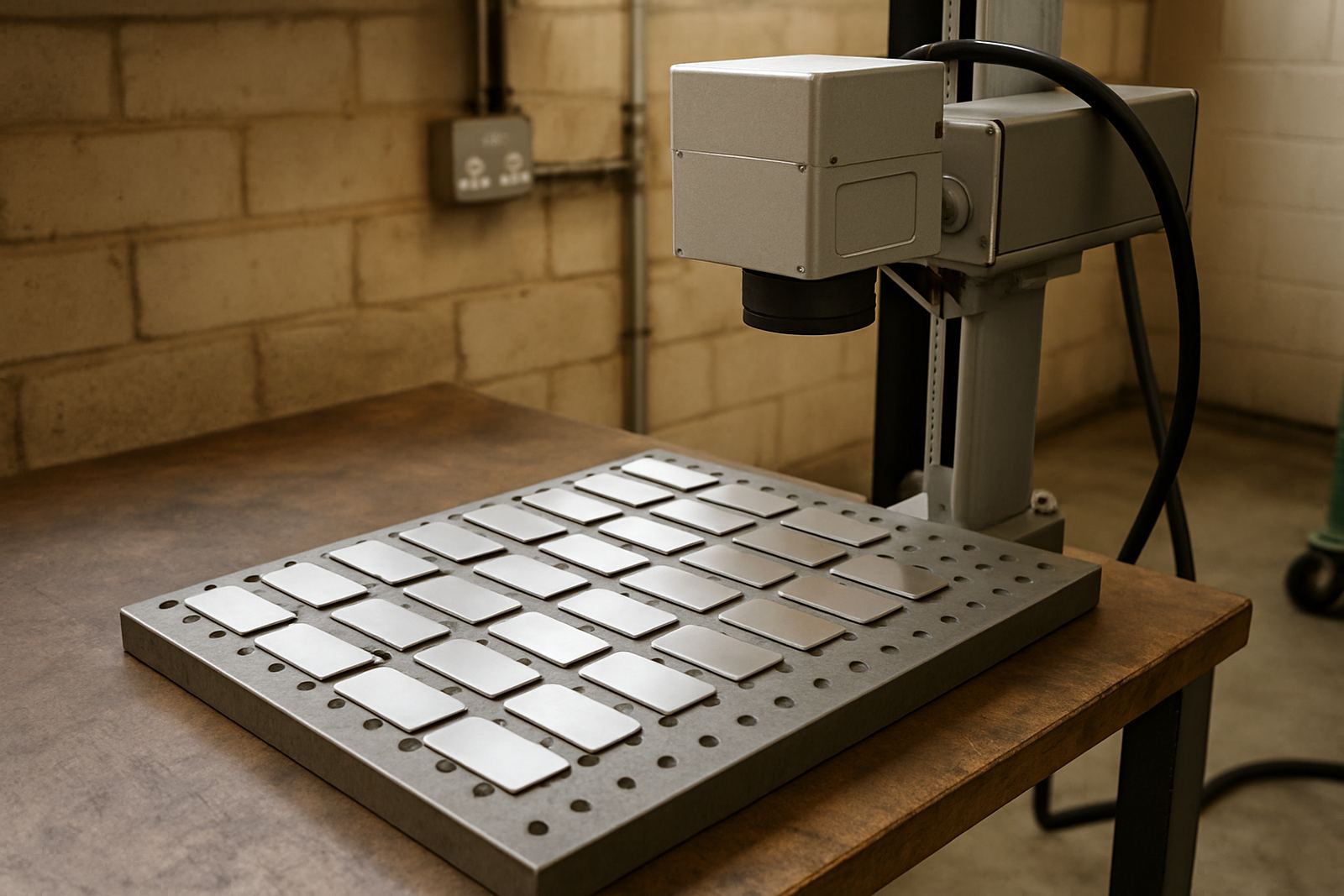
- Choose high volume examples if you need faster cycle times
- Choose sample and test work if you are still deciding on the best finish
If your parts are handled on site in Germiston, Boksburg, Alberton or further afield, the right fixture and software setup can make a proper difference. It keeps the process repeatable and makes training easier for the operator.
Support For New Jobs and Repeat Production
Our team supports machine installation, operator training, software setup, focus calibration, preventative maintenance and breakdown repairs from Wadeville, Germiston and across South Africa. That matters when a customer starts with one sample run and later moves into regular production. The setup must be practical, easy to maintain and ready for the next order.
We also assist with sample marking, fixture design, process optimisation and site relocation. If a job is running in a workshop with limited space or during load-shedding, the workflow still needs to be manageable. Good planning reduces downtime and helps keep the work steady, even when the day is not ideal.
- On site installs and training nationwide
- Remote assistance for setup and job changes
- Spare parts and technical support
- Support for workshops, factories and jewellery studios