
What the Edenvale medical brief needed
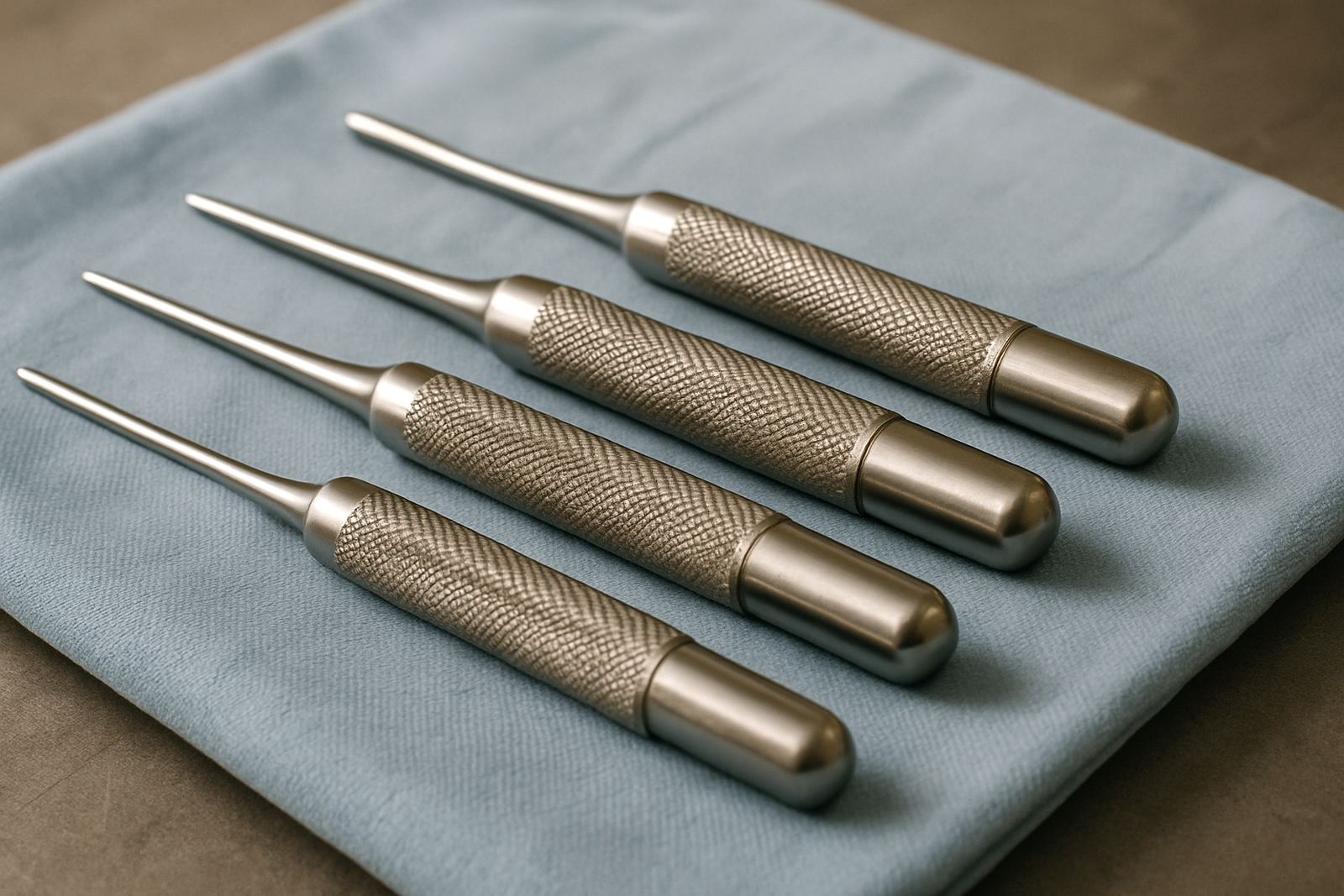
The client was a precision supplier in Edenvale working with stainless steel medical items that had to carry small, readable marks for identification and traceability. For the Edenvale medical job, the marking requirement sounded simple, but the tolerance for error was very small.: marks had to stay sharp on curved and flat surfaces, not weaken the part, and still read properly after cleaning cycles and day to day handling. They also needed a process that a small production team could run without stopping every few parts to adjust settings.
Because the parts were for medical use, the marking had to be neat and consistent. No burn marks, no fuzzy edges and no marks that disappeared when the material finish changed. The items varied in size, with the smallest parts needing fine detail and the larger pieces requiring fast throughput. The client wanted a supplier that could handle setup, training and follow-up support from Gauteng, with help available if a machine ever needed attention after load-shedding or a power event.
- Material: stainless steel medical components
- Requirement: clear permanent identification marks
- Surface types: flat and slightly curved items
- Priority: legibility, repeatability and low scrap
Constraints on the floor in Edenvale
The main challenge was balance. The mark had to be deep enough to last, but light enough not to distort thin sections or leave unwanted heat effects. The client also worked in a busy production area, so the machine footprint had to fit a practical layout and allow easy loading and unloading. In a medical environment, cleanliness matters too, so the marking station needed to stay tidy and simple to wipe down at the end of a shift.
There was also the normal South African reality of unstable power. The team needed a setup that could recover cleanly after interruptions and keep the software settings intact. We planned for stable operation, checked the electrical requirements and made sure the users knew what to do if a job was interrupted. Their operators were not looking for a complicated system, just something that could be trusted every week without drama.
- Need for fine detail on small parts
- Consistent marking depth across batches
- Easy cleaning and practical access around the unit
- Recovery after outages and load-shedding interruptions
What we supplied and how the system was commissioned
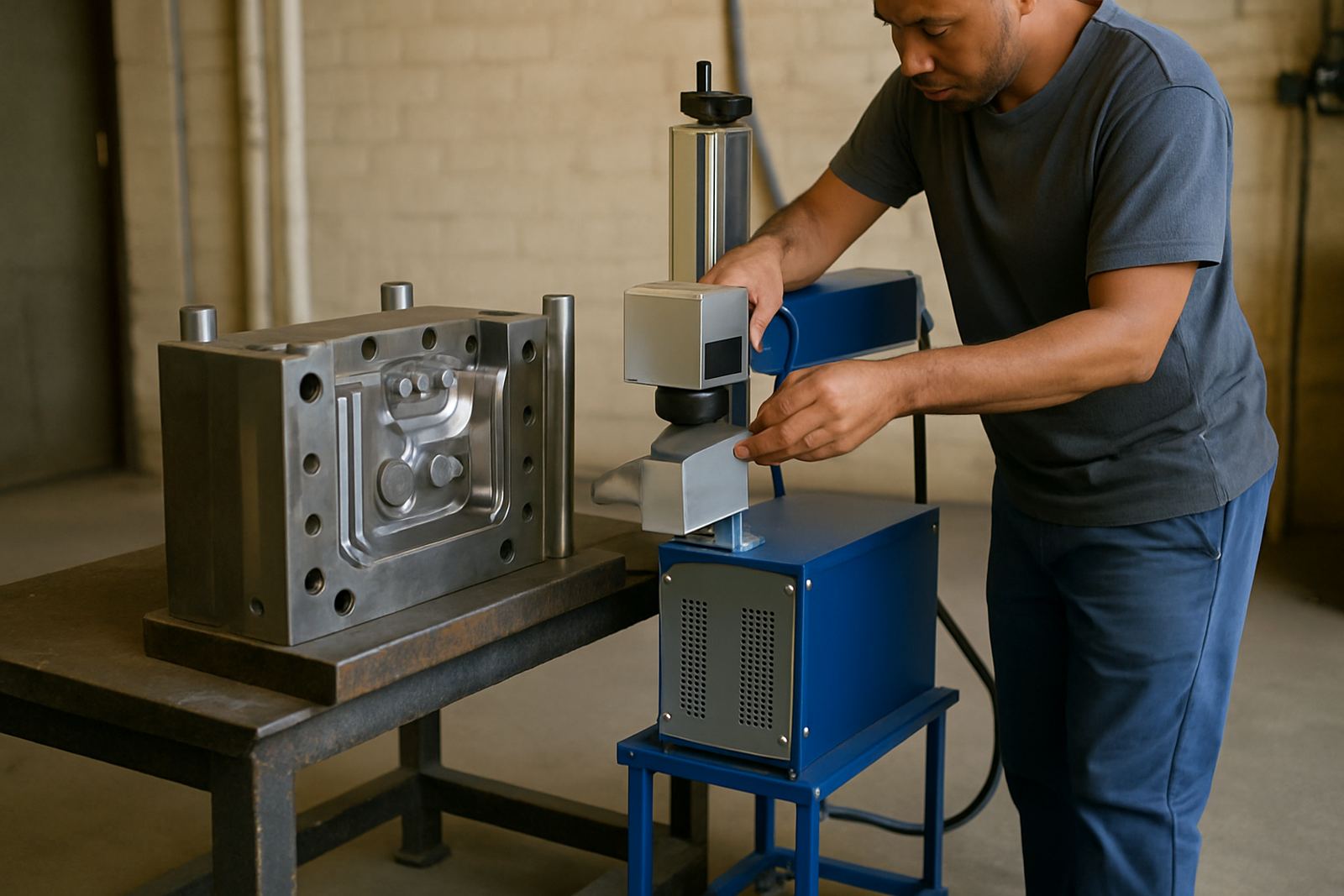
We supplied a fibre laser marking machine suited to stainless steel, with a working area sized for the medical components being marked. The setup included fixture planning, software configuration, sample marking and on-site operator training. We tested several mark styles to get the best mix of contrast, speed and surface finish. For this job we used a fine marking strategy with controlled power settings and a focused beam so the letters stayed crisp on the steel without overburning the surface.
The machine was installed and commissioned in one practical visit, then we spent time with the team on real samples. They needed a repeatable workflow, so we built a simple job library with settings for different part types. That meant less trial and error on the line. The process was straightforward enough for daily use, but detailed enough for traceability requirements. The team in Edenvale could now load a part, select the right file and produce a clean mark within a short cycle time, without needing constant technical input.
- Fibre laser marking machine for stainless steel
- Fine-detail marking on medical instruments and components
- Software setup with job presets for repeat use
- Fixture guidance for stable loading and alignment
Training, calibration and go-live in three weeks
The project moved from first sample marking to full handover over a three-week period. Week one covered the brief, part review and sample tests. Week two focused on installation, machine alignment and software setup. Week three was training, calibration checks and live production support. That schedule gave the client enough time to review marks against their own quality rules before starting regular use.
We also checked focus, marking position and repeatability so the same result could be achieved from one batch to the next. The operators were shown how to spot a dirty lens, when to stop and inspect the fixture, and how to keep mark quality stable through a shift. A medical job can look easy until you have to repeat it 200 times with the same result. That is where a clean setup pays off.
- Week 1: samples and mark approval
- Week 2: installation and software setup
- Week 3: training, calibration and handover
- Outcome: production-ready process with fewer setup errors
Results that suited the medical workflow
After go-live, the client had clear legible marks that held up well on stainless steel and stayed consistent from item to item. The finished marks improved traceability and made it easier for the team to manage part identification through the rest of the process. Because the job was set up properly from the start, there was less scrap and less time lost to rework. The operators were able to keep the line moving, and the management team had a marking process that could be repeated with confidence.
They also appreciated that the machine fit the space without turning the work area into a cluttered corner. In a medical setting, that matters more than people sometimes expect. Clean handling, simple controls and reliable output all add up. The real result was not only a neat mark, but a process that felt under control. That saves time every day, not just on the first run.
- Improved legibility on small stainless steel parts
- Consistent marking across repeated batches
- Reduced rework and setup delays
- Cleaner, more controlled marking station
What we would keep in place for the next medical marking job
If we were doing the same type of job again in Edenvale, we would still start with sample marking before final handover. That step saves trouble later because medical parts tend to have stricter quality expectations than general workshop work. We would also keep the fixture design simple and use preset files for the most common part numbers, sizes and mark layouts. That makes it easier for operators to stay accurate even on a busy day.
For future support, we would recommend a maintenance plan with routine focus checks, lens cleaning and periodic sample verification. In our experience, small checks done on time stop bigger problems from building up. With medical work, consistency is everything and the machine should feel like a tool, not a gamble. That was the aim here, and it is still the right approach for any similar job in Gauteng or anywhere else in South Africa.
- Start with sample approval before production handover
- Use simple fixtures for repeatable loading
- Keep job presets for common mark types
- Schedule routine calibration and cleaning checks
Key facts
| Project location | Edenvale, Gauteng |
|---|---|
| Client type | Precision medical supplier |
| Material marked | Stainless steel medical items |
| Machine type | Fibre laser marking system |
| Timeline | 3 weeks from samples to handover |
| Services used | Installation, training, software setup, calibration and sample marking |