What The Centurion Team Needed Marked
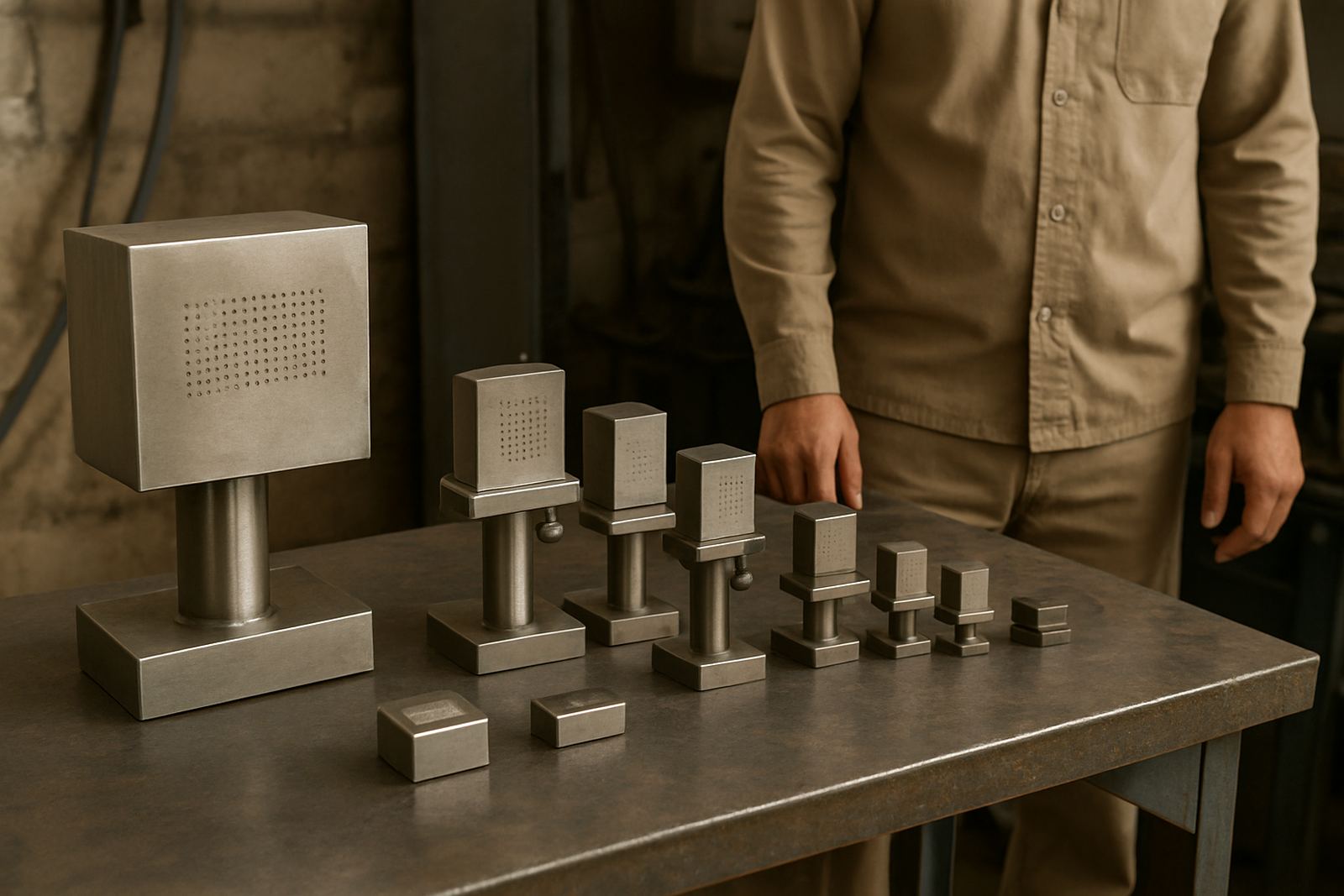
This project came from a tooling operation in Centurion that was managing a wide range of reusable components, inserts and setup parts. The team wanted each item clearly marked so maintenance staff could track service history and production teams could confirm the correct part during changeovers.
The brief was practical rather than cosmetic. Marks had to stay legible on metal surfaces, survive workshop cleaning and not interfere with fitment or tolerances. The client also needed a repeatable method for marking small batches as well as ongoing additions, because the part list changes when new jobs come in.
We started by reviewing the part types, surface finishes and the sizes available for marking. Some pieces were flat, others had curved faces or limited open areas. The approach had to suit all of them without slowing the workshop down.
Site Limits At The Centurion Tooling Plant And Our Marking Plan
The main challenge was that the parts varied in size and finish, with some components already showing wear from daily handling. A few items had very little marking area, so the codes needed to be compact and still easy to read under workshop lighting. The client also wanted a method that would keep working if loadshedding interrupted normal production. That meant the marking process had to be straightforward to restart and simple for staff to follow.
We also had to keep the marking depth controlled. Too deep would create unnecessary risk on precision tooling, too light would fade in use. So we set the process for clear contrast on the metal surface while keeping the base material untouched in any critical area.
- Mixed part sizes, from small inserts to larger tooling bodies
- Limited flat space on several components
- Need for readable marks after cleaning and handling
- Process that could be repeated without rework
What We Supplied And How The Marking Was Set Up
We supplied fibre laser marking for the tooling components, with settings matched to the metal type and the required mark size. The work included sample marking first so the client could check position, legibility and layout before the full batch was done. Where needed, we adjusted the focus and marking speed to get a clean finish without burn marks or rough edges.
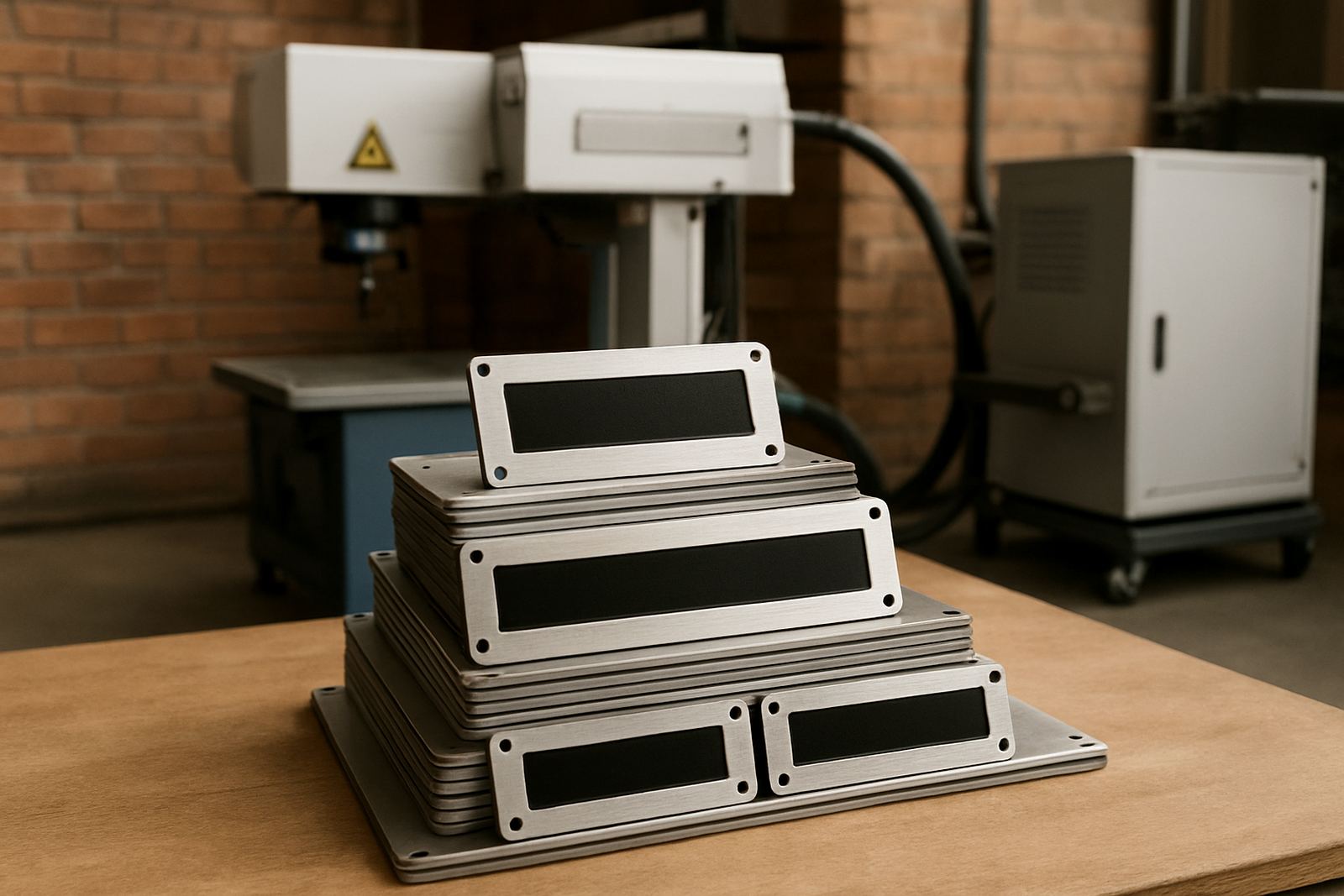
For the project we marked part numbers, setup references and maintenance IDs in a format that the workshop could use immediately. The layout was kept consistent from one component to the next, which makes sorting easier when parts come back from service. In some cases we added smaller secondary marks for internal reference, so teams could link the physical part to their records without confusion.
- Fibre laser marking for metal tooling parts
- Sample marking to confirm position and readability
- Part numbers, setup codes and maintenance IDs
- Repeatable marking layout for future batches
Installation, Training And Handover
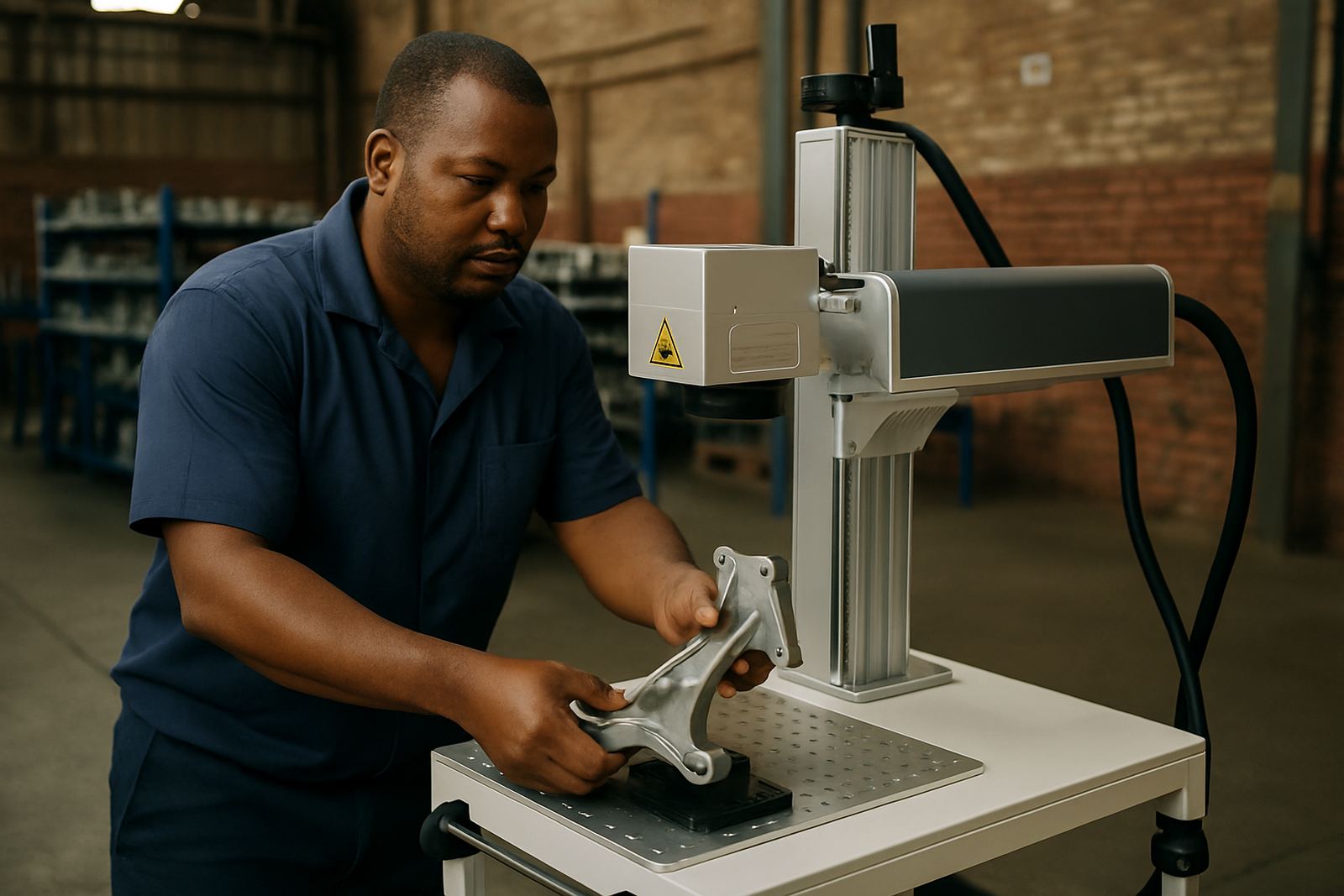
The job ran over two weeks from first sample to final handover. During that time we handled machine installation support, software setup and operator training for the staff who would be using the system day to day. We kept the training practical, with real parts from the workshop so the team could see how the settings changed from one component type to another.
The handover focused on the basics that matter in a busy plant: correct part placement, consistent focus, safe handling and how to repeat a known marking job later without starting from scratch. We also covered simple maintenance checks so the machine could stay ready for regular use.
Because the client is in Centurion, turnaround on the setup was important. The workshop needed a system that fitted into existing production flow, not one that added extra steps. Once the team understood the process, they were able to mark new items with minimal assistance.
Results On The Shop Floor
After the marking was completed, the client had a cleaner way to separate parts for maintenance, production setup and reissue. Staff could identify components faster, which reduced mix-ups during busy changeovers. The workshop also gained a more professional, consistent part marking standard across the tooling range.
The marks remained clear on the metal surface and did not depend on stickers, paint or handwritten tags that wear off. That made the system better suited to a hard working environment where parts are handled, cleaned and moved between stations often.
- Faster identification of tooling components
- Better traceability for maintenance records
- Less confusion during production setup
- Durable marks that remain legible in daily use
What We Would Keep In Place On The Next Tooling Job
If we were doing this job again, we would take the same approach: start with samples, agree the mark layout early and set the machine for the exact metal surface before marking the full batch. That kept the process controlled and made it easier for the client to trust the result.
For tooling work like this, the best outcome comes from keeping the mark simple, placing it where staff can see it quickly, and making sure the code format stays consistent across all parts. That saves time later in maintenance and production, especially when the team is working under pressure or trying to recover after a power cut.
Centurion workshops often need practical systems that can be used by more than one operator. This job showed that fibre laser marking can give them that, with clear identification and a method that fits real shop floor conditions.
Key facts
| Project location | Centurion, Gauteng |
|---|---|
| Client type | Tooling manufacturer |
| Service delivered | Fibre laser marking for metal components |
| Timeline | 2 weeks |
| Marking content | Part numbers, setup codes and maintenance IDs |
| Outcome | Durable traceability for maintenance and production setup |