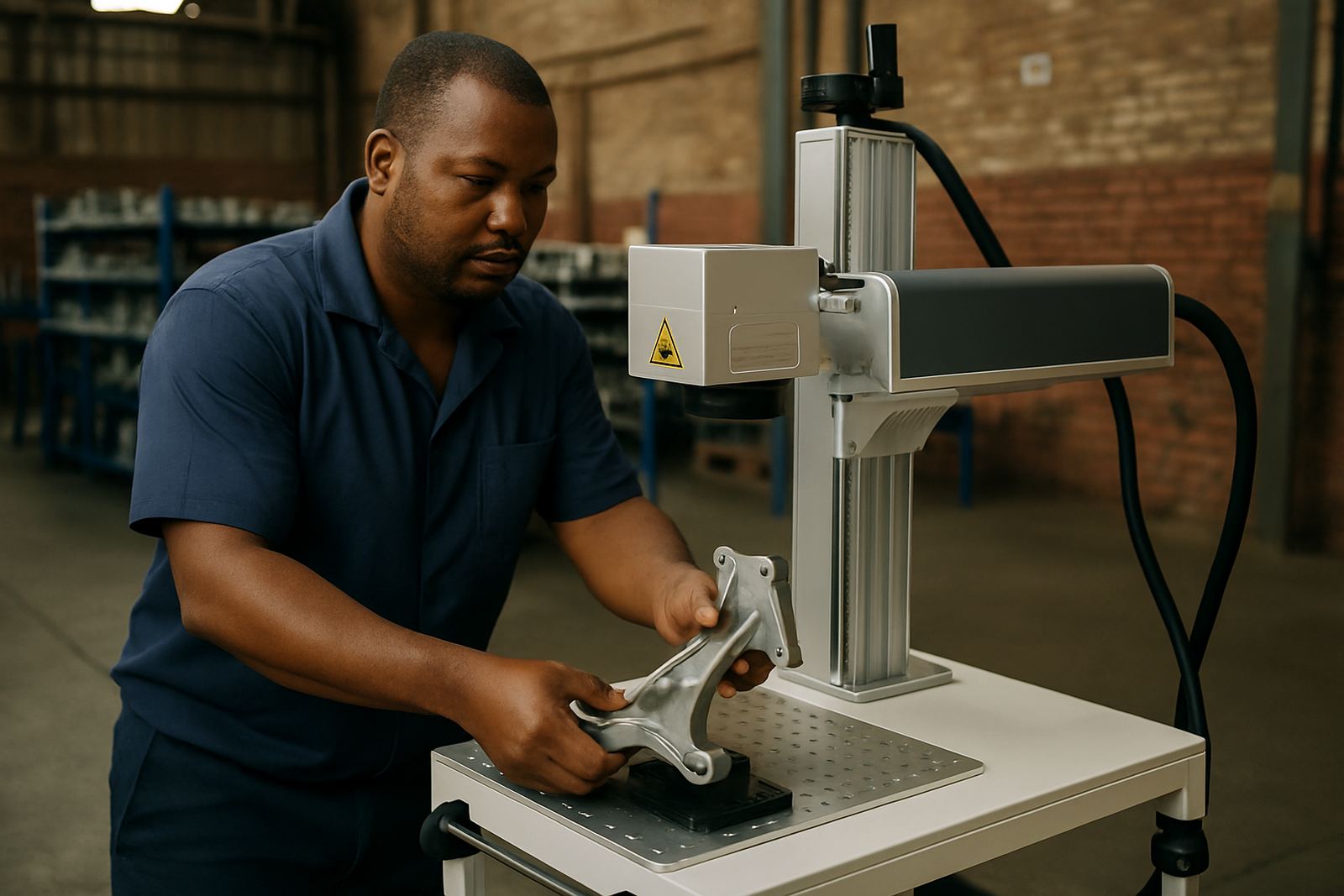
Automotive traceability in Springs
The job came from an automotive components plant in Springs that was supplying parts for production and quality control checks. Their marking needed to stay readable after handling, cleaning and transport, with each code linking back to batch records and inspection notes.
The team wanted marks that were sharp enough for fast scanning and plain visual checks, but also deep and permanent enough for metal parts that get oil, heat and vibration in normal use. They were working to a tight process window and could not afford rework or missed codes.
What the brief asked for
The client needed a marking setup that could handle small components, repeat the same code format every shift and keep up with their line pace without slowing inspection.
- Mark traceability codes on mixed metal parts
- Keep text, batch data and serial numbers clear
- Allow quick changeovers between part types
- Fit into an existing production bay with limited space
- Support operators with simple job setup and file handling
Because the plant ran on scheduled production windows, they wanted the system commissioned with as little disruption as possible. They also asked for practical training, not a long classroom session that took people off the floor for too long.
Constraints on the production floor
The main constraint was space. The marking point sat near inspection benches and component flow had to stay clear, so the machine footprint and fixture layout had to be compact. Dust, airborne oil mist and normal workshop wear were also part of the picture, so the setup had to stay clean and consistent over time.
Load-shedding was another factor. The client needed a solution that would recover properly after power interruptions and not lose job settings when the supply changed. We also had to make sure the marking process stayed stable on parts with different surface finishes and slightly varying heights.
- Small footprint for the production bay
- Stable marks on brushed and machined metal
- Power recovery after interruptions
- Simple operator access for part loading
- Clear visibility for inspection and scanning
What we supplied and installed
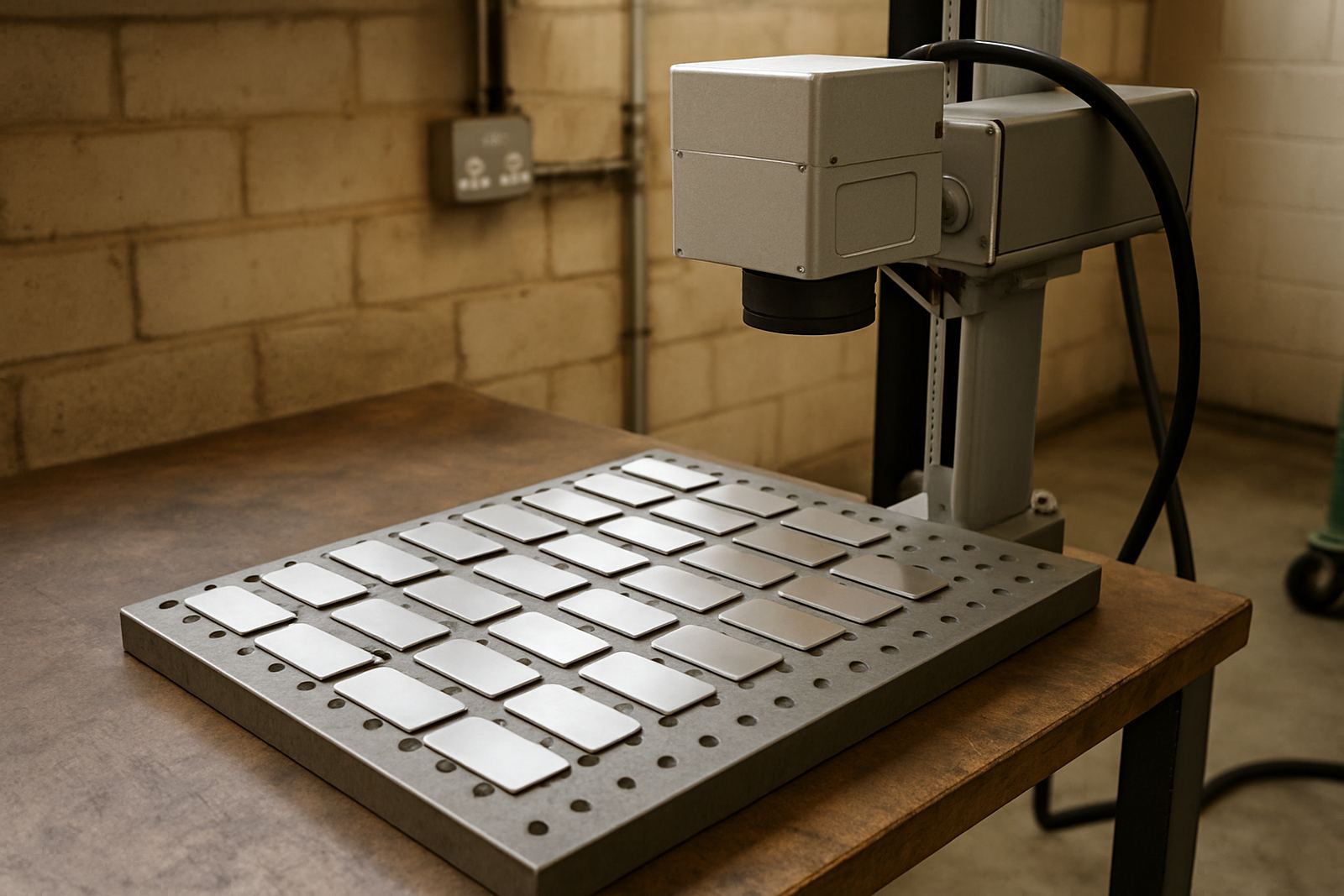
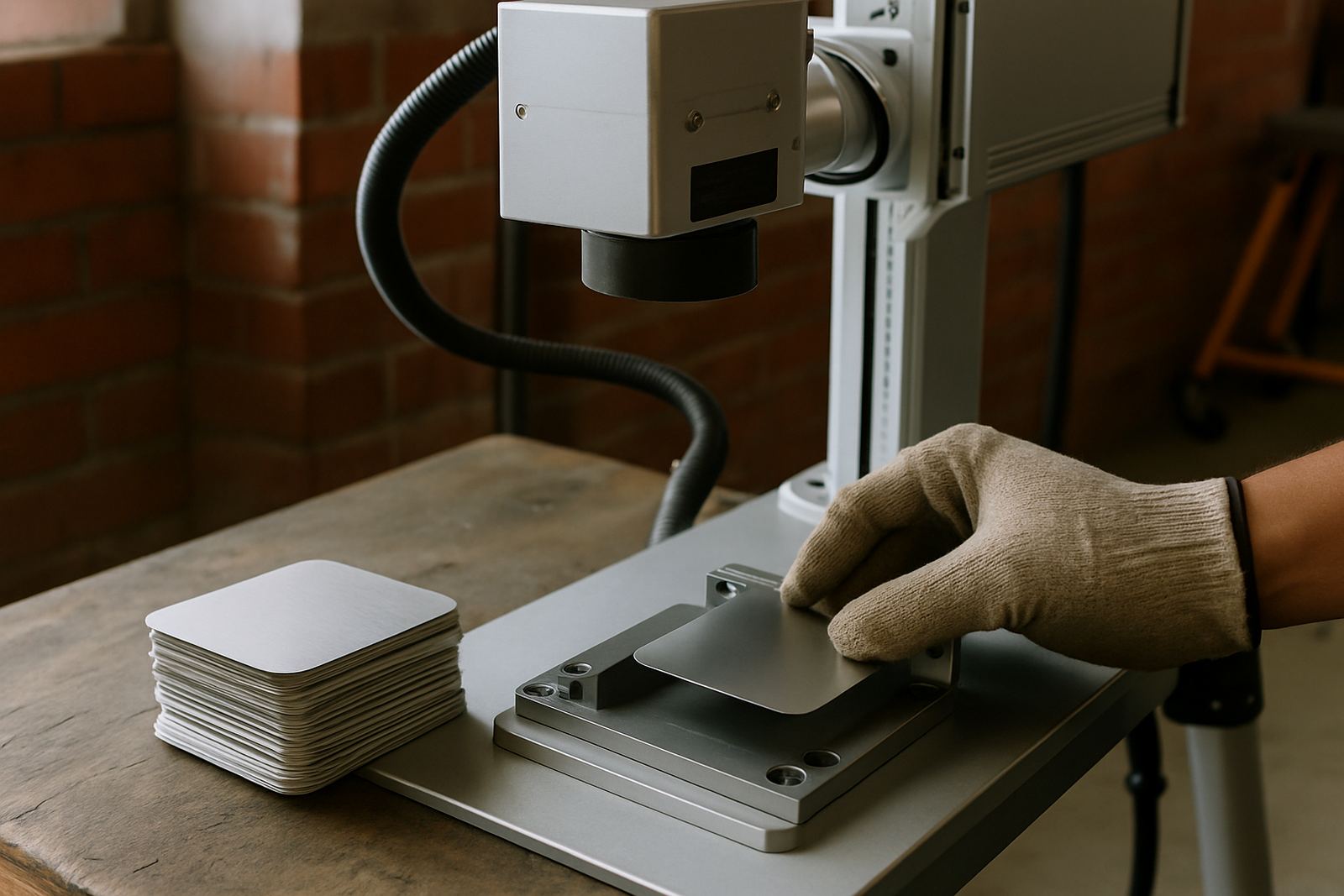
We supplied a fibre laser marking machine with a controlled marking area suited to small and medium automotive components, plus a purpose-built fixture to hold parts repeatably during marking. The system was configured for alphanumeric codes, batch details and identification marks that stayed consistent from one job to the next.
Installation included machine positioning, alignment, focus calibration, software setup and sample marking on the client’s own parts. We then adjusted mark depth, speed and fill settings until the codes were clean and readable on all required surfaces. The process was tested across several part variations so the operators could work with confidence.
- Fibre laser marking machine for metal components
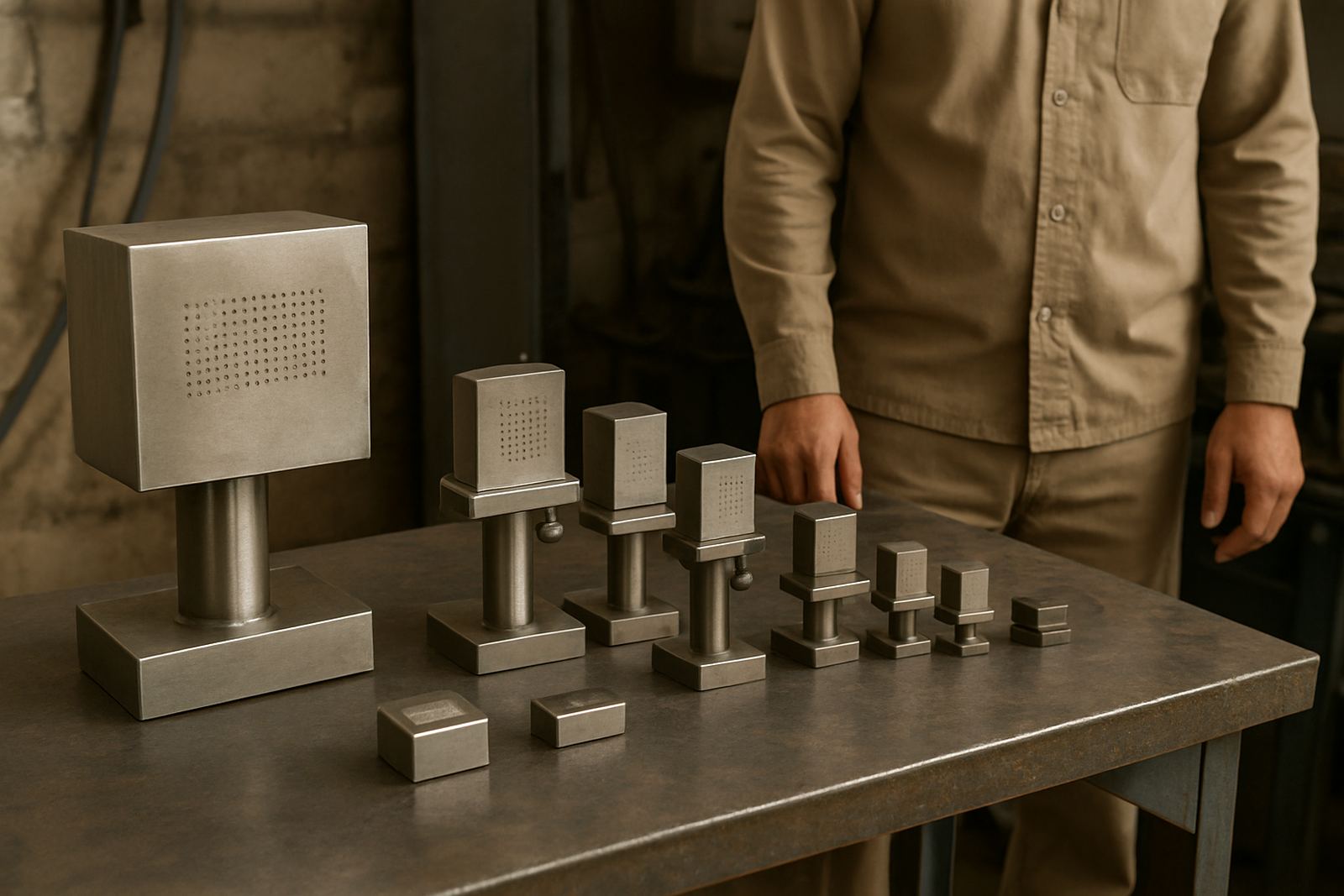
- Part fixture for repeatable positioning
- Software setup for code formats and job files
- Focus calibration for different part heights
- Sample marking on client parts before handover
Timeline and training over three weeks
This Springs automotive project moved from first site visit to handover over a three week period. Week one covered the needs assessment, part samples and layout planning. Week two was installation, software setup and initial process trials. Week three focused on operator training, live production testing and final checks.
Training was kept practical. Operators learned how to load parts, open the right job, check mark position and handle routine checks before release. We also covered what to do after a power event, how to spot worn fixtures and when to call for support. The hands-on approach worked well and the team picked it up quickly, even on a busy shift pattern.
- Week 1: assessment and sample review
- Week 2: install and setting adjustments
- Week 3: training and production verification
- Remote follow-up available after go-live
Results for production and inspection
Once the setup was live, the client had a reliable marking point that gave them consistent traceability codes with less handling risk. Inspection moved faster because the marks were clear enough for quick reading, and the batch records matched the physical parts without confusion.
The team also gained a simpler process for changeovers. Instead of chasing settings each time a different component came through, they could load the correct file and keep moving. That saved time, reduced errors and made the marking step a lot easier to manage across shifts.
- Permanent marks on production parts
- Better traceability for inspection control
- Faster changeovers between jobs
- Less rework from unclear or misplaced codes
What we would keep the same on another automotive marking job
On another project like this, we would again start with sample marking, check fixtures before install and train operators on the actual production parts.: sample marking first, fixture checks before install and operator training on the exact parts being used. That sequence saves time later and avoids surprises once the line starts running.
For automotive work in particular, we would keep testing across real part finishes and not assume one setting fits every component. Springs plants often have mixed production demands, so practical setup, clear files and good follow-up matter more than fancy talk. That is how you get marks that last and a process the floor team can trust.
Key facts
| Project town | Springs, Gauteng |
|---|---|
| Client type | Automotive components supplier |
| Marking method | Fibre laser marking on metal parts |
| Project duration | 3 weeks |
| Key function | Traceability codes for production and inspection control |
| Delivery scope | Install, training, software setup, calibration and sample marking |