
The Brief From an Isando Production Floor
The client in Isando needed a simple but important job done properly: production plates for machines and sub assemblies that would carry model data, serial references and permanent identification. Their team wanted a mark that stayed readable even after years of use, with no ink to wear off and no labels to peel in hot or oily areas.
The plates were for internal equipment control, so accuracy mattered. Each item had to match the correct machine, and the layout had to leave enough space for the text, numbering and any small technical notes. The client also wanted a consistent finish across a batch, because the plates would be fitted across more than one unit on site.
What Made This Job Tricky
Isando workshops can be busy places, with fork trucks, dust, vibration and sharp turnaround times. The plates had to be marked cleanly on metal and still look professional after handling. Some areas on site also had limited downtime, so the work had to be completed in a short window and with minimal disruption to production.
We also had to keep the marking deep enough to remain permanent, while avoiding distortion on small text. For this type of job, the biggest risk is a mark that is either too light to read or too heavy and messy on a small plate. The brief called for a neat result, and no rework.
- Permanent identification for factory use
- Legible model data and serial details
- Clean finish on metal plates
- Fast turnaround with low downtime
- Repeatable marking across the full batch
Our Marking Process and Setup
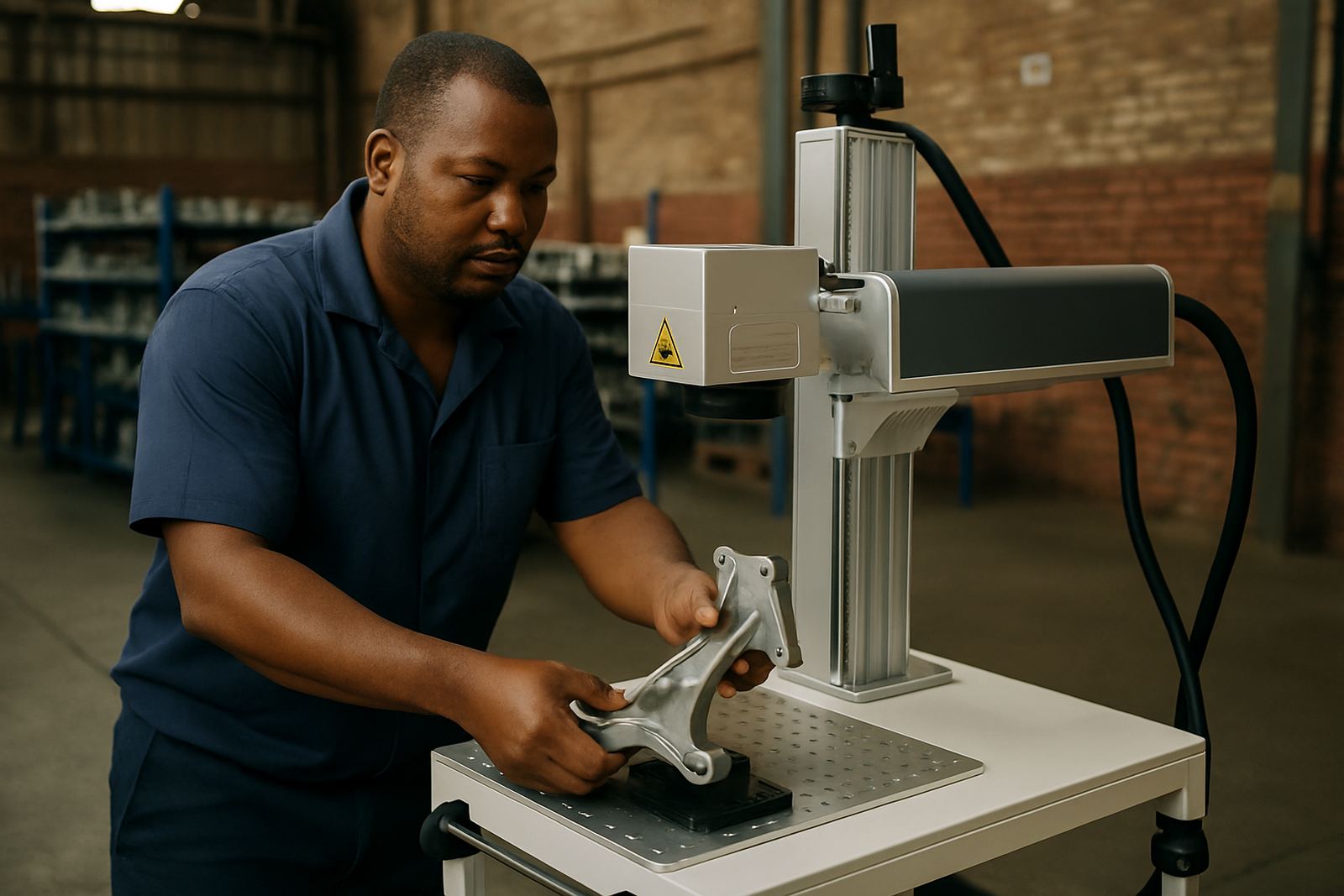
We used fibre laser marking for the plates because it gives a sharp, controlled mark on metal and handles fine text well. The setup was prepared in Wadeville, Germiston, then matched to the plate sizes and data list supplied by the client. Before marking the full batch, we completed sample marking to confirm text size, spacing and contrast.
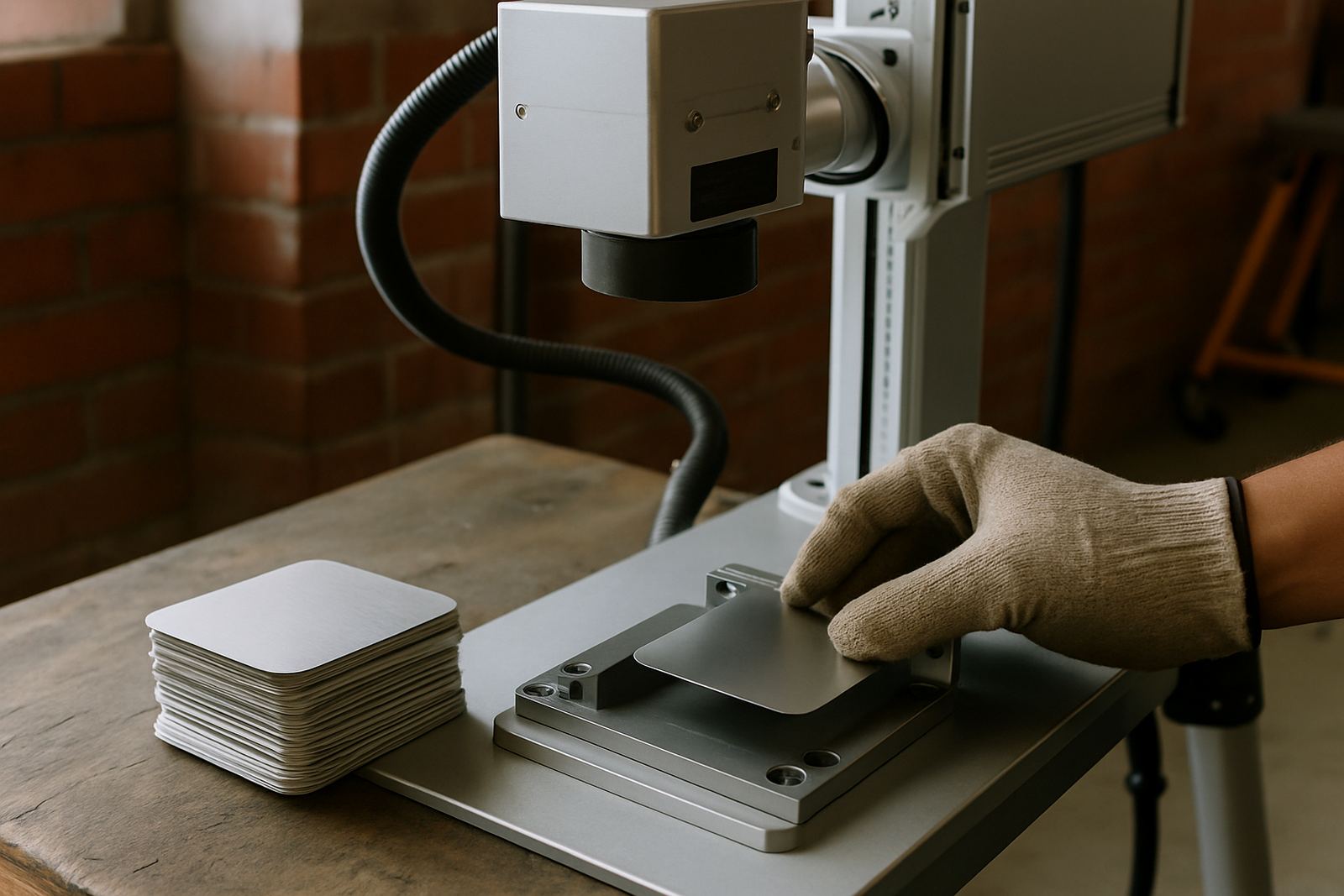
Once the layout was approved, we ran the production plates through in sequence and checked each batch against the model list. The work included software setup, fixture positioning and focus calibration so the mark stayed in the same position on every part. That sort of consistency saves time later when plates are fitted on the floor.
- Fibre laser marking for permanent metal identification
- Sample marking before full production
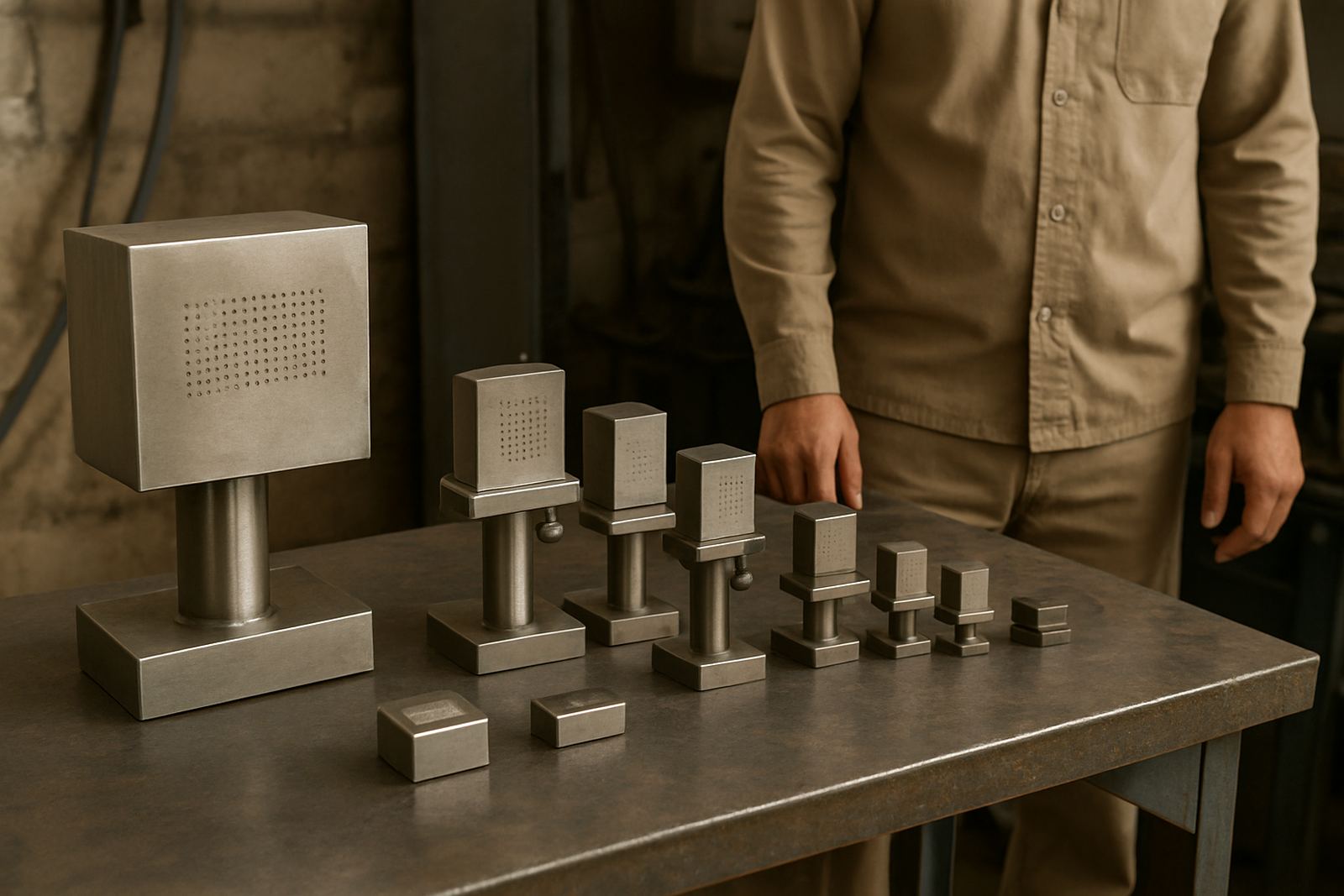
- Fixture set-up for repeatable placement
- Focus calibration for fine detail
- Batch checking against the plate schedule
Timeline, Installation and Hand Over
The job took two weeks from final data confirmation to completion. Week one covered sample marking, layout checks and final approval. Week two covered the full batch marking, inspection and preparation for fitting. Because the client needed practical support, we kept communication clear and worked from the approved list without adding delays.
We did not just mark the plates and leave. The client received guidance on handling, storage and fitting so the plates would not be scratched before installation. Where required, we also explained how the marking settings could be repeated for future batches, which is useful when a site adds new equipment or replaces worn nameplates.
- Week 1: sample marking and layout approval
- Week 2: batch marking and inspection
- Clear sign-off on each plate set
- Advice on storage and fitting on site
- Repeat settings saved for future orders
Results on Site in Isando
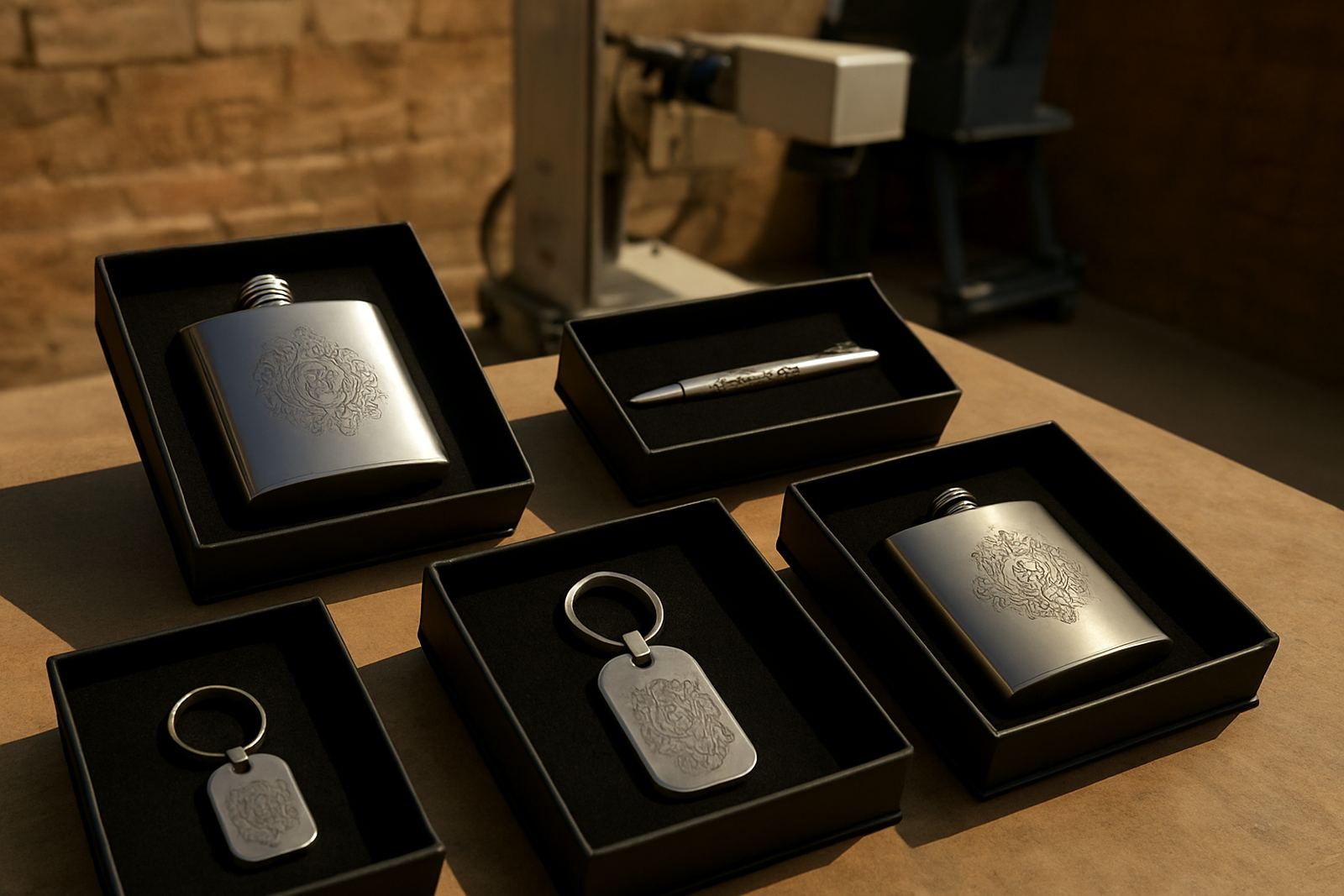
The finished plates were crisp, permanent and easy to read. The client could fit them to equipment without worrying about fading or peeling, even in areas where parts are wiped down regularly. The model data and machine IDs were consistent across the batch, which helped the maintenance team keep track of each item more easily.
For a production floor, that kind of detail matters. Good identification cuts down on mistakes during repairs, inspections and stock control. It also gives the equipment a cleaner, more professional finish. The client was especially pleased that the markings stayed neat on small plates where there is not much room to work with.
What We Would Carry Forward To The Next Nameplate Job
If we were to do this job again for another Isando plant, we would follow the same approach: confirm the data first, mark a sample, then run the full batch once the layout is signed off. That process avoids errors and keeps the turnaround tight.
We would also recommend keeping a master plate schedule for future replacements. It makes reordering faster and helps when a machine gets relocated, upgraded or re numbered. For sites that work through load-shedding or tight maintenance windows, a clear plate list and pre-approved layout saves time. It is a small thing, but it prevents headaches later.
Key facts
| Project type | Production plates and machine identification nameplates |
|---|---|
| Location | Isando, Gauteng |
| Marking method | Fibre laser marking on metal |
| Content marked | Model data, serial details and permanent machine identification |
| Timeline | 2 weeks from sample approval to completion |
| Support included | Sample marking, software setup, fixture setup, focus calibration and guidance for fitting |