What the Pretoria East workshop needed
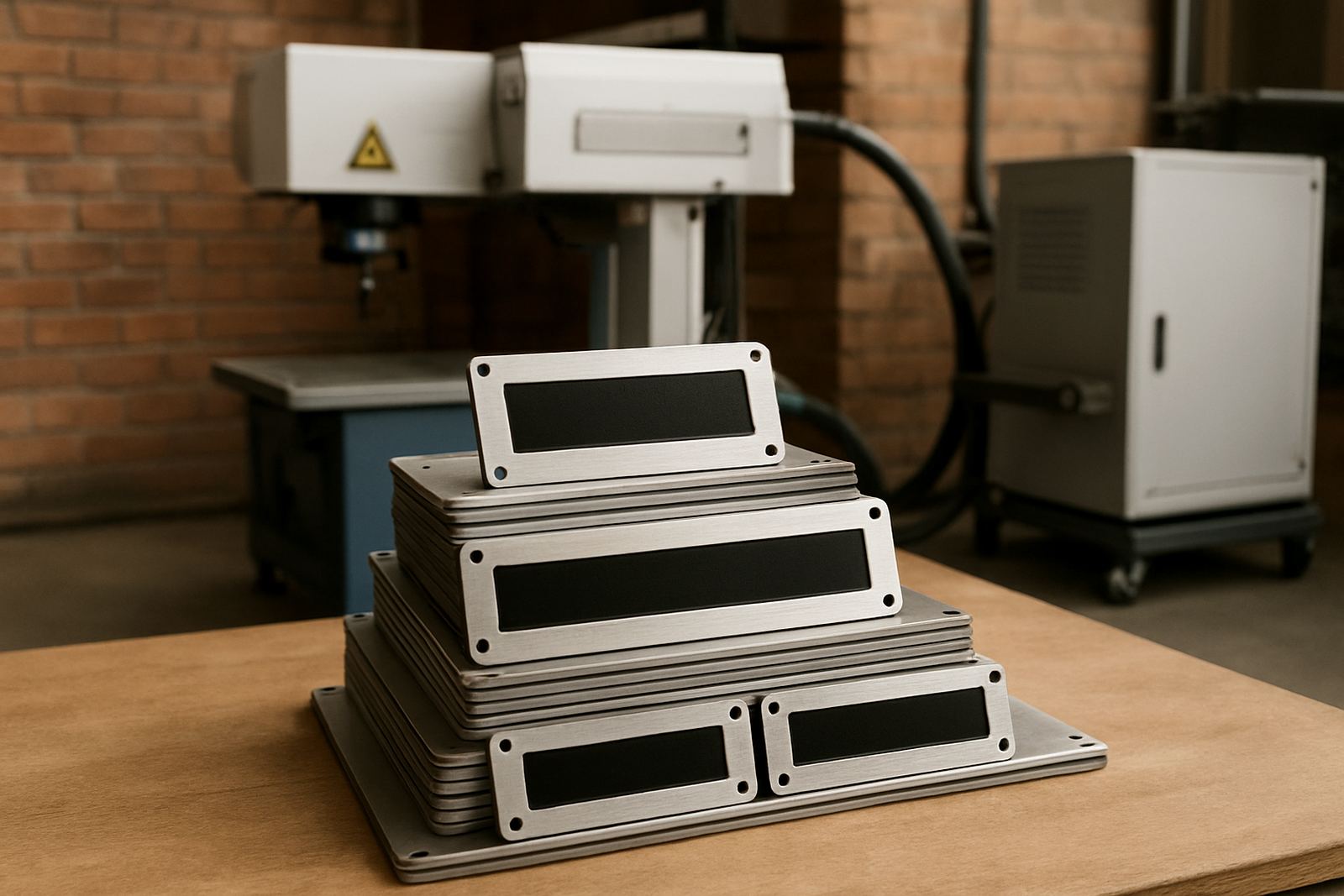
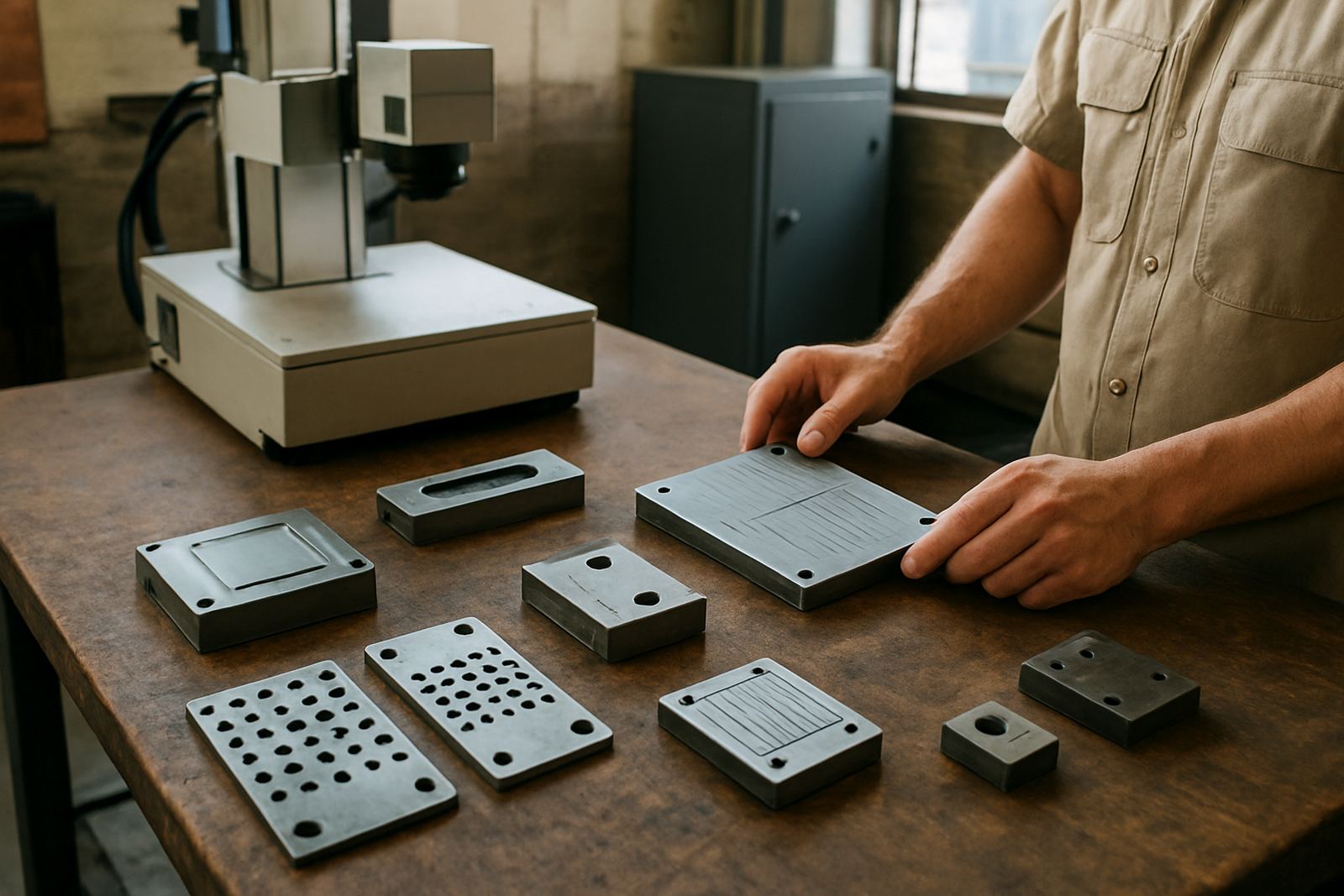
The client was a metal finishing workshop in Pretoria East working on machined aluminium components for repeat orders and traceability. Their parts needed a neat logo mark and a serial number on each item, with the same position and depth every time. The finish had to suit a visible product, so the mark could not look harsh or uneven.
The brief was practical. They wanted a marking method that could cope with small batches in the morning and larger runs later in the week, without constant adjustment. The parts were already machined, so any marking error would mean scrap or rework. In a busy Gauteng workshop that is costly, especially when delivery dates are tight.
- Material: machined aluminium
- Mark type: logo and unique serial number
- Part size range: small to medium components
- Required outcome: legible, repeatable, permanent marking
- Site: Pretoria East
Site limits on the job and why they affected the marking plan
Aluminium can mark well with a fibre laser, but the result depends on surface condition, focus height and how the part is held. These components had machined faces, so even a slight tilt or movement could shift the mark. The workshop also needed a process that did not rely on one highly specialised operator, because staff cover changes from time to time.
There was also a timing issue. The job had to slot into normal production without slowing the rest of the workshop. Power interruptions were a consideration as well, since many Gauteng businesses plan around load-shedding and want equipment that comes back to work cleanly after a stop. We kept the setup simple and made sure the marking routine was easy to repeat, even after a pause.
- Keep marking depth light enough to protect surface finish
- Hold repeat position on every part
- Allow fast changeover between serial numbers
- Minimise operator error during busy shifts
Equipment setup and marking method we used
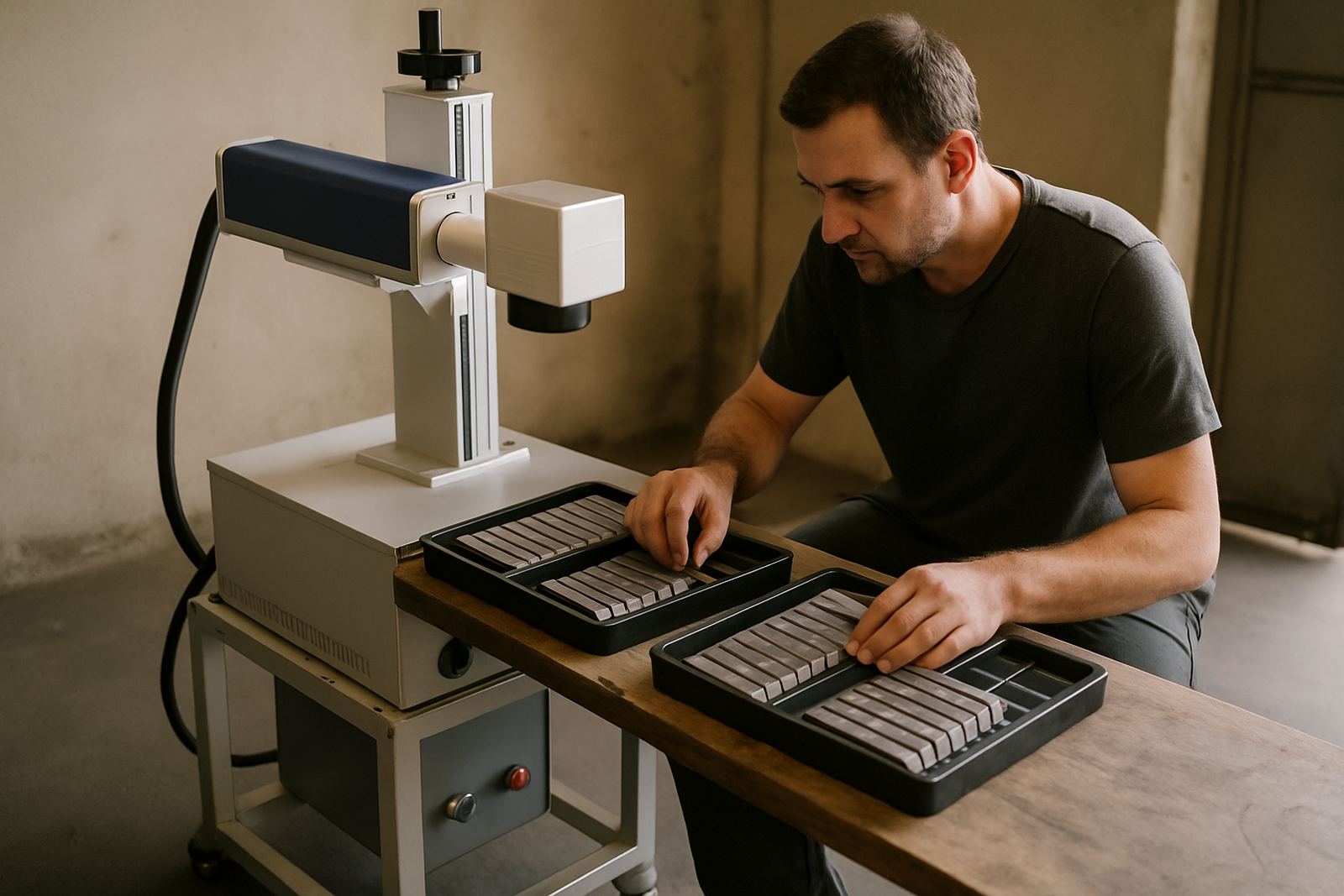
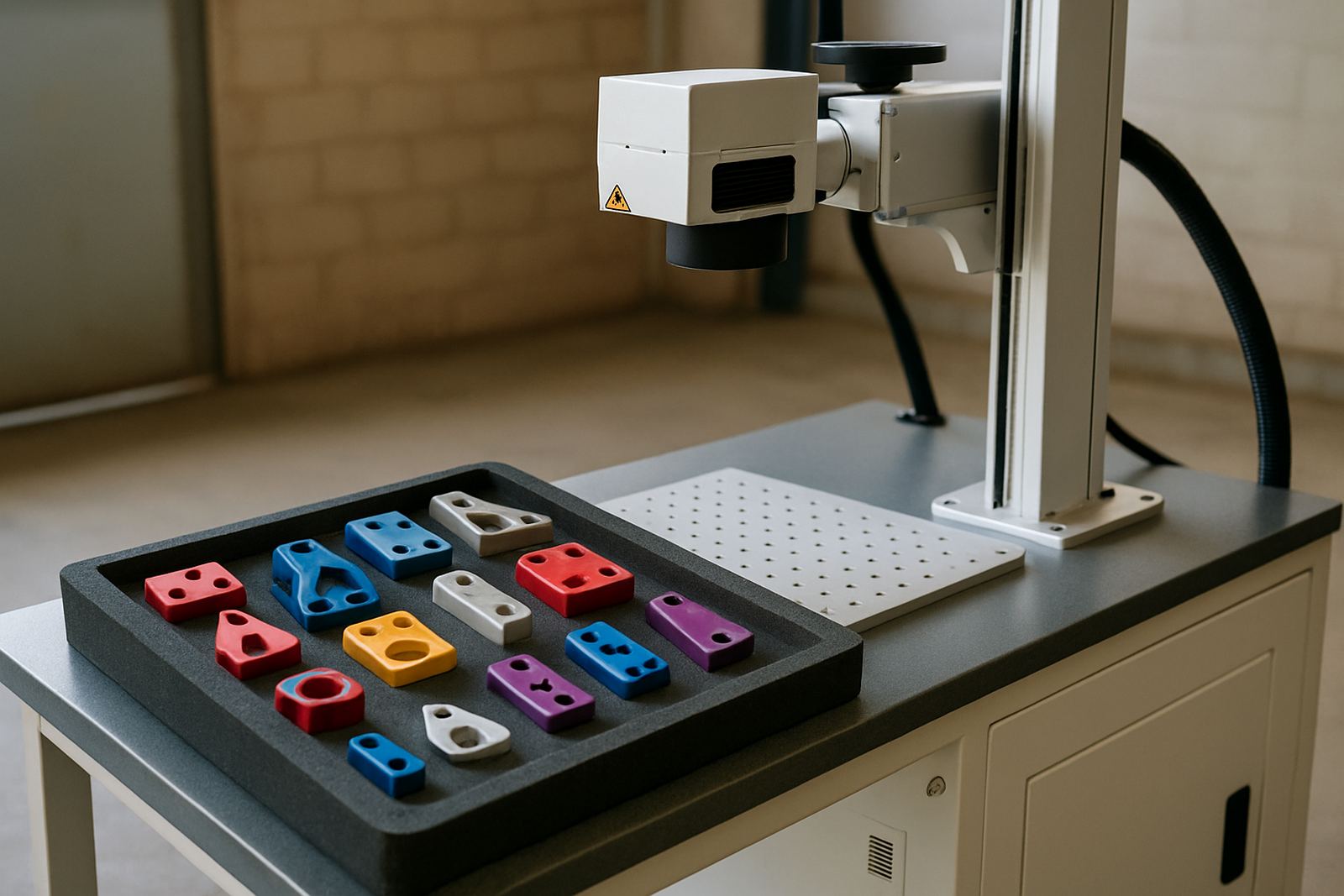
We supplied a fibre laser marking machine set up for metal work, with software configured for variable text and logo placement. The marking parameters were tuned for aluminium so the result was crisp and dark enough to read without putting too much heat into the part. We also checked the focus height carefully, because on machined faces even a small variation can alter the mark quality.
To support production, we discussed fixture options that would hold the parts square and steady. For this kind of work, a basic but well-made fixture often performs better than an overcomplicated one. It needs to be easy to load, easy to clean and easy to repeat. We also set up the artwork files so the logo could be placed in the same spot every time, with the serial number changing from part to part.
- Fibre laser process for aluminium marking
- Software setup for fixed logo and variable serial data
- Focus check and test marks before production
- Fixture guidance for consistent part location
Training and handover for day to day use
Once the sample marks were approved, we trained the operators on loading, focus setting, file selection and basic cleaning around the lens area. We keep training direct and practical, because a workshop team needs to get on with the job the same afternoon if possible. The team also learned how to spot early signs of misalignment so small problems could be caught before they affected a full batch.
The handover covered the simple steps that make a real difference: keep the marking bed clear, avoid touching the optic surfaces, confirm the right job file before starting, and check the first part after any break. That sort of routine saves time later. It is especially helpful where production varies week to week and the team may shift between jobs.
- Operator training on start-up and shutdown steps
- File handling for logos and serial sequences
- Daily checks for lens area and fixture position
- Basic fault spotting
Timeline from enquiry to completed marking
The project ran over three weeks from initial enquiry to sign-off. In week one we reviewed the brief, looked at the artwork and confirmed the part material and marking area. In week two we completed sample marking and made small changes to get the contrast and placement right. In week three we carried out the handover, finalised the process notes and checked that the operators were comfortable running the machine.
This kind of schedule works well for workshops because it leaves enough time to test without dragging the job out. The client could keep their own work moving while the new marking process was introduced. It also gave us time to adjust the serial format and confirm that the marks held their appearance after handling. No drama, just a steady rollout.
- Week 1: brief review and file preparation
- Week 2: sample marking and parameter adjustment
- Week 3: training, handover and process sign-off
Results on the parts and what changed for production
The final result was clean, readable logo marking with serial numbers that stayed consistent across the run. The client got a permanent identifier on each component, which improved traceability and reduced the need for hand-written labels or separate tags. Because the marking was done directly on the metal, there was less chance of the information falling off or getting damaged in handling.
Production also became easier to manage. Once the fixture and software settings were settled, changeovers were quicker and the operators had a repeatable method to follow. That helped the workshop respond to small rush orders without reworking the setup each time. For a Pretoria East team working on machined aluminium, that is a practical gain that shows up in day to day output.
- Permanent, legible marking on aluminium
- Better traceability for finished parts
- Faster repeat runs after setup was approved
- Less risk of marking inconsistency between batches
What we would carry into the next similar marking job
If we were doing the same type of project again, we would keep the process just as direct: test first, lock the fixture position early, and let the operator team run sample parts before full production. That approach saves time because it surfaces small issues before they become batch problems. It also keeps the final result tied to the real part, not just the drawing.
For workshops around Pretoria, Germiston, Boksburg and Alberton, this is often the best way to introduce laser marking into an existing production flow. Start with the part in hand, confirm the mark size and location, then tune the software and focus to suit the actual surface. That is how you get reliable results without chasing settings all week.
- Confirm the physical part before finalising the file
- Test on the same surface finish as production
- Keep fixture design simple and serviceable
- Train the operators on the exact sequence they will use
Key facts
| Project | Pretoria East Job |
|---|---|
| Client type | Metal workshop |
| Location | Pretoria East, Gauteng |
| Material | Machined aluminium |
| Marking | Logo and serial number |
| Timeline | 3 weeks from brief to handover |