
Kempton Park brief: repeat batches, tight turnaround
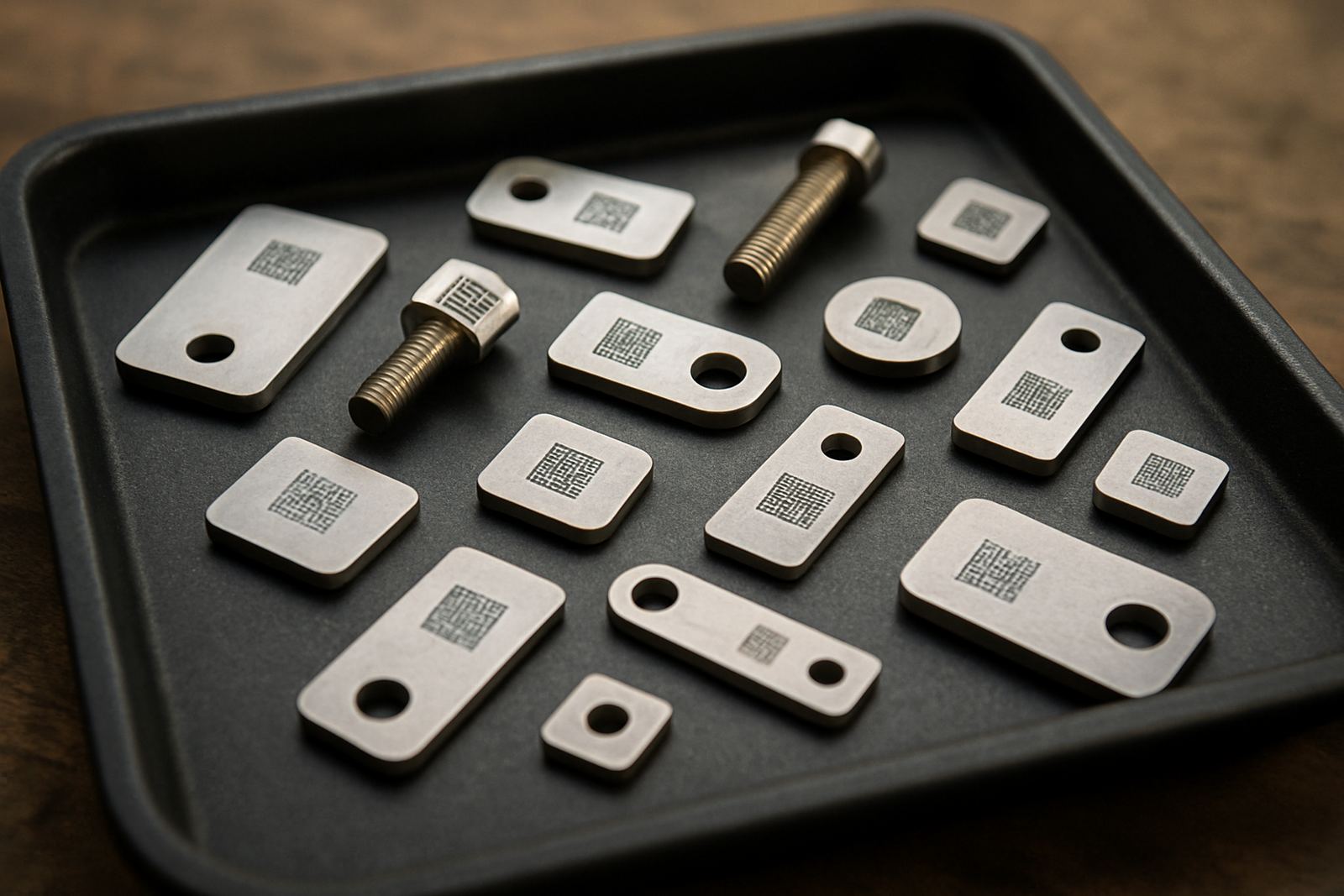
The client is a component manufacturer in Kempton Park working on recurring batches of metal parts for downstream assembly. Their old marking method was slowing dispatch because each run needed separate setup time and the marks were not always easy to read after handling. They needed serial numbers, batch references and trace codes applied quickly, with consistent placement from one batch to the next.
The brief was practical. Parts arrived in mixed tray counts, the team had to mark several part numbers in one shift, and the line could not stop for long setup changes. The marks also had to survive oil, workshop cleaning and normal wear. In a plant like this, if a code fades or shifts position, the next department loses time checking it and sorting it out.
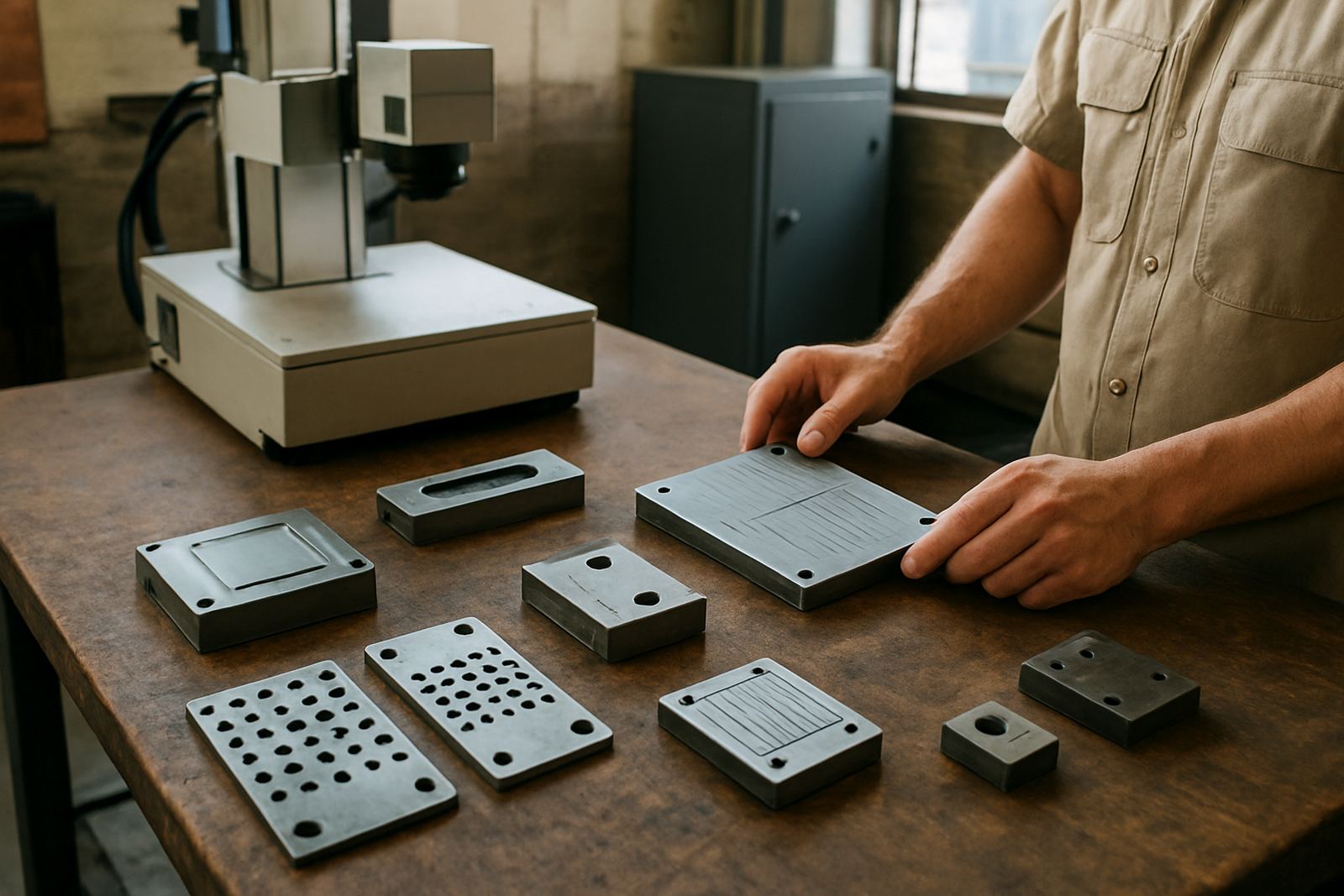
We first looked at the part sizes, the finish on the metal and the working space at the marking station. The parts were small enough that a clean fixture was needed to keep them in the same position every time, and the operator had to be able to load and clear trays without fighting the machine. That shaped the whole approach.
What the marking station needed to handle
The job had a few constraints that mattered. The client wanted short cycle times, but not at the cost of legibility. They also needed a marking process that could be repeated by different operators without the result drifting. Because the batches repeated often, the setup had to be simple enough for daily use, not something that only one skilled person could run.
- Part material: metal components with a mix of flat and slightly contoured surfaces
- Marking content: serial numbers, date codes and batch identifiers
- Production need: repeated short runs with quick changeover between part types
- Reading requirement: clear codes for visual checks and downstream traceability
- Site condition: normal factory power with load-shedding planning in mind
We also had to take note of workshop dust and the general pace of the area. A machine like this must stay stable on the base it is mounted to and the software should not make the operator jump between too many steps. In a busy Kempton Park plant, a simple screen often saves more time than fancy extras.
The fibre laser setup we supplied
We supplied a fibre laser marking machine suited to metal parts, with a working area sized for the client’s trays and fixture needs. The unit was set up for direct part marking rather than labels or ink, which gave a sharper mark and removed the cost and waste of consumables. For this type of job, that matters because the same codes are repeated all week and the mark must stay readable after handling.
The package included the laser unit, control software, sample marking, fixture guidance and on-site setup. We also checked the engraving depth and the mark contrast on the actual parts before releasing the system for production. On this job, the client did not need deep engraving every time. Some parts only needed a light, high-contrast mark while others needed a slightly deeper mark for better visibility on a darker finish.
- Fibre laser source for metal marking
- Repeatable serialisation and batch coding
- Adjusted focal position for mixed part heights
- Fixture design guidance for tray loading
- Operator-friendly software layout for daily use
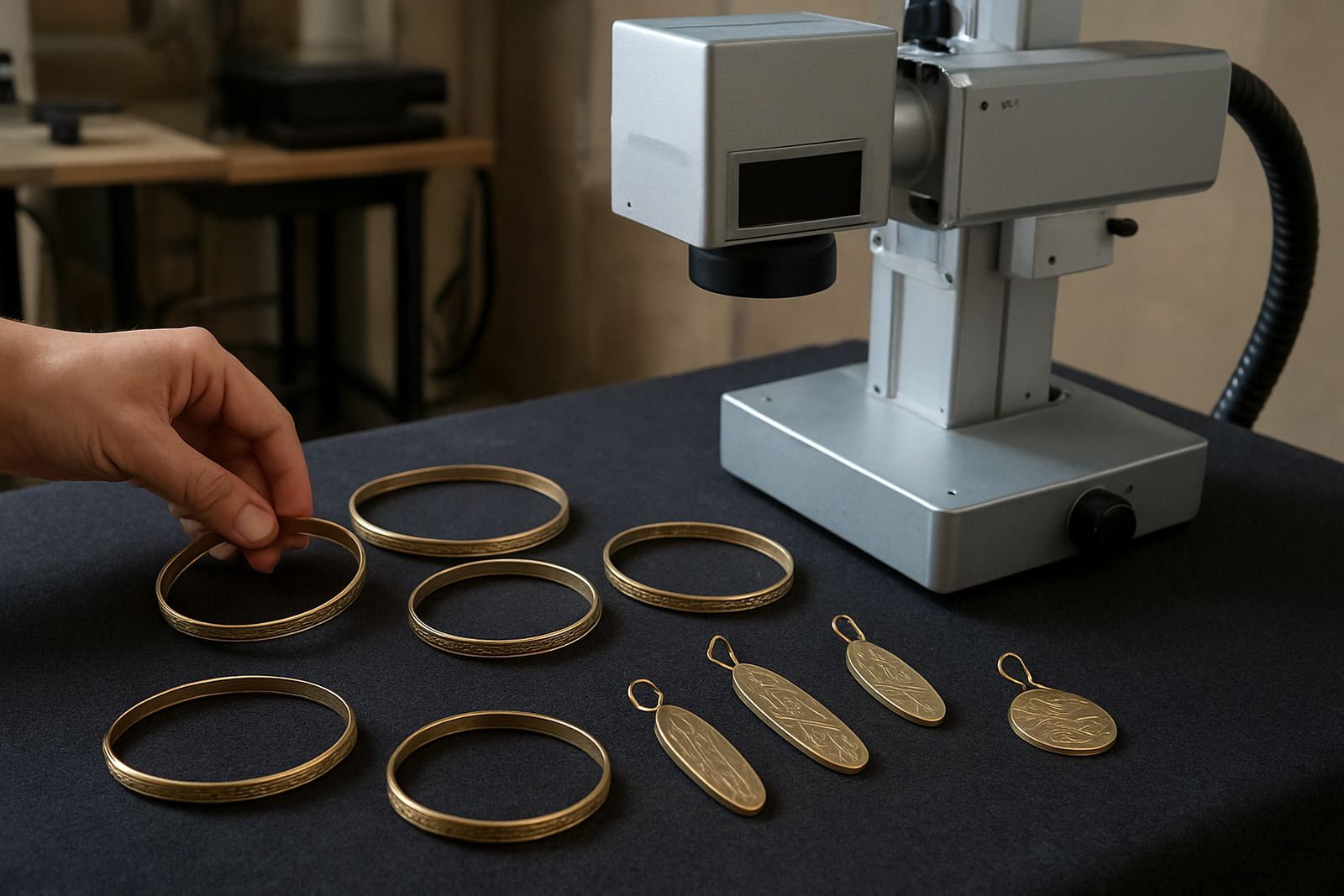
The machine was selected because the client needed dependable output in a production environment, not a complicated setup that would sit in one corner and gather dust. Fibre marking is well suited to small parts, fittings, tags and jewellery work where the detail must stay crisp.
Installation, focus calibration and software setup
We completed the installation in one week, then spent the next part of the project on focus calibration, sample marking and software setup. The focus work was important because even a small height difference on metal parts can affect line sharpness. Once the marks were centred and the focal point locked in, the results stayed consistent across repeated trays.
The software was set up with the client’s part numbers and serial sequence rules, so the operator could load a job, confirm the part type and start the run without rebuilding the file every time. That reduced the chance of mistakes when the line was busy. We also tested the machine under normal workshop conditions to make sure the results stayed steady through a full shift.
Because the site had to plan around load-shedding, we discussed safe shutdown and restart steps with the team. The aim was to keep the machine and software in a known state if power dropped during a run. That sort of planning saves time later and helps protect the workpiece queue.
Training the Kempton Park team
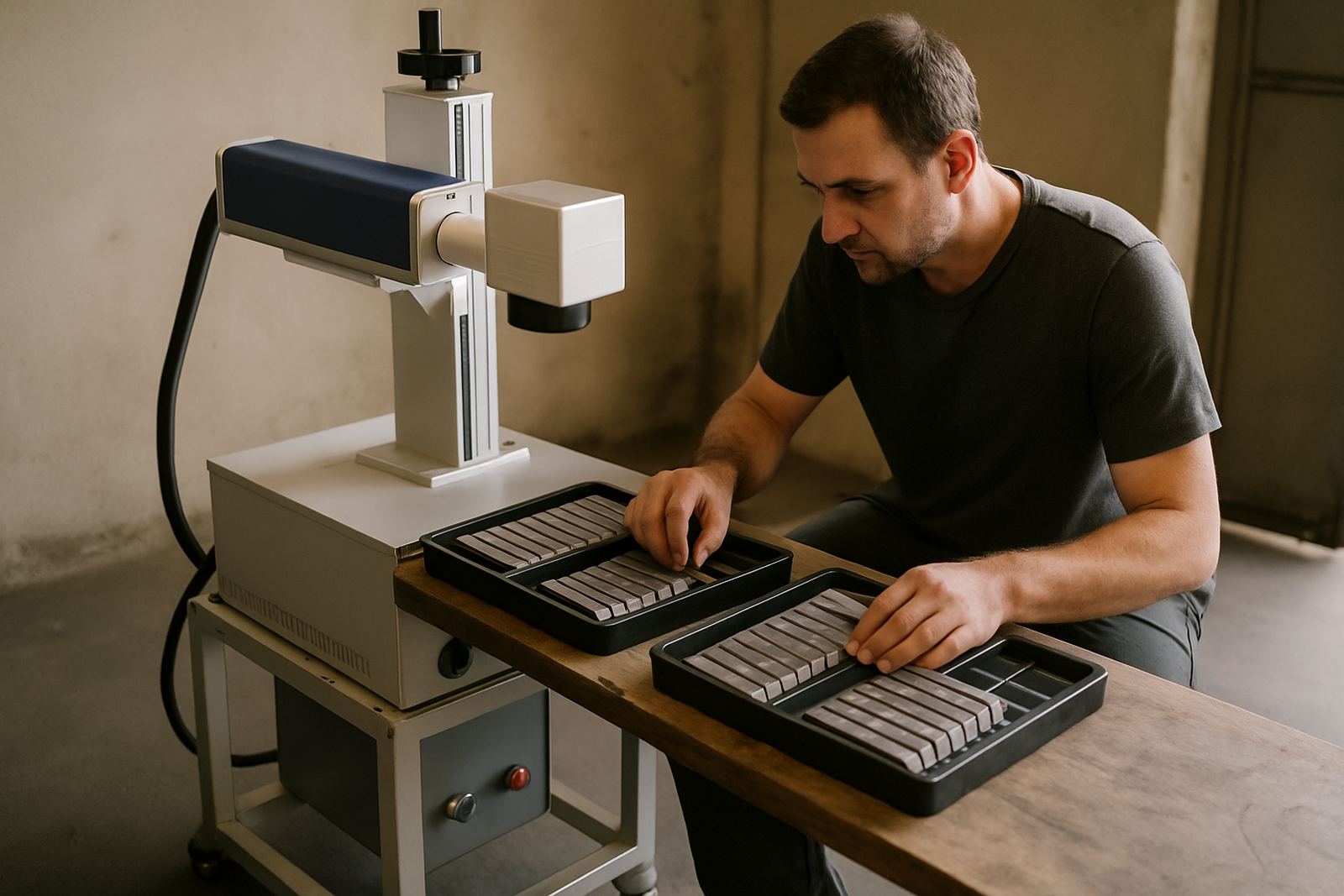
Training was handled on site with the operators, the shift lead and the person responsible for traceability records. We kept it hands-on and focused on the work they do every day. The team needed to know how to load the fixture, confirm the file, check mark position and spot a part that was not seated correctly before starting a batch.
We also covered basic maintenance and inspection. Fibre laser equipment is not difficult to look after, but it does need a clean lens area, stable mounting and regular checks on the marking jig. A few minutes of care each week is better than stopping production for preventable drift.
- Operator start-up and shutdown steps
- Serial number changeover routine
- Daily cleaning and visual checks
- Mark quality inspection for the first and last parts in a batch
- Simple fault reporting for support follow-up
The team picked it up quickly. The main gain was confidence. Once the operators saw that the mark placement stayed true from tray to tray, they did not need to second-guess the process.
Results after the first production runs
Within three weeks of the first site visit, the client was running repeated batches with much less delay between jobs. Serial numbers were applied in a cleaner sequence, part identification was easier to read and the marking station no longer held up the rest of the workflow. The biggest change was not only speed, but consistency. The same job now looks the same from the first part to the last.
The client also reported fewer rechecks during downstream handling because the codes were clearer and the positioning was better controlled. That meant less time spent sorting parts, and less pressure on the team when a batch needed to move before the end of shift. For a manufacturer in Kempton Park, that is a practical improvement with real value.
If we were doing the same job again, we would make the same choices: start with the parts in front of us, build the fixture around the actual tray format, keep the software simple and train the operators on the exact routine they will use every day. That approach works because it fits the plant, not the other way round.
Key facts
| Project location | Kempton Park, Gauteng |
|---|---|
| Client type | Component manufacturer |
| Application | Serialisation on repeated part batches |
| Machine type | Fibre laser marking system for metal parts |
| Timeline | 3 weeks from first visit to production handover |
| Support included | Installation, training, software setup and sample marking |