What the toolroom needed in Wadeville
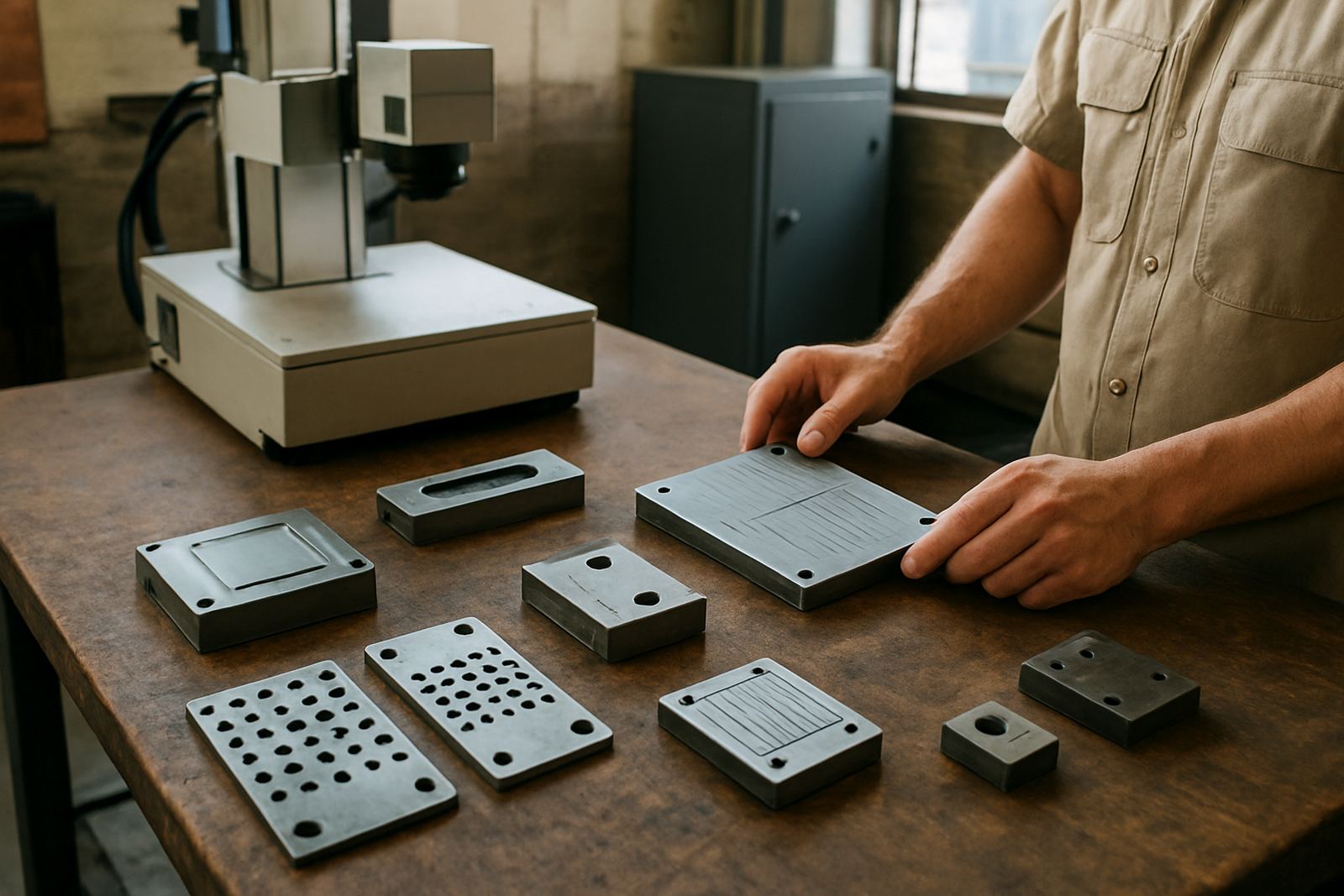
The client was a local toolroom in Wadeville, Germiston, working on hardened steel tooling for production parts that must be identified quickly on the shop floor. Their marks had to survive oil, coolant, repeated handling, and the rough treatment that comes with tool changes, storage, and maintenance. The old identification method was not giving them the durability or the clean finish they needed, especially where small cavity numbers and holder codes had to remain readable after years of use.
The brief was simple in theory but demanding in practice: mark hardened steel without damaging the surface, keep the text and numbers small but legible, and make sure the process could be repeated by different operators. They also wanted something practical for a working toolroom, not a complicated setup that would slow the team down. Because load-shedding is a reality in the area, they asked for a process that could be brought back online quickly after power interruptions and still hold its settings.
- Workpiece material: hardened steel tooling
- Marking type: holder codes, cavity references, part identifiers
- Environment: oily, dusty toolroom with regular handling
- Priority: permanent, crisp identification with low maintenance
Why fibre laser marking suited the job
Fibre laser marking was the right fit because it produces a sharp, permanent mark on metals without inks, labels, or consumables that can wear away. For this toolroom, the marks had to stay readable under workshop lighting and during quick inspection, and the process needed to be repeatable on both small inserts and heavier tooling. A fibre source also handles stainless steel and tool steel well, which matters when the job mix changes from week to week.
We supplied a machine suited to metal parts and tooling work, with a marking field that covered the sizes they needed in the workshop. The setup was configured for fine text, serial style numbering, cavity references, and simple logos where required. We also made sure the fixture arrangement allowed the team to load parts consistently, because alignment is often what makes the difference between a neat production mark and a poor one.
- Marking on steel without touching the surface mechanically
- Fine detail for small text and tight number spacing
- No consumables for day to day marking
- Suitable for repetitive marking runs in a toolroom setting
Site setup, alignment, and software work
The installation took place over two weeks on site, starting with machine placement, electrical checks, and a review of the available bench space. The toolroom wanted a unit that could be operated safely beside existing equipment, with enough clearance for loading heavier items. We checked the marking height, set the focal distance, and confirmed the working area so the team could position parts consistently from one job to the next. The job also involved setting up the marking files and a simple naming structure for common tooling references.
Software setup formed a big part of the handover. We loaded the sample mark templates for holder codes, cavity numbers, and maintenance references, then tuned the speed, power, frequency, and fill pattern until the marks came out clean on hardened steel. In some areas we used a shallow mark for neat identification and in others a deeper contrast mark where the client wanted stronger visibility. The final settings were saved so operators could call up proven jobs instead of starting from scratch every time.
- Installation and initial setup completed in 2 weeks
- Marking parameters adjusted for different steel finishes
- Templates created for repeat use on common tool types
- Operator-friendly naming and job saving structure
Training the team to run it day after day
Once the machine was marking correctly, we spent time with the team on practical operator training. The focus was not just on pressing start, but on loading parts squarely, checking focus, confirming the correct file, and keeping marks in the same position from job to job. Toolroom staff often work fast, so the process had to be quick to learn and easy to repeat when different shifts are involved. We kept the training hands-on and used their own parts during the sessions.
The training also covered basic maintenance, daily cleaning, and how to spot when a fixture or surface condition might affect mark quality. We showed them what to check after a power interruption, how to recover settings, and when to call for support. That helped them avoid unnecessary downtime and reduced the risk of marking the wrong cavity or holder code. It also gave the supervisors a clearer process for checking finished work before parts went back into service.
- Hands-on operator training with live parts
- Daily checks for focus, cleanliness, and file selection
- Basic recovery steps after load-shedding or stoppages
- Quality checks for legibility and correct position
Results on hardened steel tooling
The client now has durable identification that remains clear after handling, cleaning, and regular tool changes. Holder codes are easy to read at a glance, and cavity references stay consistent across the whole tool set. That has improved traceability in the toolroom, especially when more than one technician is handling the same tooling over time. The result is less confusion, quicker setup, and fewer mistakes when parts are returned for service or adjustment.
For the Wadeville toolroom, the biggest production gain was getting the same result from part to part. Once the settings were fixed, the team could mark parts with the same depth, position, and finish without reworking each job. The machine also suited the small workshop environment because it did not need ongoing consumables and did not take much effort to keep running. In short, it gave the toolroom a better marking method without adding extra steps to the day.
- Permanent marks on hardened steel tooling
- Better traceability for holder codes and cavity references
- Faster identification during setup and maintenance
- Reduced risk of marking errors between shifts
What we would keep in place for the next medical marking job
If we were repeating this job for another Wadeville toolroom, we would follow the same process: confirm the most common part sizes first, test the marks on the actual steel grades in use, and build the fixture around the parts that are handled most often. That approach saves time later because the machine is set up around the real work, not an assumed one. We would also keep the job templates simple so operators can find them quickly under pressure.
For toolrooms working in Germiston, Boksburg, Jet Park, Isando, Alberton, or Kempton Park, the same method works well where neat, permanent identification is needed on metal components. We can assist with machine installation, software setup, sample marking, fixture design, preventive maintenance, and remote support when a team needs help after hours or between shifts. The goal is always the same: make the marking process practical enough for daily use and dependable enough for production work.
- Test on the real tooling before final sign-off
- Keep fixture design simple and repeatable
- Use saved templates for common reference marks
- Plan for quick recovery after power interruptions
Key facts
| Project type | Toolroom identification on hardened steel tooling |
|---|---|
| Location | Wadeville, Germiston |
| Material marked | Hardened steel tooling and holders |
| Marking content | Holder codes, cavity references, part identifiers |
| Timeline | 2 weeks on site |
| Services used | Machine installation, software setup, sample marking, operator training, process optimisation |