
What the Alberton panel builder needed
The client was a panel building operation in Alberton supplying control panels for local factories, pump rooms and small industrial sites. Their request was simple on paper but strict in practice: each build needed neat identification plates, durable enclosure labels and consistent part marking that would still be readable after handling, cleaning and installation.
They had been relying on mixed methods for tags and labels, which caused issues when panel schedules changed or when a plate had to be replaced later. The main concern was consistency across multiple builds, because the same job could move from workshop assembly to site installation within a few days. That meant every mark had to line up with the drawing set and stay legible under fluorescent light, dust and the occasional oil film.
Brief, constraints and marking requirements
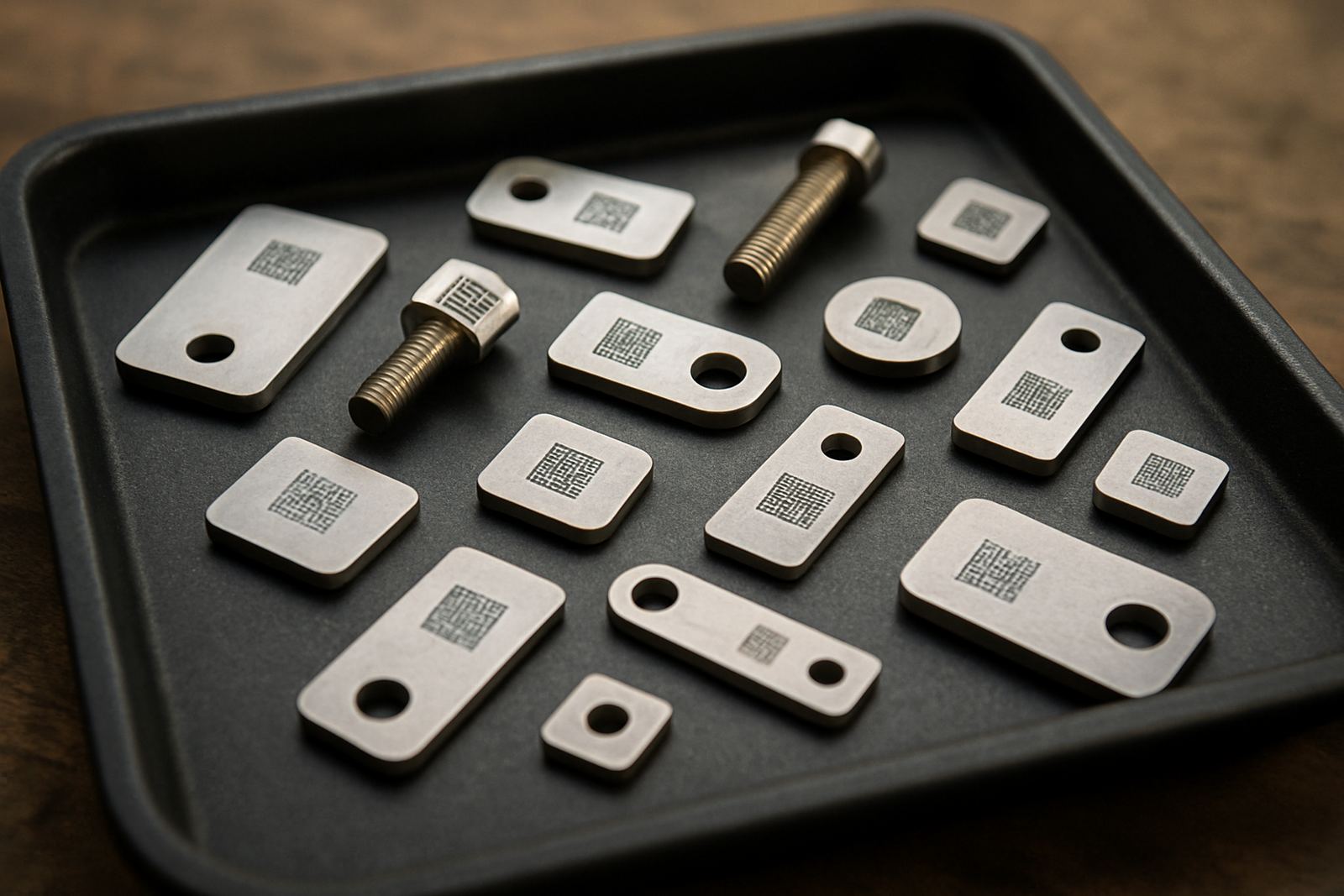
The brief called for clear identification on stainless steel plates, anodised aluminium tags and painted enclosure doors. The text had to include panel numbers, circuit references, warning notes and equipment names in a format that was easy for electricians and inspectors to read. They also wanted small logos and serial details where space allowed, but the priority was function first.
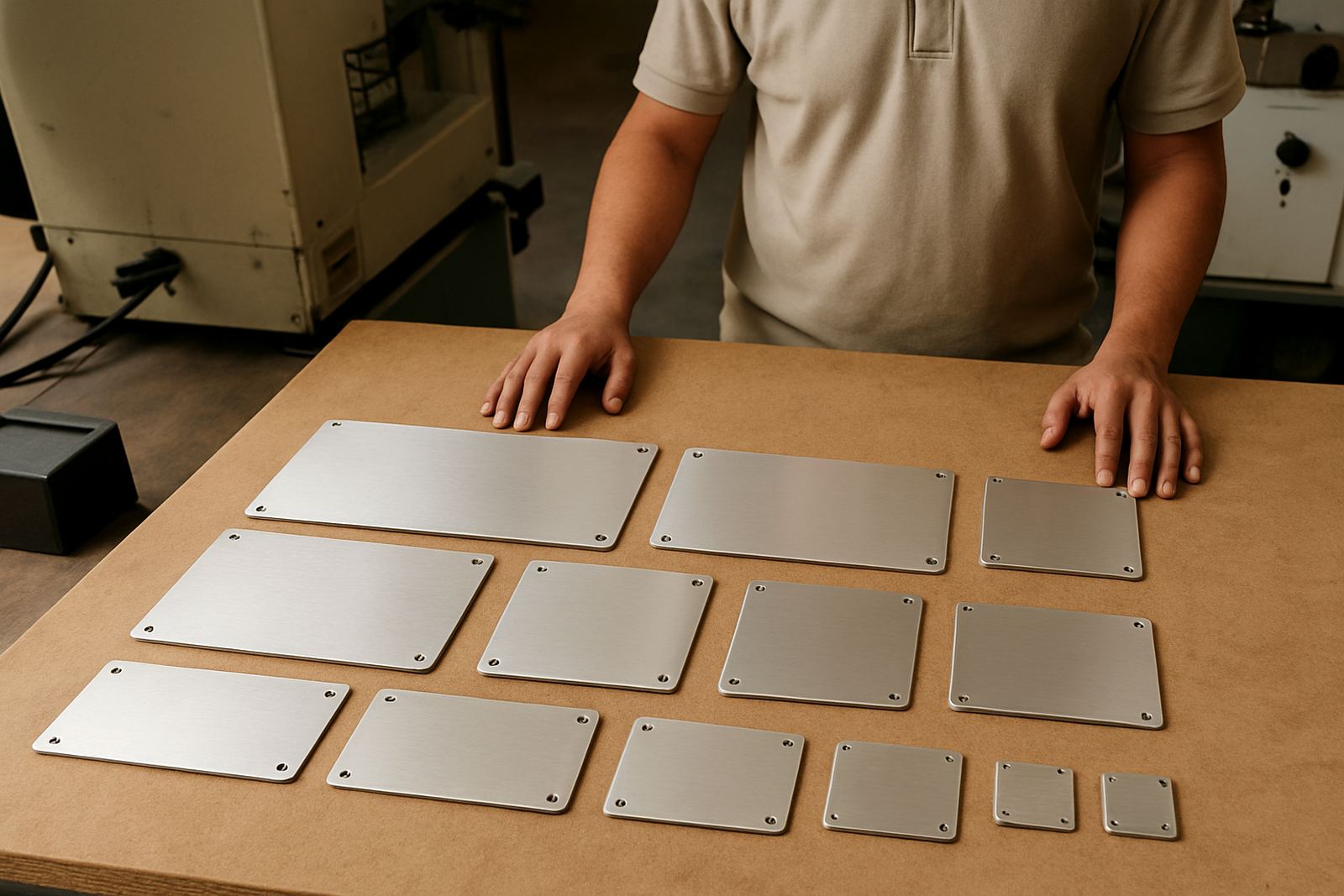
There were a few constraints to manage. Some plates were small, some were fixed near hinges or cable entries and a few had to be cut to irregular sizes. In addition, the client needed a finish that would not peel or fade with time, especially for installations around Gauteng where fine dust and temperature changes are part of daily work. We also had to keep turnaround tight because panel assembly could not sit waiting for marking.
- Material types: stainless steel, anodised aluminium and coated metal surfaces
- Marking content: panel numbers, serials, circuit refs, warning text and small logos
- Plate sizes: from 25 mm x 10 mm up to 120 mm x 80 mm
- Output requirement: crisp, permanent and readable from arm's length
What we supplied and how the system was commissioned
We prepared the marking files from the client’s schedules and checked naming against each panel list before any metal was marked. That avoided mix ups and saved time at installation. Samples were marked first so the client could confirm text size, line weight and spacing on the actual plate material. Once approved, the full batch went ahead.
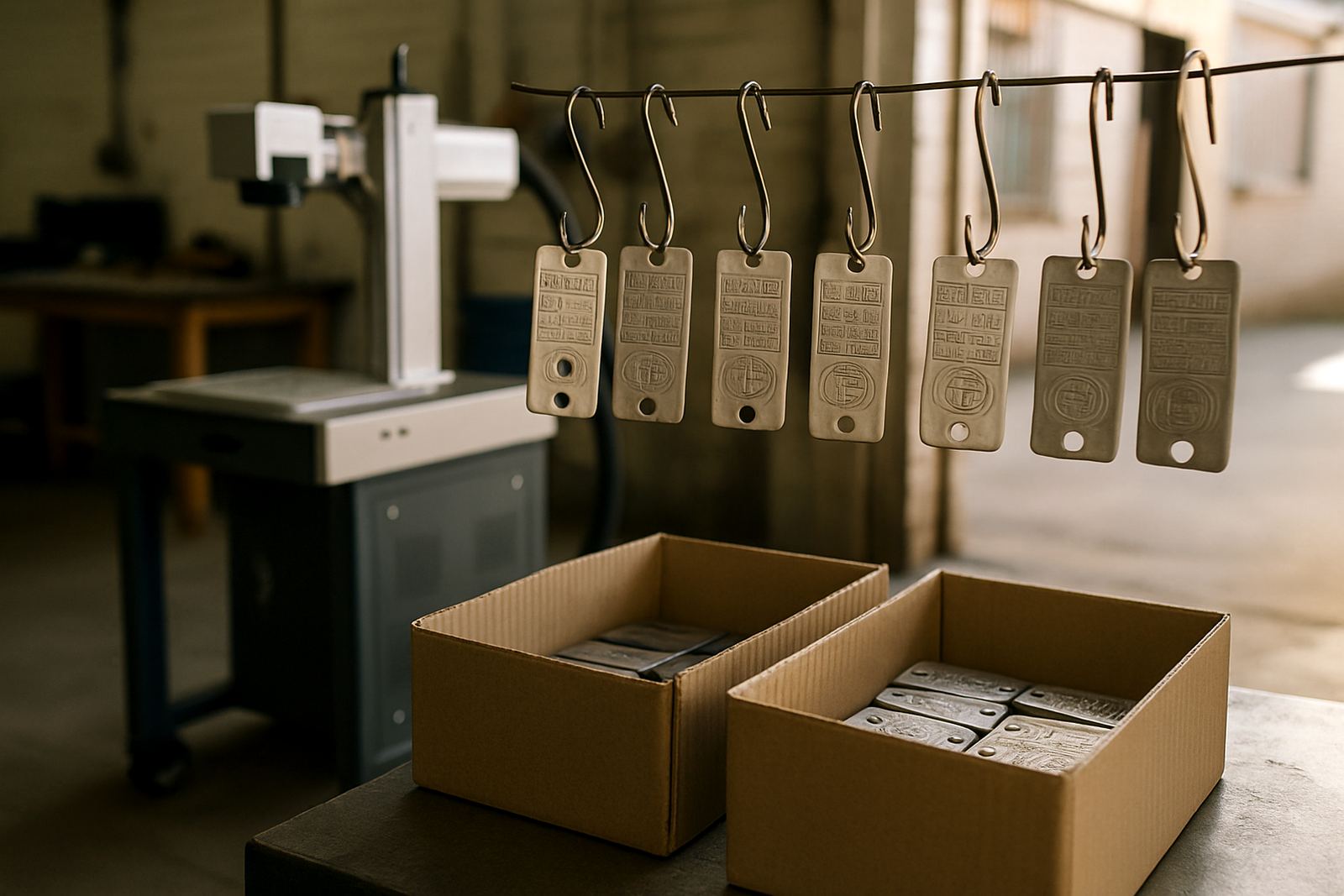
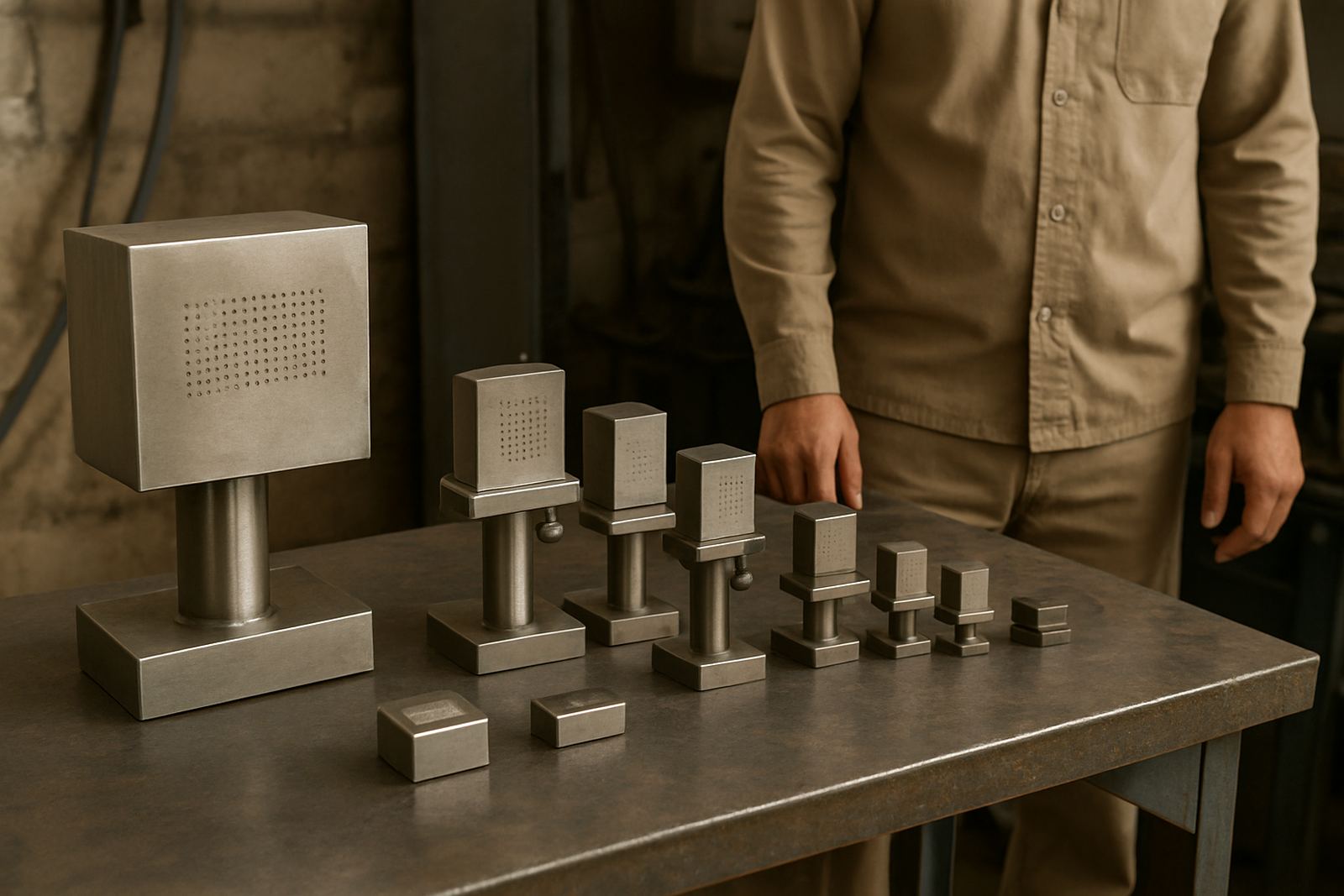
The work included fibre laser marking on supplied plates and selected components, plus a few test pieces for enclosure doors where the label position needed to suit hinges and locks. We also assisted with software setup so the client could reuse templates for future jobs instead of building every file from scratch. A small fixture set was arranged for repeat sizes, which helped with alignment and made the runs quicker to process.
- Fibre laser marking for permanent text and symbols
- Sample marking for sign-off before the full batch
- Template setup for repeat panel schedules
- Fixture design for smaller, repeated plate sizes
Project timeline from first sample to final delivery
The full job ran over three weeks. Week one was for brief capture, file checking and sample marking. Week two covered the main production run, including the plates for the first set of panels and a second approval round for the smaller labels. Week three was used for the remaining batch, plus final quality checks and packing for collection and site dispatch.
The turnaround stayed steady because the work was split into batches rather than waiting for every item to be ready at once. That approach suited the client’s own build sequence and kept the workshop moving. It also gave us time to correct one or two small layout changes after the first sample, instead of discovering them when the panels were already wired.
Because the client was juggling installation dates and supplier deliveries, the schedule had to remain flexible. We kept communication direct and practical, with each stage confirmed before moving on. That helped prevent delays and made the handover easier for their team.
Results on the workshop floor and on site
The finished plates and enclosure labels gave the client a clean, repeatable look across multiple builds. More importantly, the markings stayed sharp and easy to read after handling, fastening and transport. Their electricians could match tags to drawings more quickly, which reduced questions during final checks and site commissioning.
The workshop team also found the repeat templates useful for future jobs. They could duplicate the same layout for similar panels, then adjust only the circuit numbers or equipment name. That cut down on rework and kept their identification standard consistent from one project to the next.
- Cleaner identification on every panel build
- Faster panel checks for electricians and inspectors
- Less rework when labels needed updating
- Reusable templates for repeat work
What we would do again for a similar Alberton job
For a similar panel builder in Alberton or nearby areas such as Wadeville, Boksburg or Kempton Park, we would follow the same approach. Start with sample marking, confirm the content against the panel schedule and lock in the plate sizes before production. That process keeps errors low and makes it easier to cope with late changes, which happen often on live projects.
We would also keep using fixtures for smaller tags and pre-set layouts for repeat panels. It saves time and gives a neater finish, especially where the client needs the same style across many builds. If the job included outdoor enclosures or coastal deliveries, we would also check the material choice more carefully and make sure the mark suit the environment, not just the drawing.
For panel shops working through load-shedding, scheduled maintenance and tight handover dates, the key is to keep the marking process predictable. That was the value in this project: clear labels, quick approvals and a result that held up in daily use.
Key facts
| Client type | Panel builder supplying industrial control panels |
|---|---|
| Town | Alberton |
| Work completed | Clear identification plates and enclosure labels |
| Materials marked | Stainless steel, anodised aluminium and coated metal surfaces |
| Timeline | 3 weeks from sample to final batch |
| Service scope | Sample marking, software setup, fixture design and process support |