Built For Deeper Marks On Hard Metal Parts
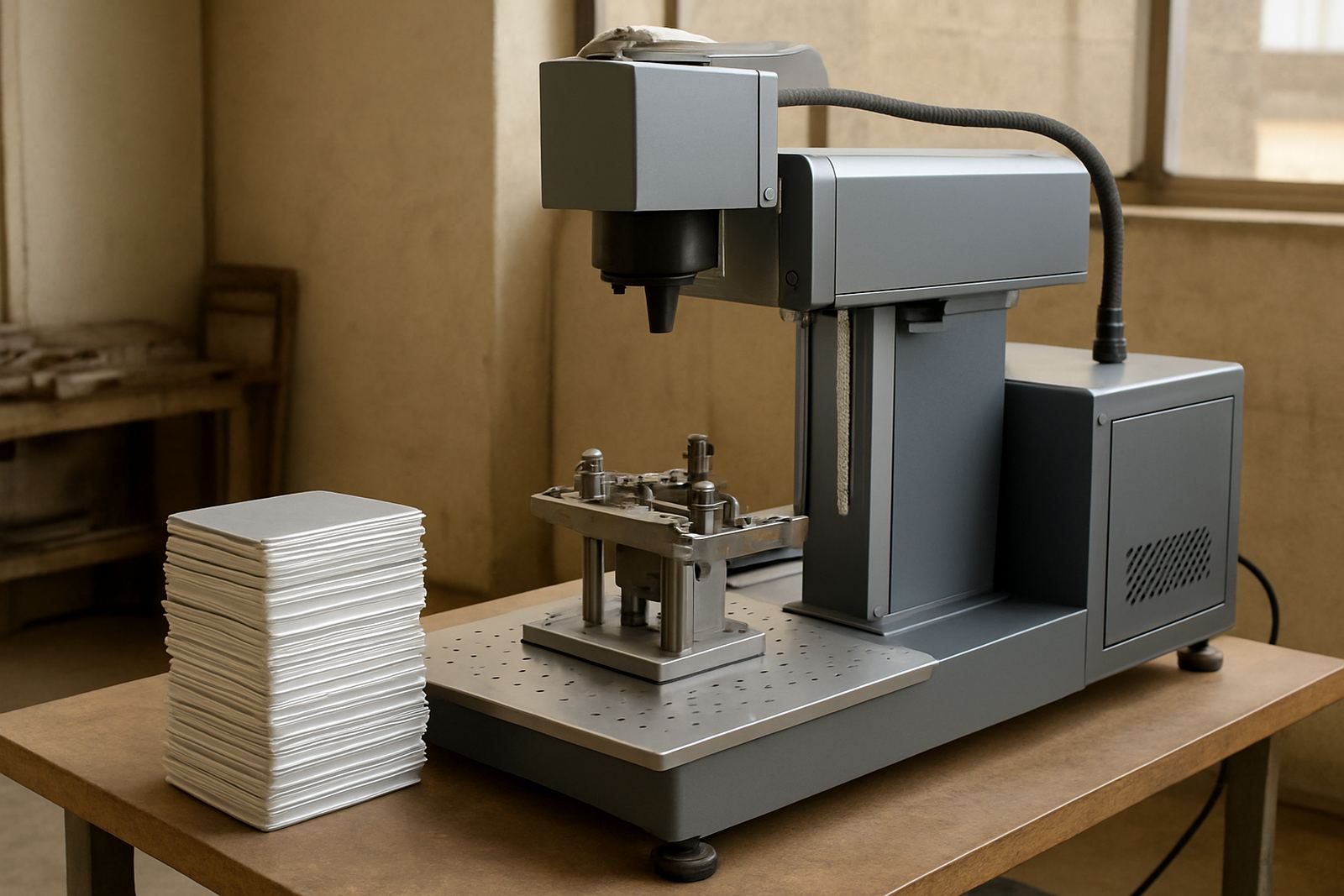
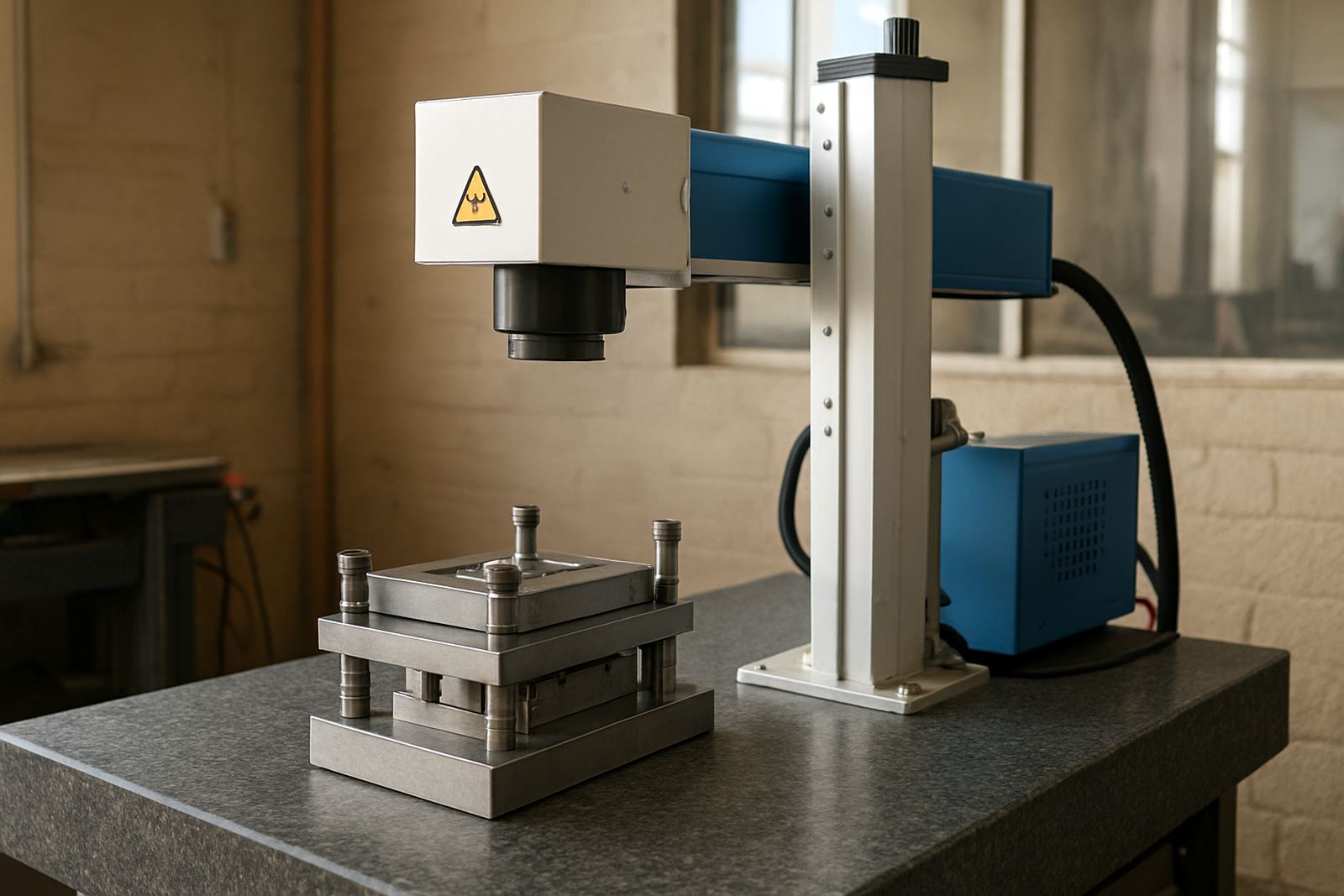
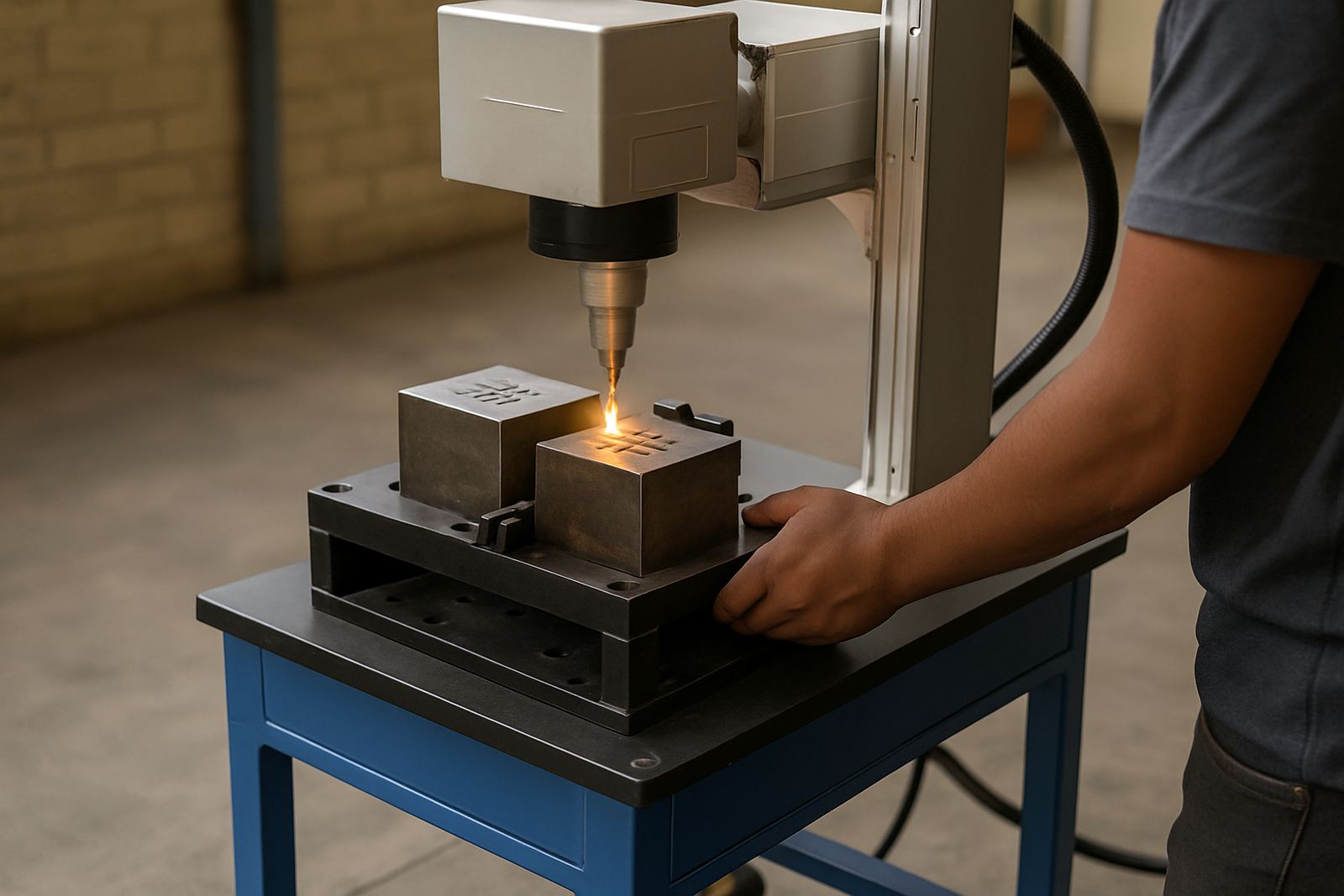
The 100W Deep Marker is a fibre laser marking unit set up for heavier engraving work on metal components where standard marking depth is not enough. It is commonly used for serial numbers, tool identification, mould codes, part traceability, asset tags and durable branding on items that face wear, oil, heat and cleaning chemicals.
Because the beam is concentrated and the marking head is fixed for accurate control, the unit can produce crisp characters and logos with very fine detail. It is a practical choice for job shops and production departments that need more depth than a light marking machine can give, but do not want the slow cycle times of older mechanical methods.
- Deep engraving for traceability and part ID
- Suitable for flat, slightly curved and fixtured parts
- Clear marks on steel, stainless steel, aluminium, brass and coated metals
- Good for repeat work with consistent position and depth
Where The 100W Deep Marker Suits Best
This model suits industrial users in Gauteng, KwaZulu-Natal, the Western Cape and coastal areas where metal parts must hold up in humid conditions. It is a useful option for engineering shops in Wadeville, Jet Park, Isando, Kempton Park, Boksburg and Alberton, as well as manufacturers that need reliable marking for export or local compliance.
Typical applications include tooling, dies, machine components, fittings, plates, tags, automotive parts, firearm accessories where lawful, stainless kitchenware components, valves and custom made brackets. It can also handle small batch work for jewellery and promotional items if the finish needs to stay neat, though this machine is mainly aimed at deeper industrial marking.
If you are marking items that get handled often, cleaned with solvent or exposed to dust and vibration, a deeper laser mark helps keep the information visible. That matters on plant floors where labels and stickers do not last.
Sizes, Work Area And Available Options
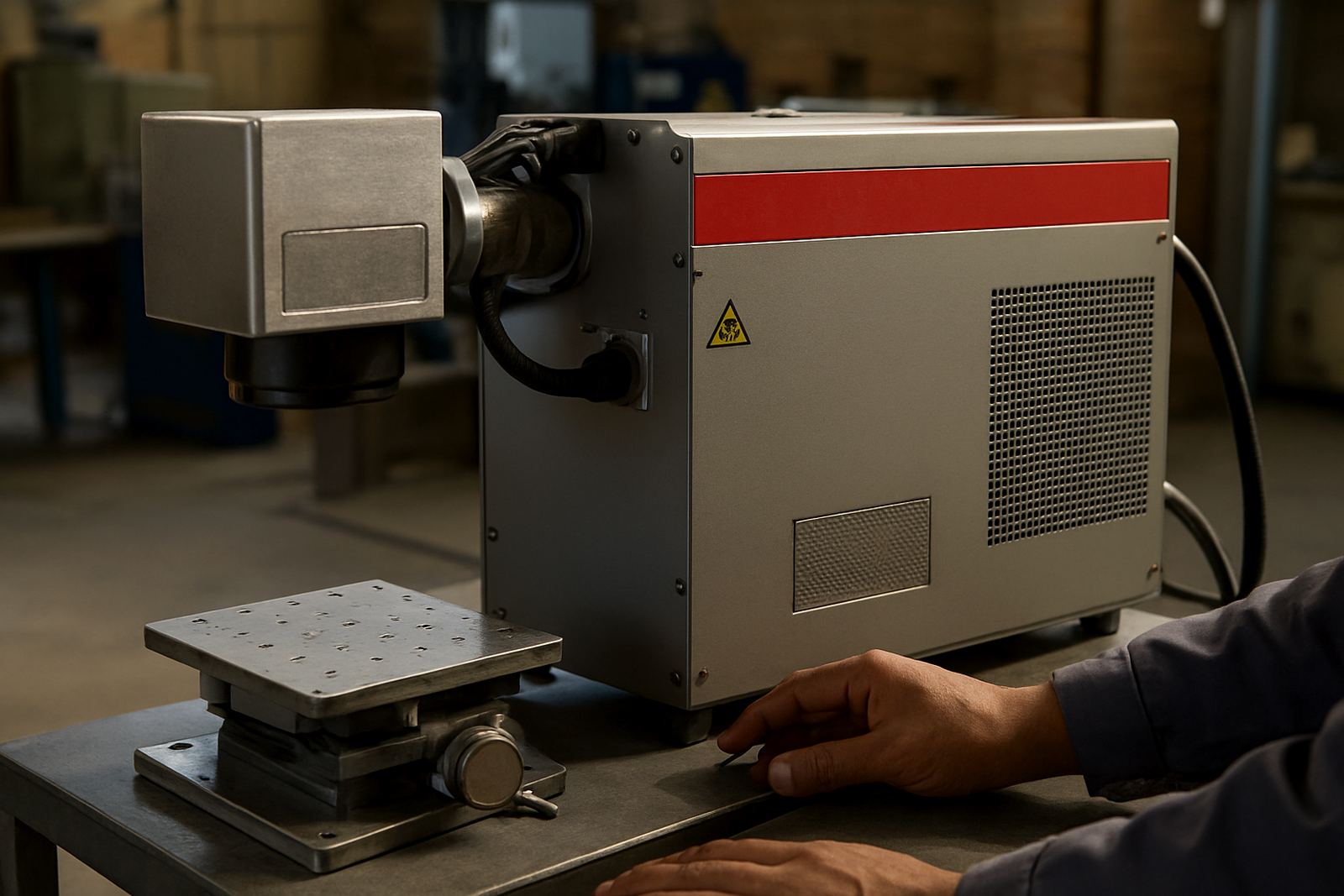
The 100W Deep Marker is usually supplied as a benchtop fibre laser system with a separate control cabinet or integrated control section, depending on the setup required. Table size and marking area can be matched to the parts you process, from smaller plates to larger jigs and fixtures. The exact field size depends on the lens selected, so it is important to confirm the application before ordering.
Common options include rotary marking for shafts and rings, adjustable stand height, enclosed safety cabinet options, extraction preparation and custom fixtures for holding irregular parts. For higher volume work, a dedicated jig can make loading faster and improve consistency from one part to the next.
- Typical marking area options: 110 x 110 mm, 150 x 150 mm, 200 x 200 mm
- Typical machine size: benchtop unit with control box and marking head
- Optional rotary attachment for cylindrical work
- Fixture design available for repeat parts and batch production
Power, Setup And Site Requirements
This unit runs on standard electrical supply, with the exact input confirmed at quotation stage according to the machine configuration. For most South African workshops, stable power is important and a small surge protected supply or suitable backup plan is worth considering during load-shedding. The fibre source itself does not need gas for the marking process, which keeps day to day running simple.
Installation is normally carried out at your site, and the machine should be placed on a stable surface with enough room for loading parts and using the control PC. Good lighting helps when setting focus and checking mark position. In dusty workshops or places with grinding activity, it is sensible to keep the area clean so the optics and motion parts stay in good condition.
- Needs a stable electrical supply and surge protection
- No marking gas required for standard operation
- Works well in workshops with limited floor space
- Best placed away from heavy dust and vibration
Care, Calibration And Service Support
Like any marking system, this machine performs best when it is kept clean and checked properly. The lens, mirrors and protective windows should be inspected on a regular basis, and the focus position should be confirmed when changing material thickness or fixture height. If marks start to look shallow or uneven, the first step is usually to check the setup, not the machine itself.
Preventive maintenance can include focus calibration, software checks, fixture inspection and a review of marking speed, power and frequency settings for the material being used. For sites that run all week, scheduled servicing helps reduce downtime and keeps the mark quality steady. If a breakdown happens, remote assistance can often help with setup faults before a field visit is needed. Small issue on site can become a full stop if dust and heat are ignored.
- Regular lens and optics cleaning
- Focus calibration after setup changes or relocation
- Software setup and parameter review available
- Spare parts and breakdown repairs supported nationwide
What To Check Before You Order
Before ordering a 100W Deep Marker, confirm the exact material you need to mark, the depth you want, the size of the part and whether the mark must be readable after coating, heat treatment or polishing. A small test piece is ideal where the finish is important, especially on stainless steel and plated parts. If the workpiece has a curve or uneven surface, a rotary unit or custom fixture may be needed.
It also helps to note your production pace, operator skill level and whether the machine will be used in one place or moved between sections. If you plan a site relocation later, tell us upfront so the installation can be planned with that in mind. For export work or municipal asset tagging, check the character height, serial format and legal marking needs before the machine is commissioned.
- Material type and required marking depth
- Part size, weight and shape
- Need for rotary marking or custom fixtures
- Power availability and workshop layout
- Whether you need sample marking before purchase
Key facts
| Laser source | 100W fibre laser |
|---|---|
| Marking type | Deep engraving, serialising, logos and fine detail |
| Materials | Steel, stainless steel, aluminium, brass and coated metals |
| Typical marking area | 110 x 110 mm to 200 x 200 mm depending on lens |
| Power needs | Single phase supply, exact input confirmed to configuration |
| Options | Rotary attachment, fixtures, software setup and focus calibration |