What the 30W Benchtop Marker is for
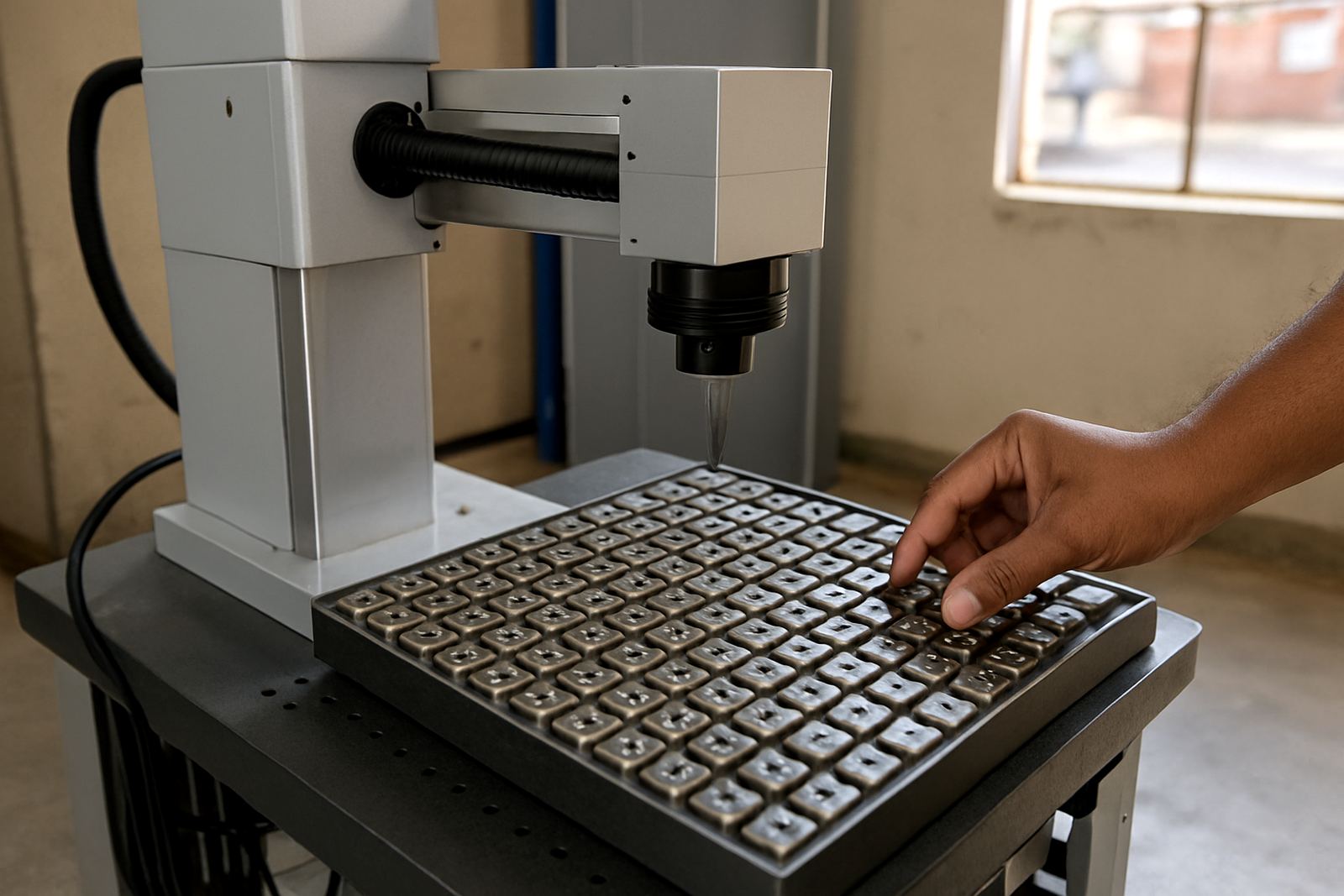
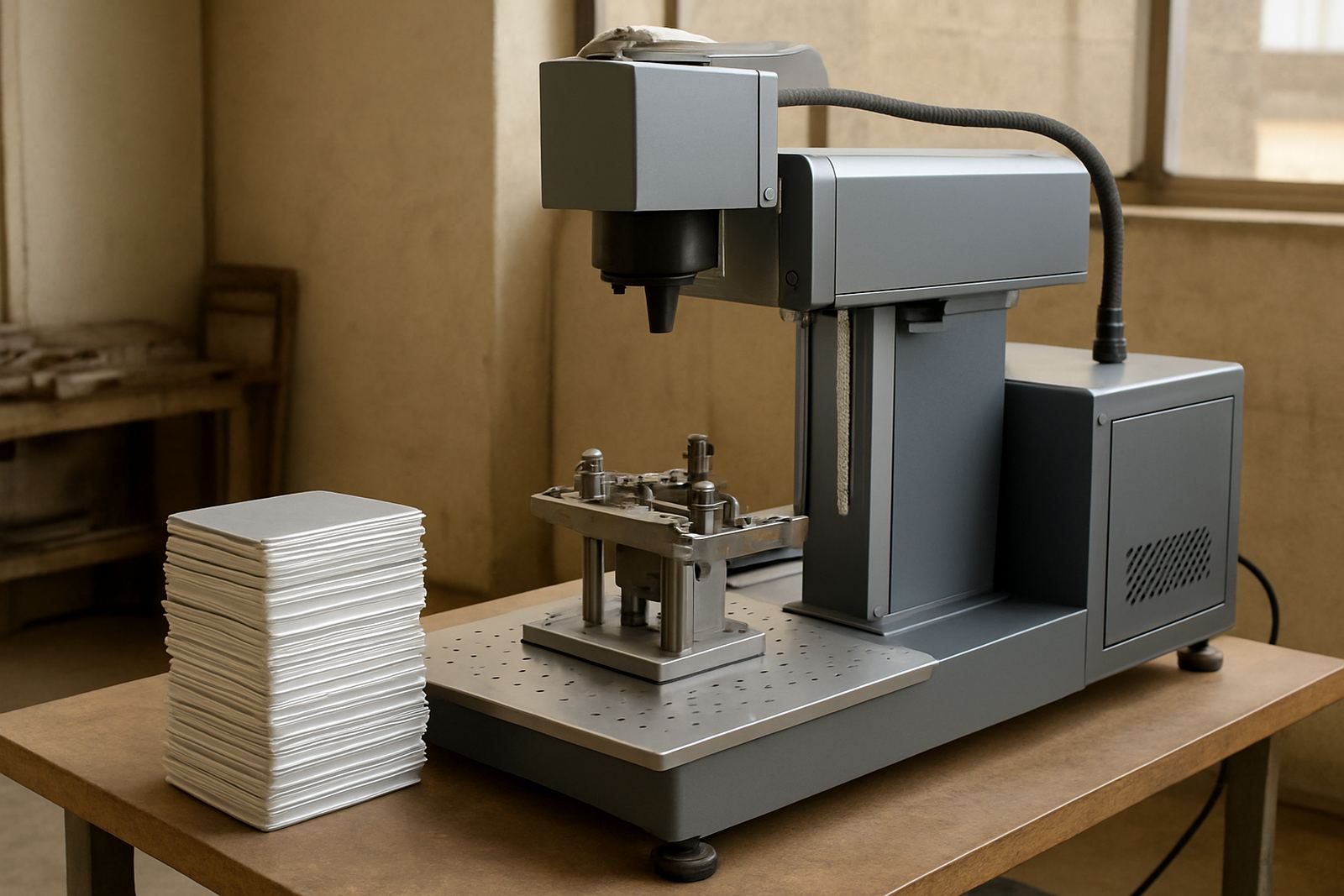
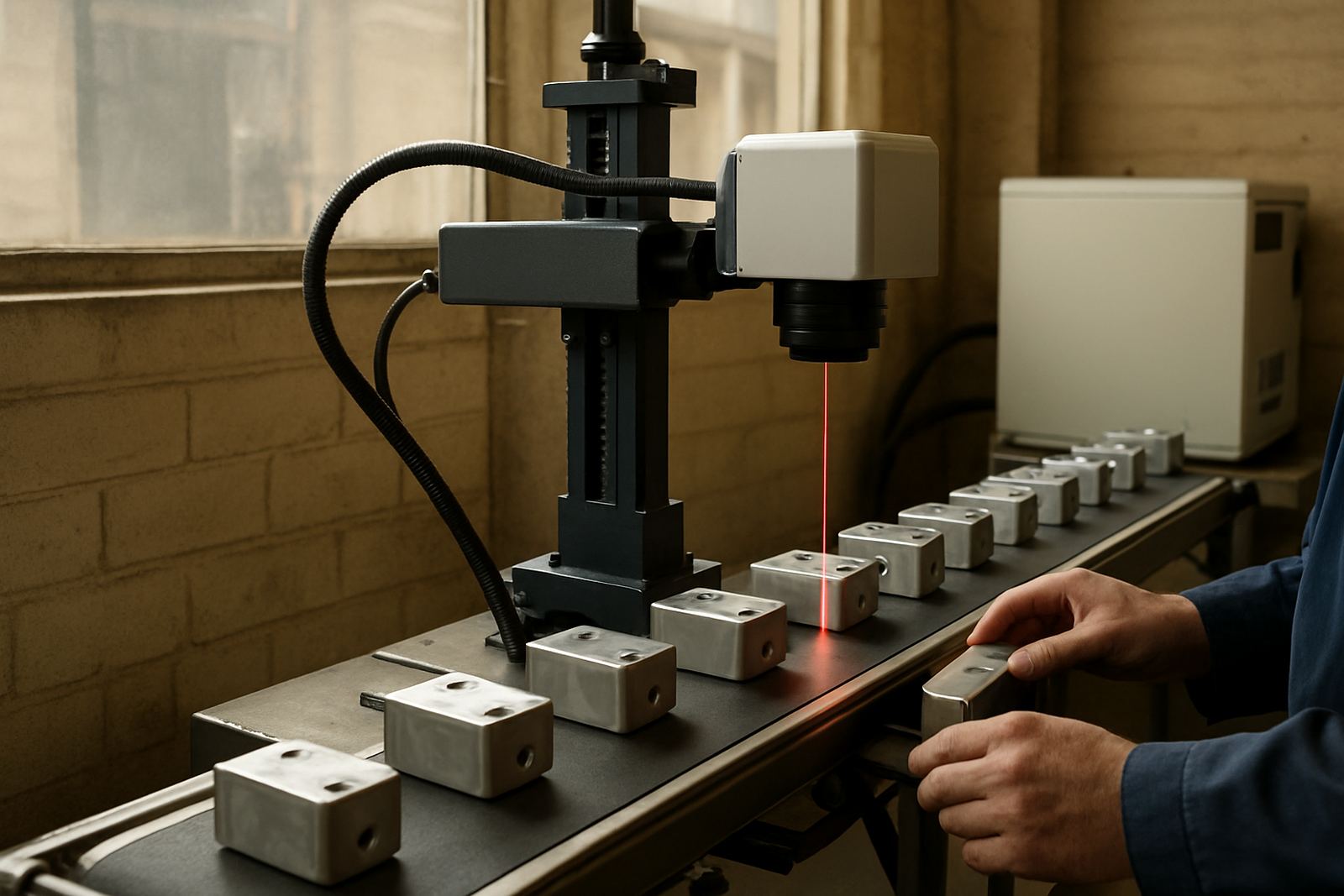
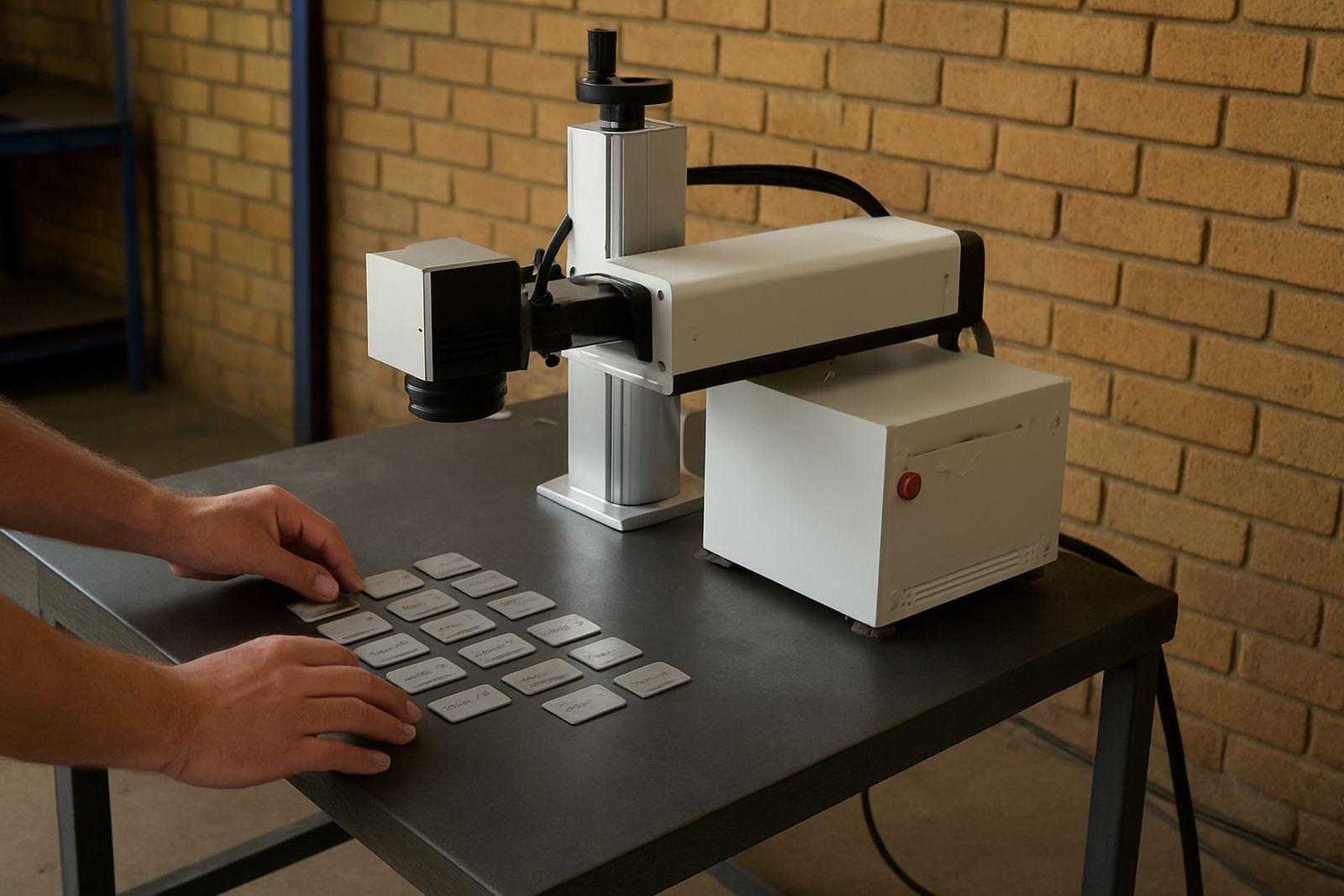
The 30W Benchtop Marker is a compact fibre laser marking and engraving system designed for metal parts, small assemblies and jewellery work. It is suited to serial numbers, part codes, logos, barcodes, QR codes and fine decorative marking where detail matters and the mark must stay readable over time. Because the laser works without inks, stamps or consumables for the marking process itself, it keeps day to day running tidy and predictable.
This 30W unit is a good fit for workshops that want faster marking on stainless steel, mild steel, aluminium, brass, copper and coated metals. It is also used on some plastics and treated surfaces, depending on the material and the finish you need. For clients in Gauteng, the compact benchtop format is useful where floor space is tight and the machine has to sit in a small production bay or a secure marking room.
Typical sizes, working area and setup options
Benchtop fibre laser markers are usually selected by lens size and marking area. The exact field size depends on the lens fitted, with common working areas used for fine detail, medium part marking and larger batch work. A smaller field gives tighter detail for jewellery and small components, while a larger field is handy if you need to mark jigs, nameplates or broader surface areas in one pass.
When ordering, it helps to match the lens and machine layout to the part you mark most often. If you work with rings, tags, small brackets or tools, ask about a rotary option and fixture support. If your parts change often, a flexible worktable and adjustable focus height make set up faster and reduce mistakes. The right combination saves time on repeat jobs and helps keep your marks centred and neat.
- Working area matched to the lens fitted
- Adjustable focus height for different part thicknesses
- Optional rotary fixture for rings, tubes and curved parts
- Custom jigs for repeat jobs and small batch work
Where this model suits best
This model suits workshops and production teams that need precise marking with short turnaround times. It is commonly used in light engineering, security marking, electrical parts, fabrication, jewellery finishing, spares tracking and general manufacturing. The mark is fine enough for small text and codes, but strong enough to stay visible after handling, cleaning and normal wear.
In South African conditions, a benchtop fibre laser also helps when you need control over dust, vibration and access. In coastal areas, for example, clean marking on stainless parts can help with traceability when moisture and salt are a factor. In inland workshops, it is useful for batch identification on parts that move through cutting, welding, assembly and dispatch. It is a practical choice for businesses that want to mark in house instead of sending parts out, which often slows down the job.
- Metal part traceability and batch coding
- Jewellery marking and fine detail engraving
- Tool, bracket and component identification
- Small batch production and workshop use
Power needs, ventilation and site requirements
The 30W Benchtop Marker is straightforward to install, but it still needs the right conditions to perform properly. A stable single phase power supply is normally enough for the marking system and its control equipment, though the exact requirement should be confirmed before delivery. If your site has load-shedding, it is worth planning for backup power or a controlled shutdown so the machine and software are not interrupted mid job.
Most benchtop systems do not need process gas for standard metal marking, which keeps running costs low. You do need a clean, dry area with stable bench support, limited dust and enough room for the operator to load parts safely. In humid or coastal areas, keeping the machine covered when idle and storing sensitive items away from moisture helps protect optics and electronics. If the site is busy, consider where the operator stands, how parts move in and out, and whether the marking area needs screening for dust or airborne swarf. A small detail often missed is access for maintenance, so leave space around the unit for servicing and cable checks.
Installation, training and aftercare from Wadeville
Fibre Laser Marking is based in Wadeville, Germiston and supports clients across South Africa with installs and training. That includes setup on site, software configuration, marking tests and operator training so your team can use the machine confidently from the start. We also assist with sample marking, focus calibration and fixture design where a part needs a better hold or a more consistent result.
After the machine is running, regular care is simple but important. Keep the lens and work area clean, check alignment when changing fixtures, and schedule preventive maintenance before small issues become bigger ones. If a fault does appear, breakdown repairs and remote assistance can help reduce downtime. For businesses with more than one site, we also support site relocation and nationwide installs, which is useful when you move production or add capacity at another branch.
- Operator training for first time users and production teams
- Preventive maintenance to keep marks consistent
- Remote assistance for setup questions and faults
- Breakdown repairs and spares supply when needed
Key details to confirm before you order
Before you order, it helps to confirm the material type, the size of the marking area and the exact mark you need. If you are doing serial numbers or codes, tell us the character height and how often the data changes. For jewellery work, bring sample pieces if possible so the focus, surface finish and marking depth can be tested properly. If your parts are oily, curved or already coated, mention that too because it affects the fixture design and the settings used.
You should also check whether you need a rotary attachment, extraction support, a custom jig or a larger field size. If the machine is going into a shared production space, think about operator flow, power points and storage for parts. On some sites the real issue is not the marker itself, it is how the parts arrive and leave the station. A bit of planning upfront can save hours later and help your team avoid rework.
Key facts
| Laser power | 30W fibre laser source |
|---|---|
| Machine format | Benchtop marking system |
| Suitable materials | Stainless steel, mild steel, aluminium, brass, copper and selected coated metals |
| Marking types | Text, serial numbers, logos, QR codes, barcodes and fine engraving |
| Typical utilities | Single phase power, no process gas for standard metal marking |
| Support | Installation, training, calibration, maintenance and nationwide assistance |