Compact marking for tight workshop spaces
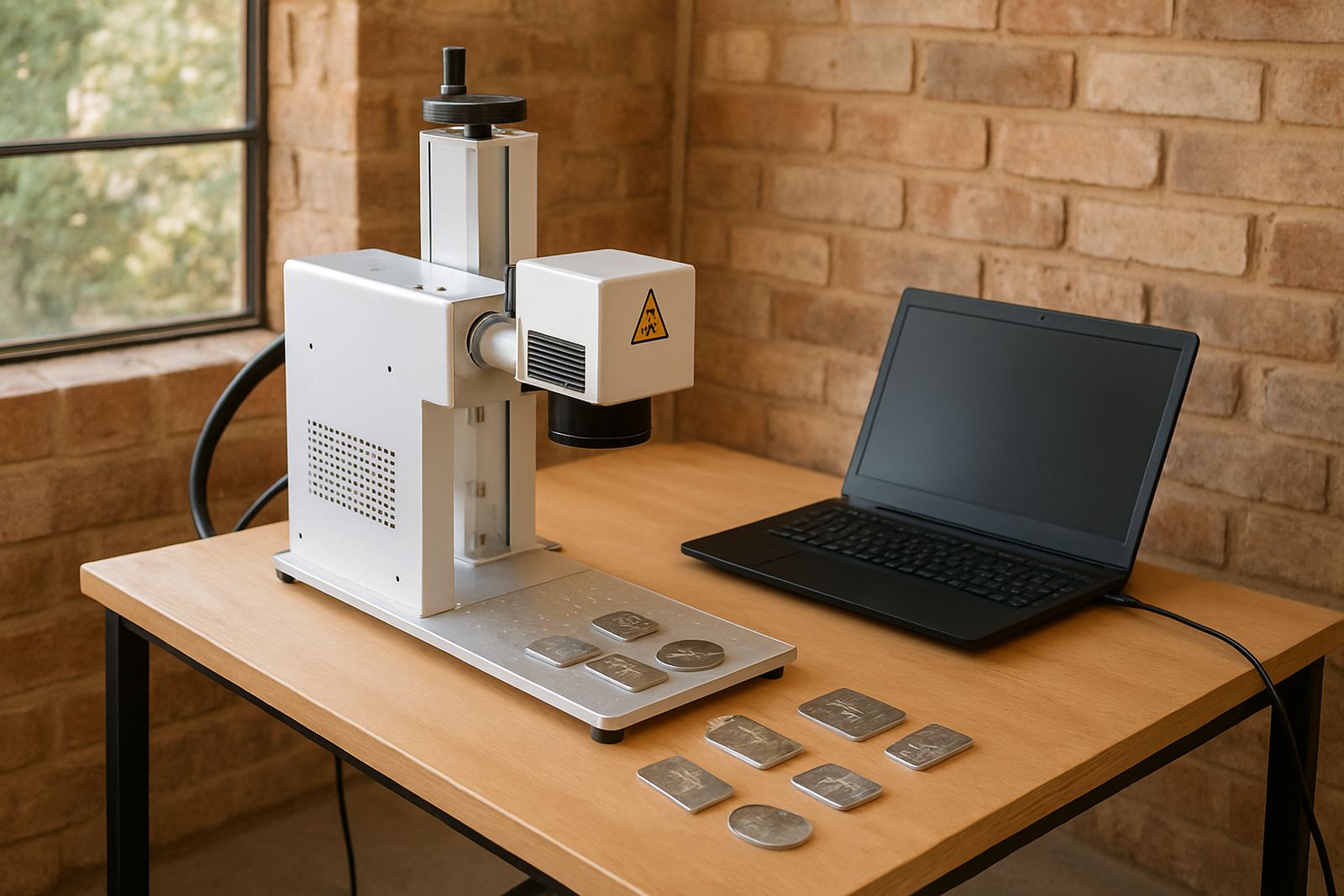
The Mini Marker is built for businesses that need accurate marking but do not have room for a full-sized machine. It fits neatly into small production areas, tool rooms, repair shops and light manufacturing spaces where every square metre counts. The unit gives clean, permanent marks on metals such as stainless steel, mild steel, aluminium, brass, copper and coated surfaces, and it is also well suited to finer work like jewellery pieces and small components. If your team needs serial numbers, batch codes, logos, QR codes or part identification, this machine keeps the mark sharp and consistent.
Many customers choose a compact machine like this because the marking area is straightforward to manage and the operator can reach the part easily. That helps with setup time and repeat work. It is also a practical choice for businesses in Germiston, Wadeville, Jet Park and Isando where floor space is often shared between packing benches, stock racks and other equipment.
Sizes, layout options and marking area
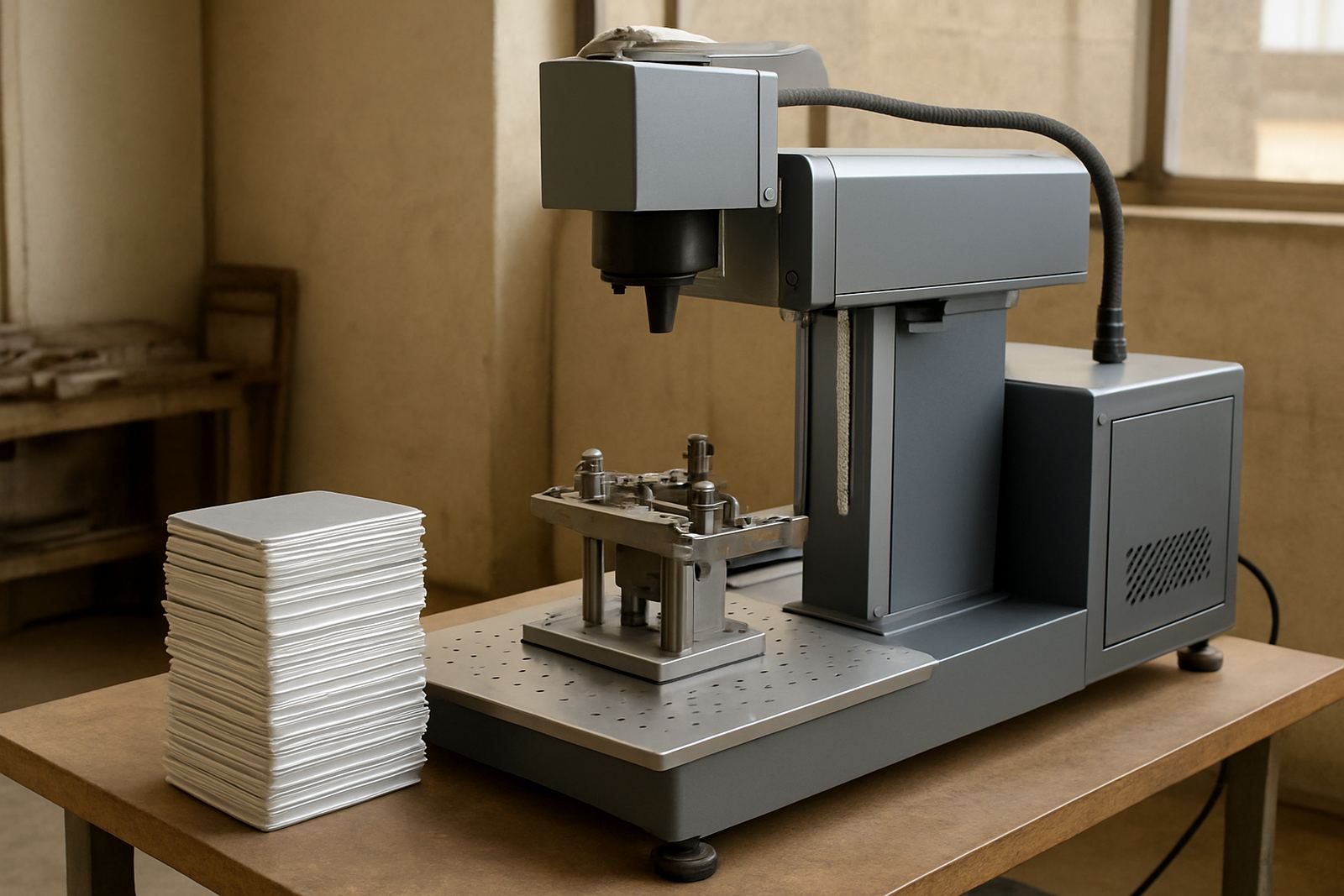
The Mini Marker is usually supplied as a benchtop style unit with a separate control section, or as a compact enclosed setup where the work area stays protected. The right layout depends on the parts you mark, the batch size and how often the operator changes jobs. For a jewellery workshop or a small fabrication team, a smaller marking field is often enough. For general metal parts, a wider marking field may be better if you handle nameplates, machine plates or multiple small items in one cycle.
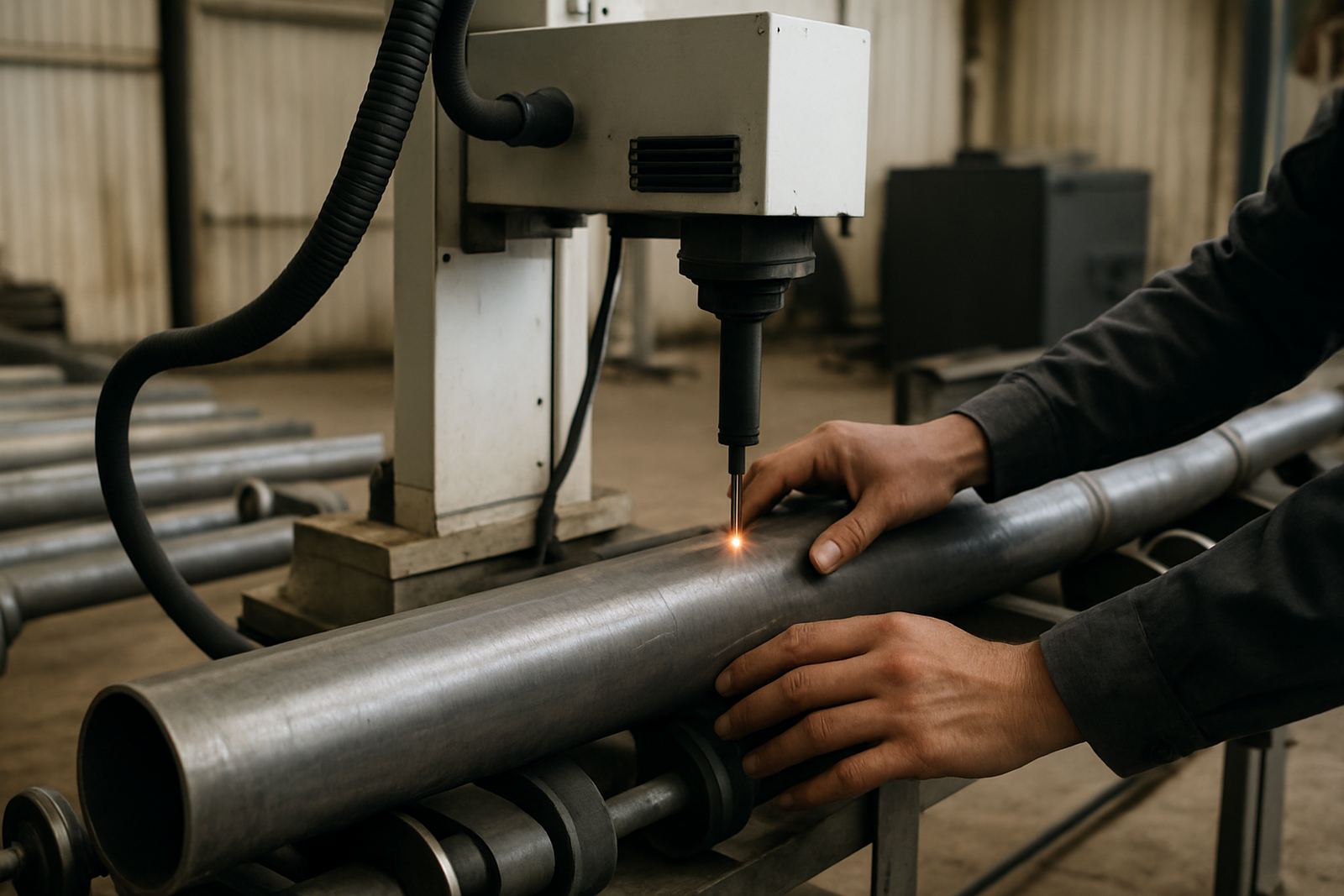
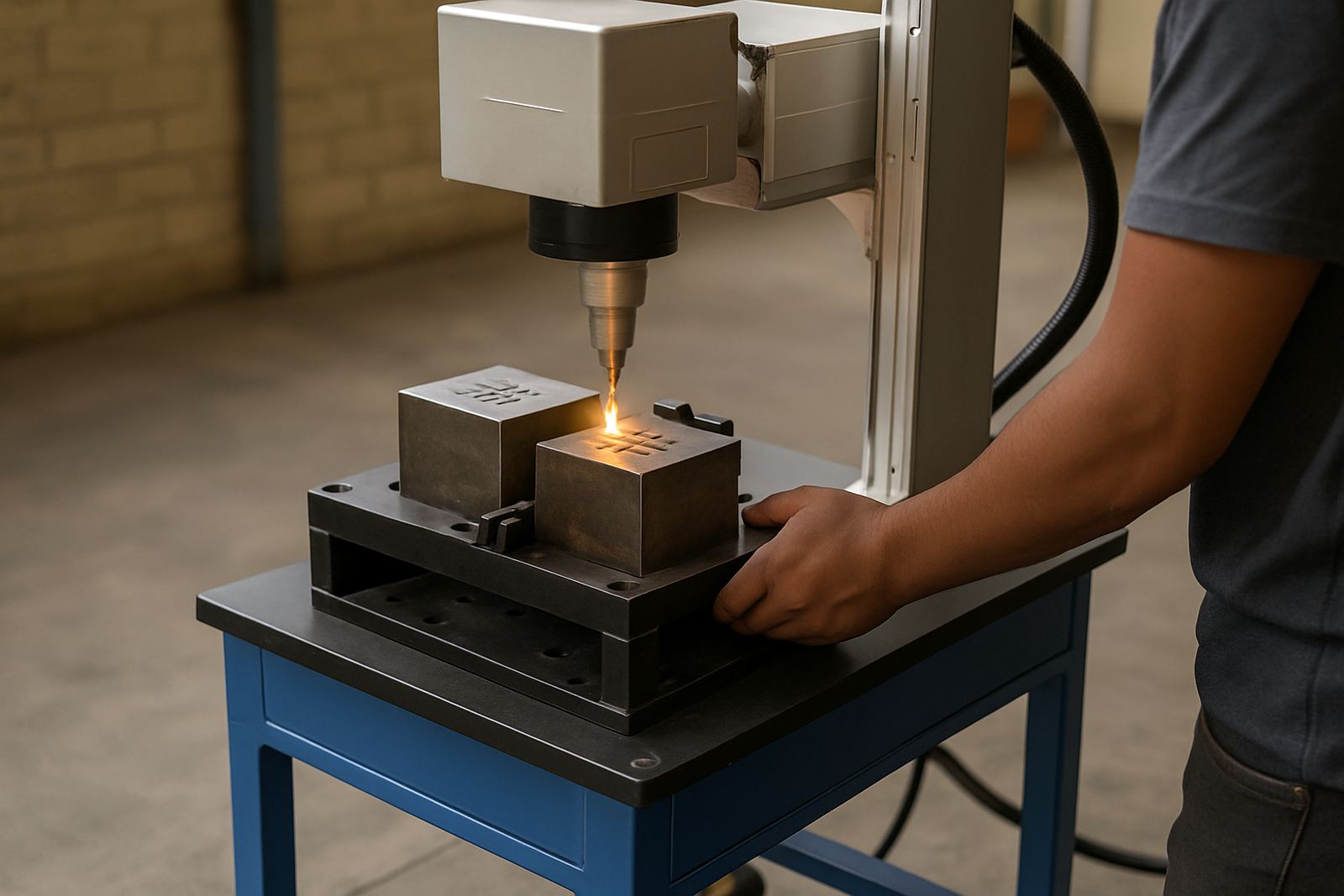
Common options include a manual focus arrangement, a precision XY table for positioning small parts, and fixture plates for repeat work. If you mark round items like rings, tubes, collars or small cylinders, a rotary attachment can help keep the text level and accurate. The machine can also be set up for barcodes and small data plates where neat alignment matters. In practice, the best setup is the one that matches the part size and keeps the operator from fussing too much with clamping.
- Small marking field for fine detail work
- Benchtop layout for limited floor space
- Optional rotary for round parts and jewellery
- Fixture plates for repeat production runs
Where the Mini Marker suits best
This unit suits workshops that need permanent marking on metal items without moving to a larger production line. It works well for engineering shops, electrical panel builders, jewellery makers, tool rooms, spares departments and small contract manufacturers. Businesses that do short runs, mixed batches or urgent one-off jobs often prefer a compact fibre laser because it is quick to set up and does not need consumables for every mark.
It is also useful where traceability matters. Many South African manufacturers now need clear part identification for audits, stock control and downstream assembly. The Mini Marker helps with that on items that may get oily, handled often or exposed to coastal humidity. Marks stay readable after cleaning and general wear, which makes the machine practical for parts that move through stores, dispatch and site work. For workshops dealing with load-shedding schedules, it helps that fibre laser systems are efficient and do not draw heavy power like some older marking methods.
- Engineering and fabrication workshops
- Jewellery and gift engraving
- Electrical and spares identification
- Small batch production and tracing
Installation, power and workshop setup
Installation is usually straightforward, but the unit still needs proper placement and a clean working area. A stable bench or stand is important, as vibration can affect consistency when marking tiny text or detailed graphics. The machine typically runs from standard single-phase power, making it suitable for most workshops and small factories. Exact power requirements depend on the configuration, but the load is generally light compared with larger production equipment.
Good lighting, safe cable routing and enough space for the operator to load parts are worth planning from the start. If you are working in a dusty area, the machine should be kept away from grinding stations and open cutting areas. For enclosed setups, a suitable exhaust or fume extraction arrangement is recommended, especially when marking coated metals or treated surfaces. In some workshops a clean compressed air supply is also used for light clearing around the work area, though the machine itself is not dependent on gas in the way that cutting systems are. Our team can advise on the best position, power point access and workflow before installation, so the machine slots into the shop without drama.
Care, servicing and uptime planning
Fibre laser marking machines are known for low maintenance, but they still need regular care if you want steady output. Keep the lens and protective glass clean, check that the work table is free of swarf and dust, and make sure the cooling and ventilation areas are not blocked. If the machine is used every day, a short cleaning routine at the start and end of shift is a smart habit. It avoids heat build-up and helps the operator catch small issues early.
Preventive maintenance is worth scheduling, especially for sites that run long hours or move the machine between jobs. We can assist with focus calibration, software setup, breakdown repairs, spares supply and remote assistance when needed. If the unit is installed in a busy Gauteng workshop, regular checks can save time later and reduce stoppages during urgent orders. Training matters too, because a well-trained operator is less likely to push settings too far or waste time redoing a batch.
What to confirm before placing an order
Before you order a Mini Marker, it helps to confirm the size of the parts you will mark, the type of material, and how detailed the mark must be. A small jewellery workshop needs different setup choices from a maintenance department marking steel tags all day. You should also check whether you need a rotary, a larger marking field, a fume extraction point or custom fixtures for repeat work. If you plan to mark serial numbers that must be readable after powder coating or exposure to the elements, that should be discussed at the start.
It is also useful to confirm how the machine will be used on site. For example, if you share one workstation between different operators, the software and fixture design should be simple enough for fast handover. If your business works from a site in Alberton, Boksburg or Kempton Park, local install planning can save travel time and limit disruption. A few details up front make the difference between a unit that just sits there and one that gets used every day.
- Part size and marking field needed
- Material type and surface finish
- Text size, logos, codes or serial data
- Need for rotary, fixtures or extraction
- Single operator use or shared workstation
Local support from Wadeville, Germiston
Fibre Laser Marking is based in Wadeville, Germiston, and supports customers across South Africa with machine installation, operator training, software setup and remote assistance. We also handle sample marking, process optimisation, site relocation and fixture design where a job needs a more practical hold-down or repeatable workflow. Whether you are replacing a manual marking method or setting up a new station, the aim is to keep the machine useful from day one.
Our support areas include Wadeville, Germiston, Jet Park, Isando, Kempton Park, Boksburg and Alberton, with nationwide installs available for customers further afield. If you need a compact marking machine that can handle proper production work, the Mini Marker is a good fit for small spaces and demanding standards.
Key facts
| Machine type | Compact fibre laser marking unit |
|---|---|
| Typical use | Metal parts, tags, tools and jewellery |
| Marking quality | Fine, permanent, high-detail marking |
| Power supply | Single-phase workshop supply, low power draw |
| Options | Rotary attachment, fixtures, enclosed layout |
| Support | Installation, training, maintenance and repairs nationwide |