Permanent pipe marking for workshop and plant use
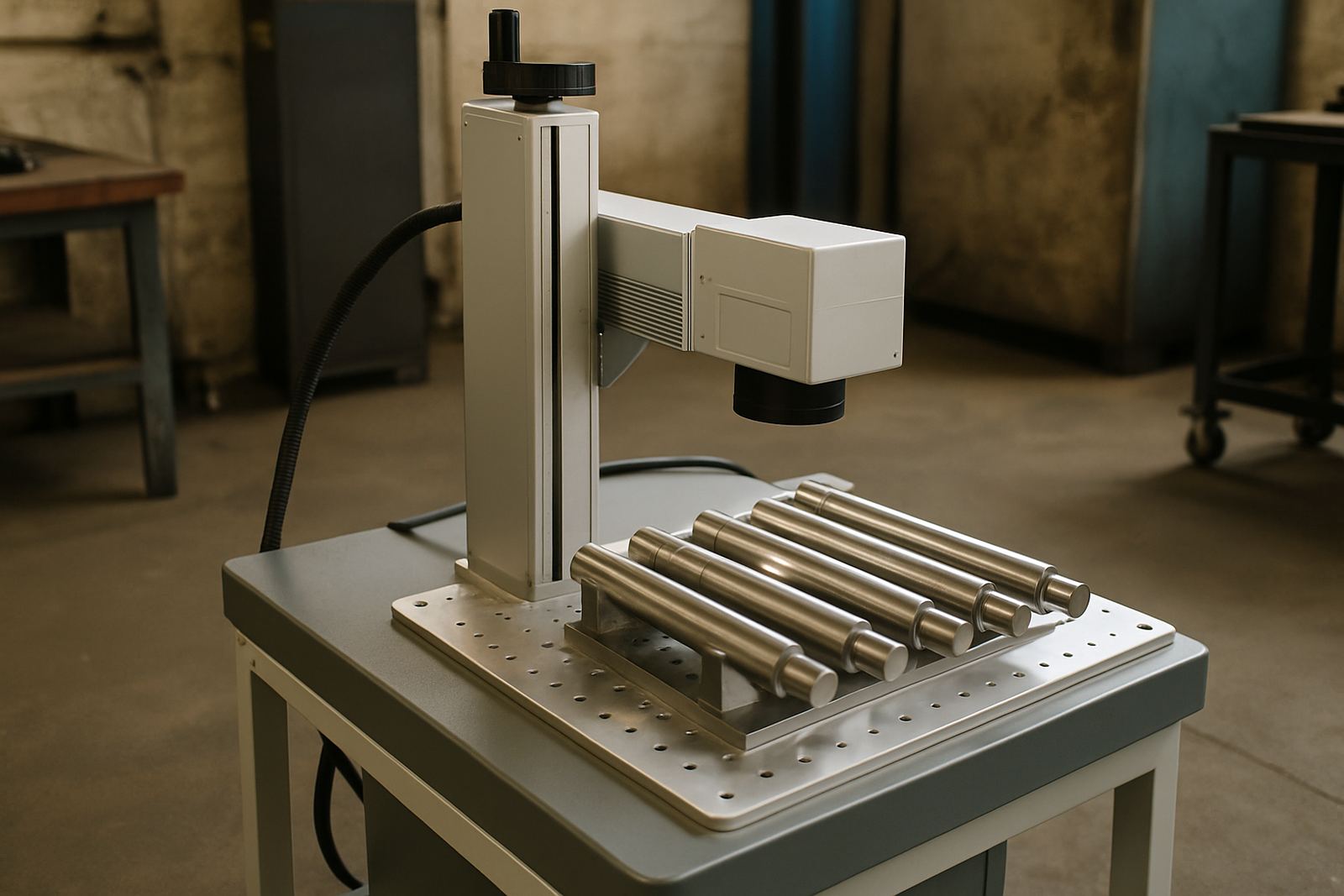
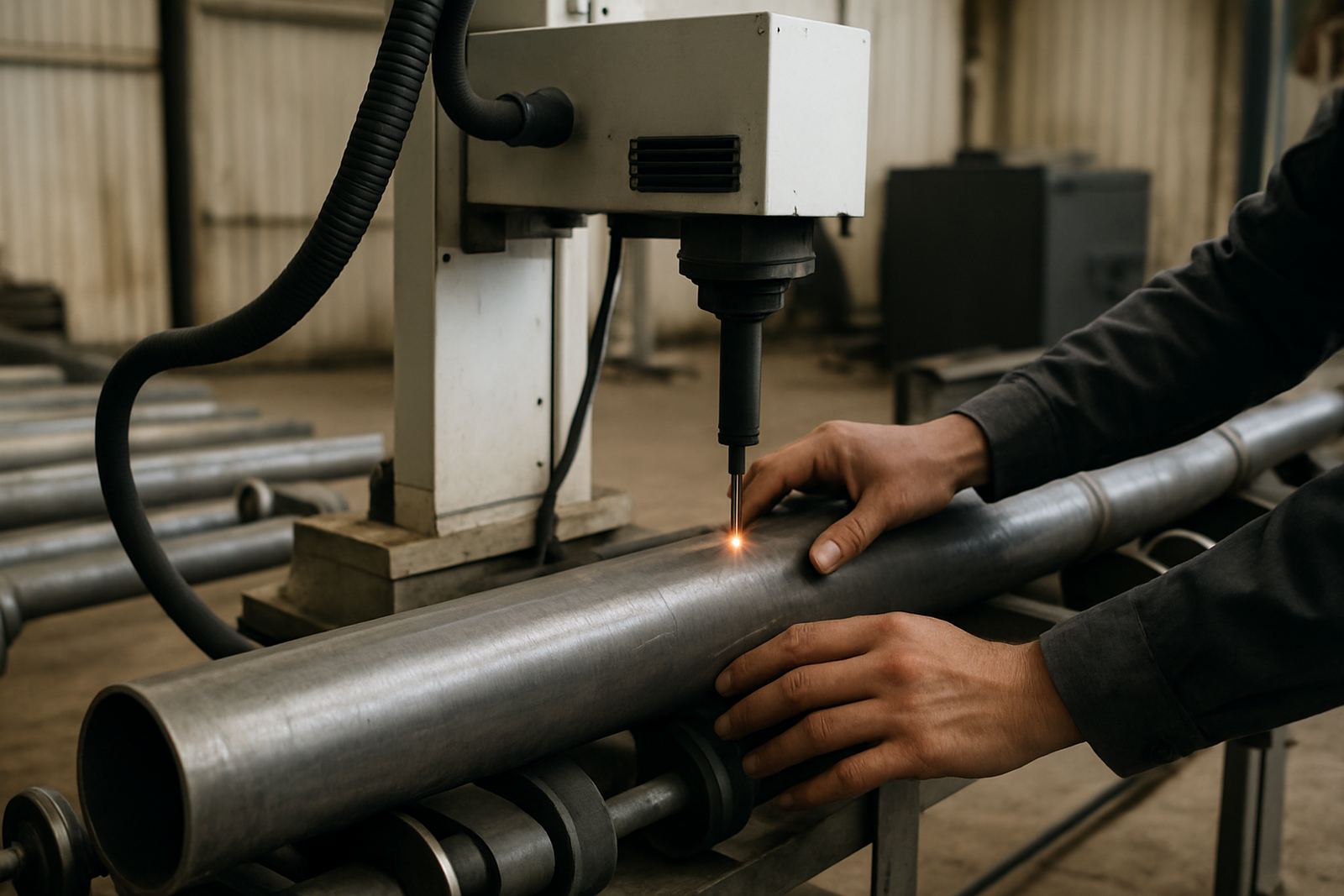
The Pipe Marker is designed for direct marking on steel, stainless steel, aluminium and other metal pipe sections. It is commonly used for part numbers, heat codes, batch numbers, flow direction arrows, sizes, job cards and asset references. Because the mark is made with a fibre laser, it sits into the surface or lightly alters the top layer, so it does not rub off like paint or tags can.
That matters on pipework that gets moved through fabrication, stored outdoors, exposed to oil mist or handled by multiple teams. It also helps during installation and maintenance because each pipe can be identified quickly without guesswork. In busy yards around Gauteng and coastal sites where humidity is high, a permanent mark saves rework and confusion later on.
Sizes, marking area and setup options
This marking package can be matched to different pipe diameters and production volumes. Smaller pipe sections for HVAC, plumbing and instrument work need a compact marking area, while larger process pipe or spool pieces may need a wider field and a fixture that keeps the pipe steady during marking. The right setup depends on how the pipe is presented, whether it is round, short, long or already cut to final length.
- Suitable for small diameter tube and pipe sections
- Works on short spools, long lengths and cut blanks
- Options for rotary holding, V-block support or custom jigs
- Marking area can be matched to your required text size and code format
- Visible text, symbols and code fields can be arranged in one pass
For customers who need repeatable marking on similar pipe sizes, fixture design is often worth planning upfront. A good holder keeps the pipe centred and reduces setup time between jobs. It also improves legibility when the pipe surface is curved, oily or not perfectly straight.
Where the Pipe Marker suits best
This product suits fabrication shops, chemical plants, water treatment sites, mechanical contractors, mining support workshops and general engineering teams. It is also useful for stainless pipe used in food, dairy and beverage environments, where traceability and clean marking are important. In these settings, permanent identification helps with stock control, quality checks and site compliance.
Pipe marking is especially useful when work moves between cutting, welding, pressure testing and installation. A clear mark can include the drawing reference, line number, size, material grade or inspection point. For businesses working under municipal or site rules, being able to trace a pipe section quickly can reduce delays and keep records tidy.
- Pipe spools and fabrication lines
- Process and utility pipework
- Workshop stock control and kitting
- Traceability on repair and replacement parts
Installation, power and site needs
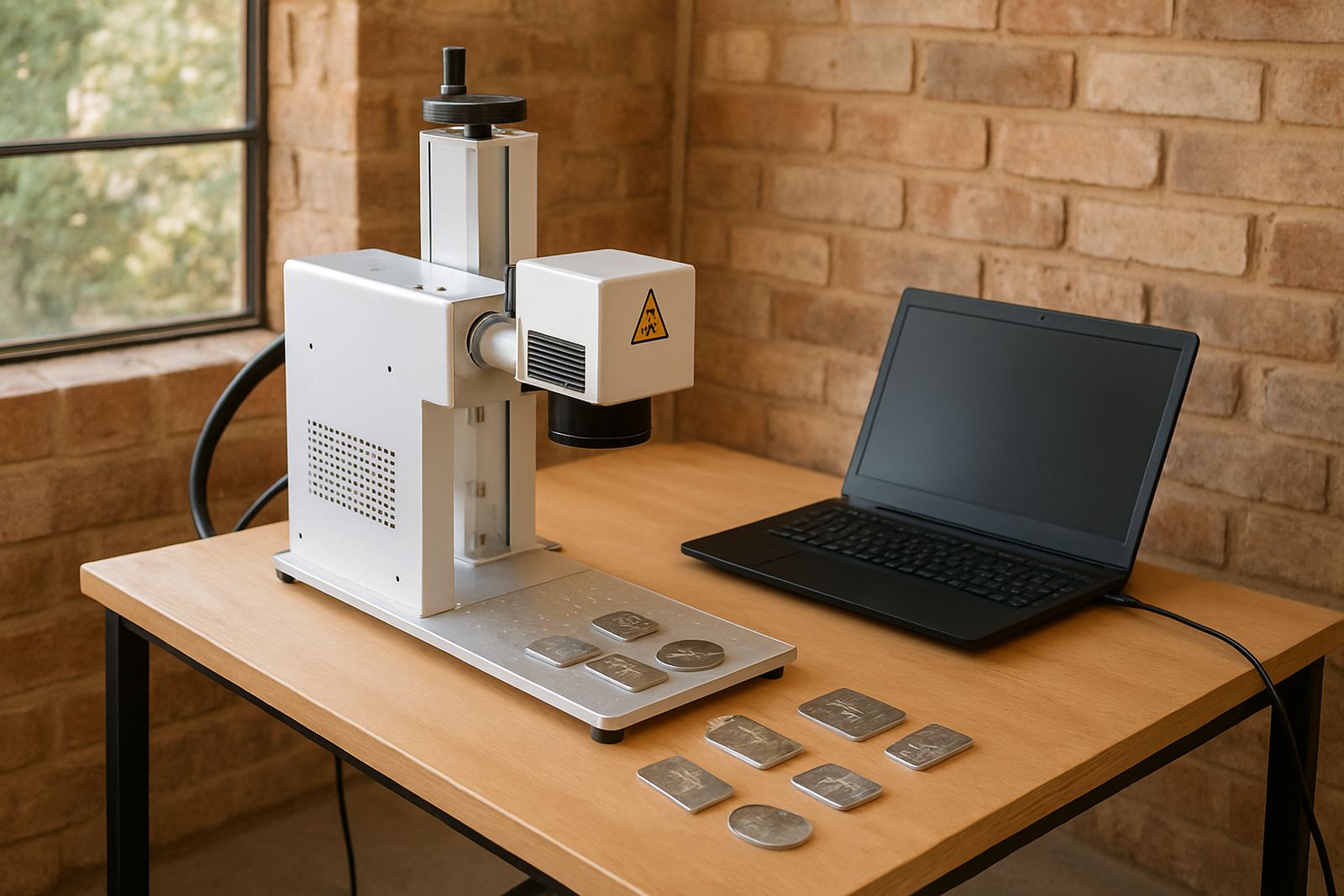
Installation is straightforward, but the marking quality depends on a stable setup and a clean working area. The machine needs a suitable bench or frame, correct ventilation and enough space for loading pipes safely. If the pipe is long or heavy, a roller support or loading aid is often used so the operator can position it without strain.
Power requirements depend on the exact configuration, but fibre laser systems are generally suited to normal workshop electrical supply with proper earthing. If your site is affected by load-shedding, a backup power plan or controlled shutdown procedure is wise so work is not interrupted mid job. For dusty workshops, enclosed marking areas and regular lens checks help keep results consistent.
- Stable bench or frame with safe pipe loading space
- Earthing and clean power supply recommended
- Ventilation or extraction for fumes and fine residue
- Backup power planning helpful during load-shedding
Our Wadeville base supports installations across Germiston, Jet Park, Isando, Kempton Park, Boksburg and Alberton, with nationwide installs and training available too.
Care, servicing and day to day use
Like any production tool, the Pipe Marker performs best with regular care. Keep the lens area clean, check the fixture alignment and make sure the pipe support is not worn or loose. If the machine is used on oily or dirty parts, wipe the marking area first so the beam does not have to fight through grime. A small build-up of dirt can affect clarity, especially on small text.
Preventive maintenance also helps with long term accuracy. That can include software checks, focus calibration, mechanical inspection and a test mark before a production run. If you do a lot of stainless work or fine coding, a quick sample marking session at setup time can save a batch from being redone later.
- Clean optics and work area regularly
- Check focus and fixture alignment before runs
- Use sample marking after material or size changes
- Book preventive maintenance before peak production periods
What to check when ordering your pipe marker
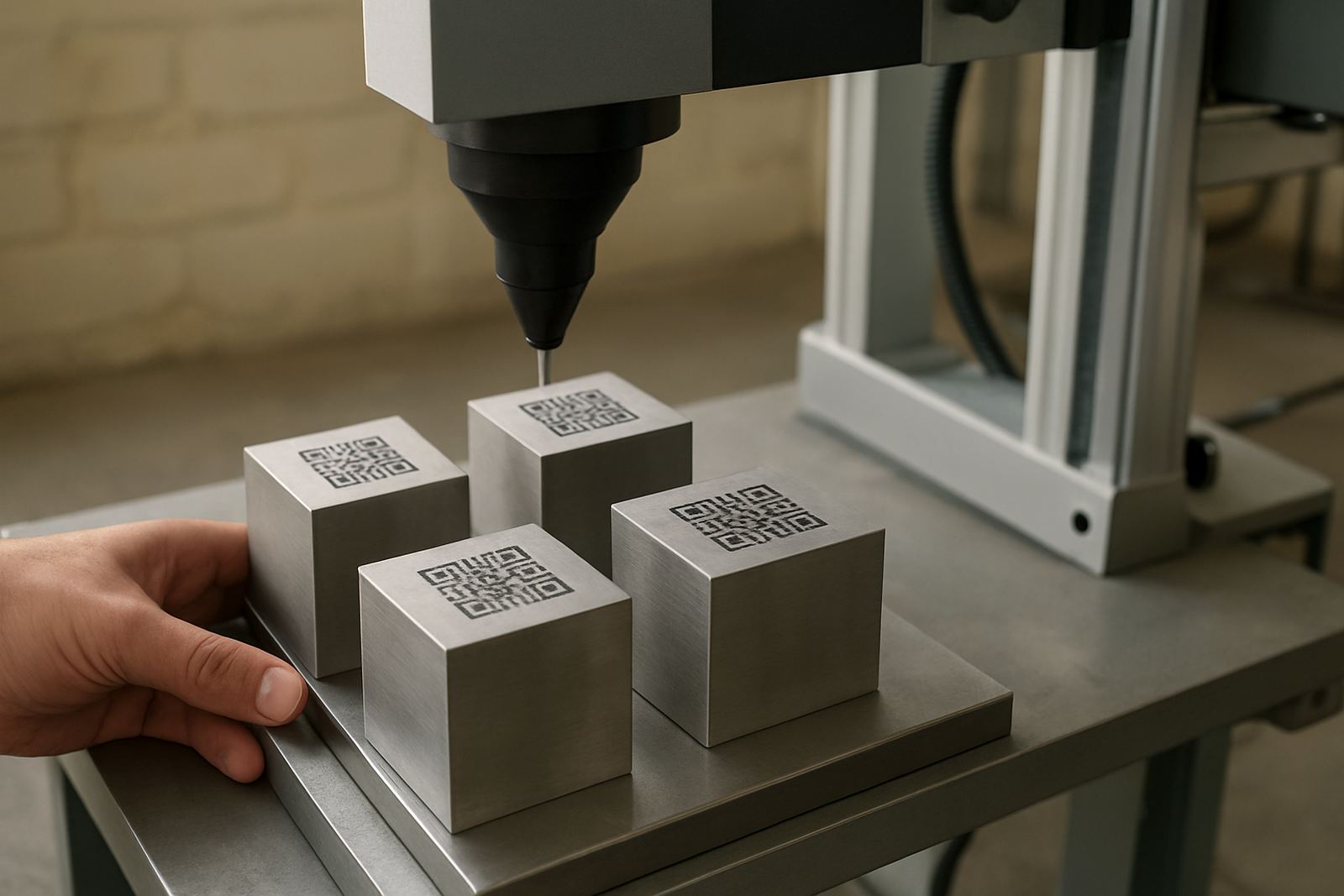
Before you order, it helps to know the pipe material, diameter range, marking width needed and the exact information you want on the pipe. If the mark needs to include text, logos, serials or barcodes, the layout should be planned early so the machine and fixture are set up correctly. You should also confirm whether the pipe is marked one at a time or in batches, since that affects throughput and handling.
It is also worth checking whether your team needs operator training, software setup or on site support after installation. A machine that is easy to run from day one usually gives better results, especially in a workshop where different staff members may use it. If your process includes future expansion, ask about spare parts access, breakdown repairs and relocation support for a new line or premises.
- Pipe diameter range and material grade
- Mark content, size and placement on the pipe
- Production volume per shift or per week
- Need for fixtures, sample marks or barcode support
- Training, maintenance and future relocation needs
Local support from Wadeville to nationwide sites
Fibre Laser Marking is based in Wadeville, Germiston and supports businesses across South Africa with machine installation, operator training, software setup, preventive maintenance, breakdown repairs, spares supply, focus calibration, fixture design, sample marking, process optimisation, site relocation and remote assistance. That means you can get practical help whether the machine is going into a small local workshop or a larger production site in another province.
The team includes Wessel Vermaak, Zinhle Mashigo, Wynand Vosloo, Keitumetso Phalatse, Tshilidzi Sebego and Ayesha Cassim, with support coverage in Wadeville, Germiston, Jet Park, Isando, Kempton Park, Boksburg, Alberton and nationwide installs. If you need a pipe marker that fits your material, your marking standard and your production pace, the right setup can be specified and commissioned with proper training from the start.
Key facts
| Marking method | Fibre laser direct marking |
|---|---|
| Suitable materials | Steel, stainless steel, aluminium and other metals |
| Typical uses | Pipe IDs, sizes, traceability codes, part numbers and flow arrows |
| Fixture options | Rotary support, V-block holders and custom jigs |
| Site fit | Workshop, fabrication line, plant maintenance and stock control |
| Support | Installation, training, maintenance, repairs and remote assistance |