Why valve and pump markings need to last
On valves and pumps, the marking is not there for show. It must carry part numbers, flow direction, service dates, pressure ratings, serials and asset codes that operators can read months or years later. In a plant, a faded tag can lead to the wrong valve being isolated or the wrong pump being pulled from stock, and that costs time fast.
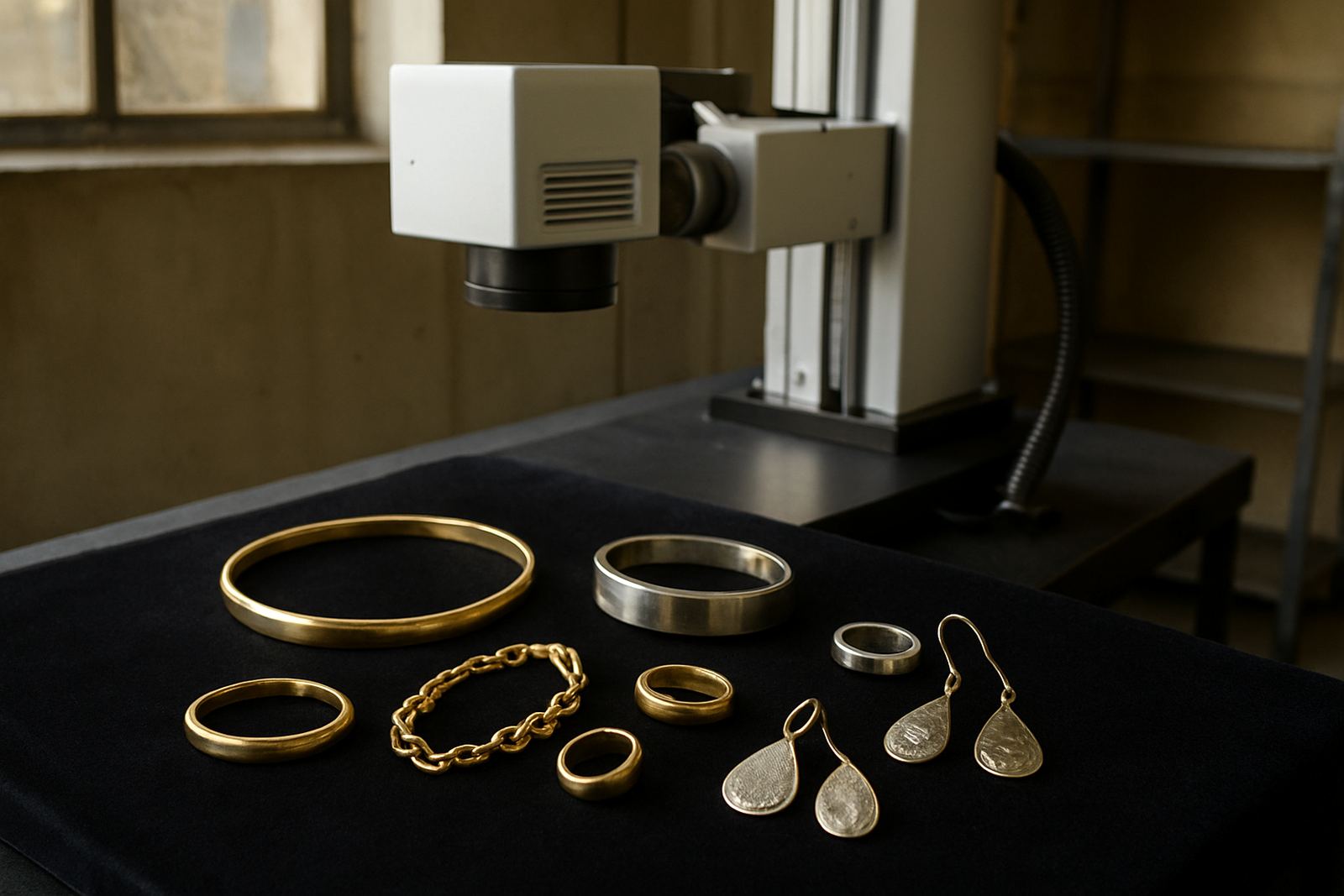
Fibre laser marking works well on stainless steel, aluminium, brass, coated metals and many plated parts. The mark is permanent, fine enough for small plates and still clear on curved covers or machined housings. For coastal sites in Durban, Richards Bay or Gqeberha, that matters because humidity and salt air can damage printed labels and paint fills much quicker than a proper laser mark.
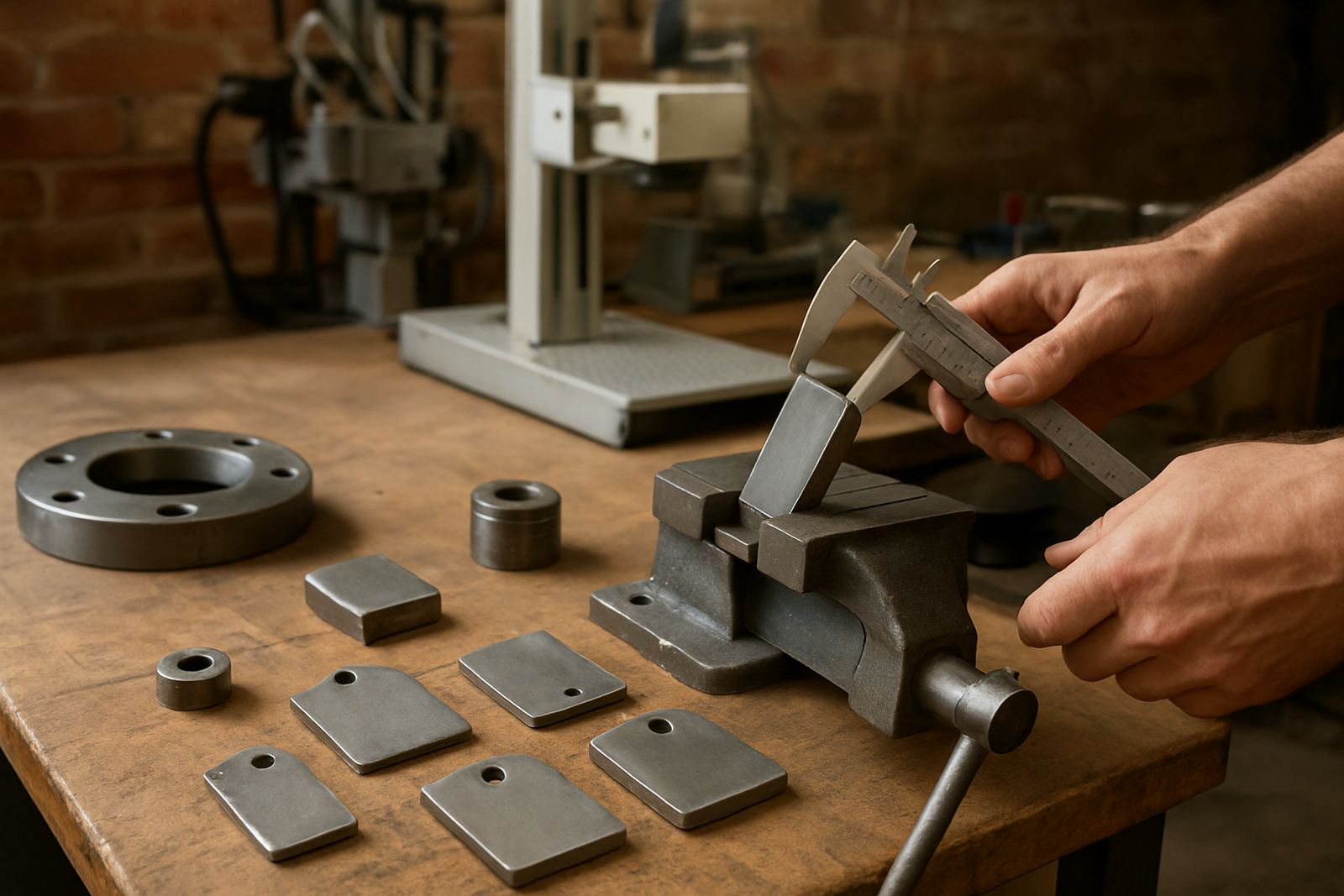
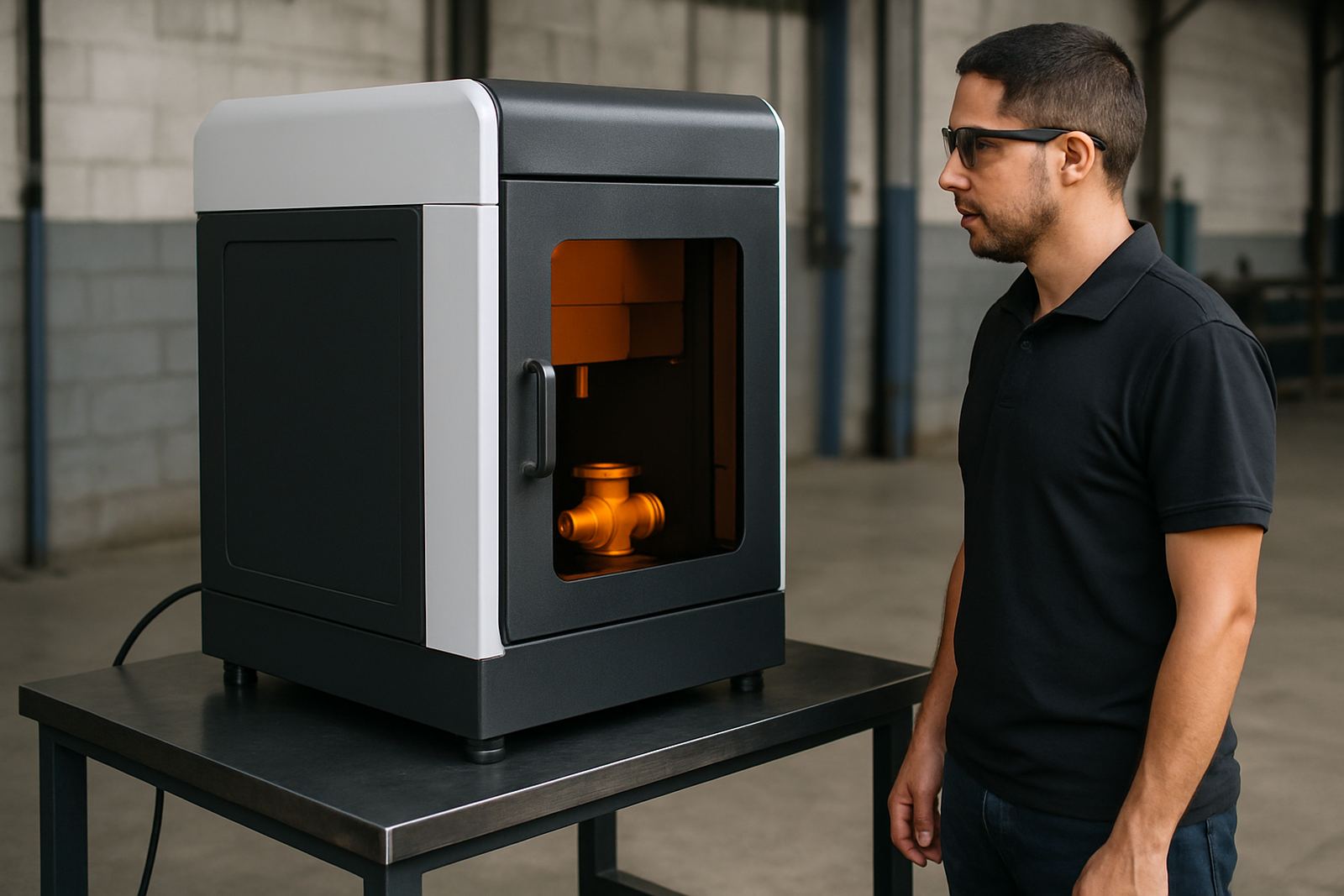
We supply fibre laser marking and engraving machines for workshops that handle pump casings, valve bodies, bonnet plates, tags and small hardware. The aim is simple: make the identification readable, consistent and suitable for site conditions.
Typical parts we mark in flow control work
Every workshop has its own mix of work, but the common parts are easy to plan for. Some need only a serial number. Others need a full nameplate with model, size, pressure class and maintenance detail. If you are marking service parts for municipal work or mine maintenance, the format should match the record system your team uses on site.
- Valve bodies, flanges and bonnet covers
- Pump housings, end covers and shaft sleeves
- Identification tags and stainless steel nameplates
- Flow direction arrows and port labels
- Service dates, asset codes and QR or data matrix codes
- Small brackets, fasteners and inspection plates
For small tags the laser needs good focus control and a stable fixture. For larger casings, a simple rotary or raised support setup may be enough. Wynand from our technical sales team often checks the size range first, because that tells us whether the machine needs a bigger marking window or a more specialised jig.
Layout advice for a practical marking station
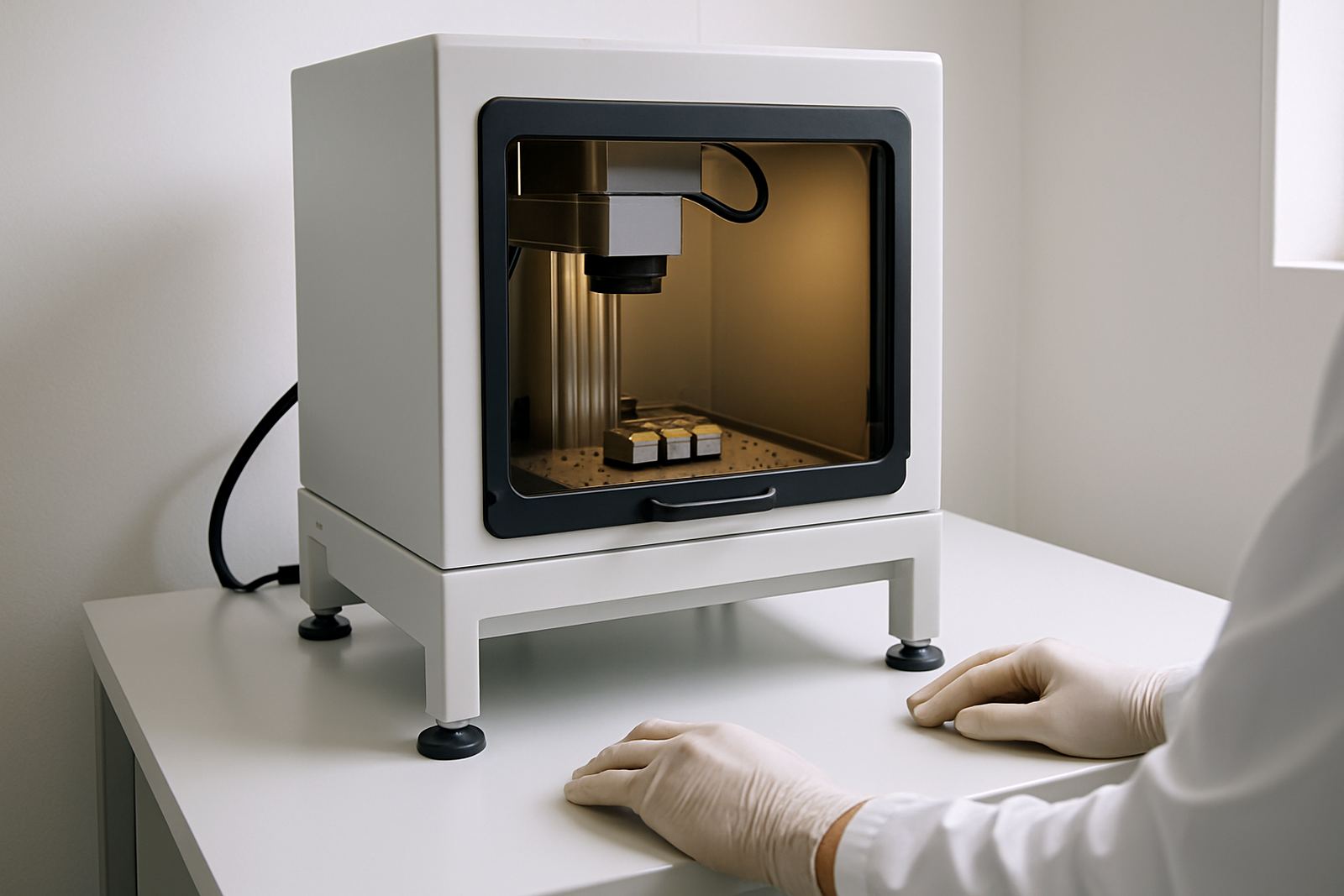
A good marking station saves time and reduces scrap. You need a flat bench, controlled lighting and enough space to load parts without scraping machined faces. In Gauteng workshops dust is common, and in summer the heat can affect operators and electronics, so ventilation and clean air around the machine are worth planning for.
If you are marking mixed batches, split the station into intake, marking and inspection. Keep the job card, sample part and fixture together. That sounds simple, but many shops lose time because the tag is at one bench, the casing is at another, and the operator is waiting for the right file or clamp. A tidy layout also helps when you bring in new staff after a shutdown or holiday period.
- Leave space for different clamp heights and odd shaped housings
- Plan for a nearby computer or control point with stable power
- Use dedicated bins for unmarked, marked and rejected parts
- Keep spare lenses, filters and marking plates in one dry cupboard
If load shedding is part of your day, include backup power or a proper shutdown routine. A clean stop protects jobs in progress and avoids wasting a batch of tags at the wrong moment.
Common mistakes on valve and pump jobs
Most marking problems start before the beam is switched on. The first mistake is poor surface prep. Oil, cutting fluid and polishing compound can leave the mark uneven or dull. The second is using a font that looks neat on screen but becomes unreadable on a small plate once it is engraved. The third is skipping a test sample. A five minute sample can save a costly rework run.
Another common issue is bad fixturing. Pump casings and valve bodies are often round, heavy or awkward to seat. If the part moves even a little, the code can shift or the depth changes across the mark. We see this more often on repair shops and smaller workshops where one machine has to handle many part sizes. Wessel usually asks what the biggest and smallest job is, because that decides whether the setup should be simple or more adjustable.
Training also matters. An operator who understands focus, speed and contrast will get better results than someone pressing start and hoping for the best. That is why we include software setup and operator training with installs nationwide.
Budget ranges for South African workshops
Budget depends on marking volume, part size, fixture needs and whether you are doing flat tags only or irregular pump and valve parts as well. A smaller workshop that marks asset plates and simple identification can often start in a lower budget bracket, while a production site with mixed metal parts and higher throughput will need a bigger investment.
As a practical guide, entry level fibre laser marking setups for tags and small components often start around R180 000 to R280 000. Mid range systems for more varied valve and pump work are commonly in the R280 000 to R450 000 range. Larger or more specialised setups with fixtures, rotary options, software integration and extra support can move beyond R450 000 depending on the application.
Install cost, training, sample marking and fixture design should be budgeted properly from the start. If the site needs relocation, there may also be downtime planning and re-calibration. In some factories that can be the real cost driver, not the machine itself.
Support in Wadeville and installs nationwide
We are based in Wadeville, Germiston and support customers in Jet Park, Isando, Kempton Park, Boksburg and Alberton, plus sites across South Africa. Whether you are a valve rebuilder, pump repair shop or a plant maintenance team, we can assist with machine installation, software setup, focus calibration, sample marking and process optimisation.
Zinhle manages operations, Tshilidzi handles field service on site, and Keitumetso coordinates training so your team can get usable results quickly. For breakdown repairs, preventive maintenance, spares supply or remote assistance, we work around plant schedules and municipal access rules where needed. If your workshop runs long shifts or shuts down on weekends, we can plan around that too.
- Machine installation and relocation
- Operator training for new and existing staff
- Fixture design for valves, pumps and tags
- Preventive maintenance and breakdown repairs
- Remote assistance for file, focus or setup issues