Why watch components need fine, durable marking
Watch parts are small, often curved, and usually made from stainless steel, titanium, brass or coated metals. That means the mark has to be sharp enough to read on a case back, but neat enough to suit a premium finish. A serial number, logo, reference code or service mark must stay visible after cleaning, handling and years of use.
For jewellers, watch assemblers and small metal workshops, fibre laser marking is a practical fit because the beam is controlled at a very fine scale. It can mark flat surfaces, shallow curves and tiny parts without ink, stamps or chemicals. That matters when you are working on pieces with tight tolerances and little room for error.
In South Africa, many clients also need marks that help with traceability. A simple code on a case back or clasp can support stock control, warranty records and export requirements. If you work with importers or local assembly, the marking process must be repeatable and consistent from one batch to the next.
Typical machine setup for small-format watch work
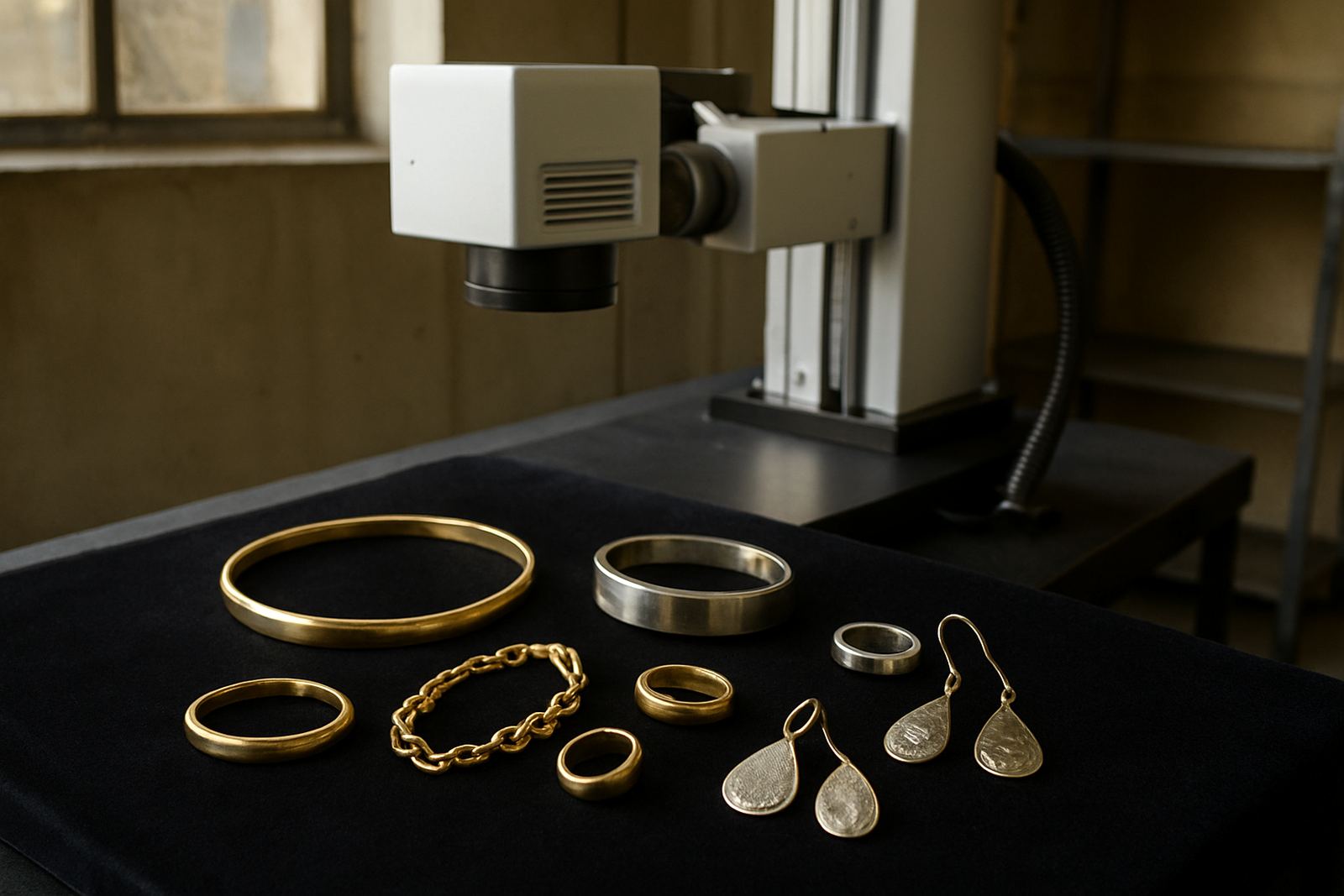
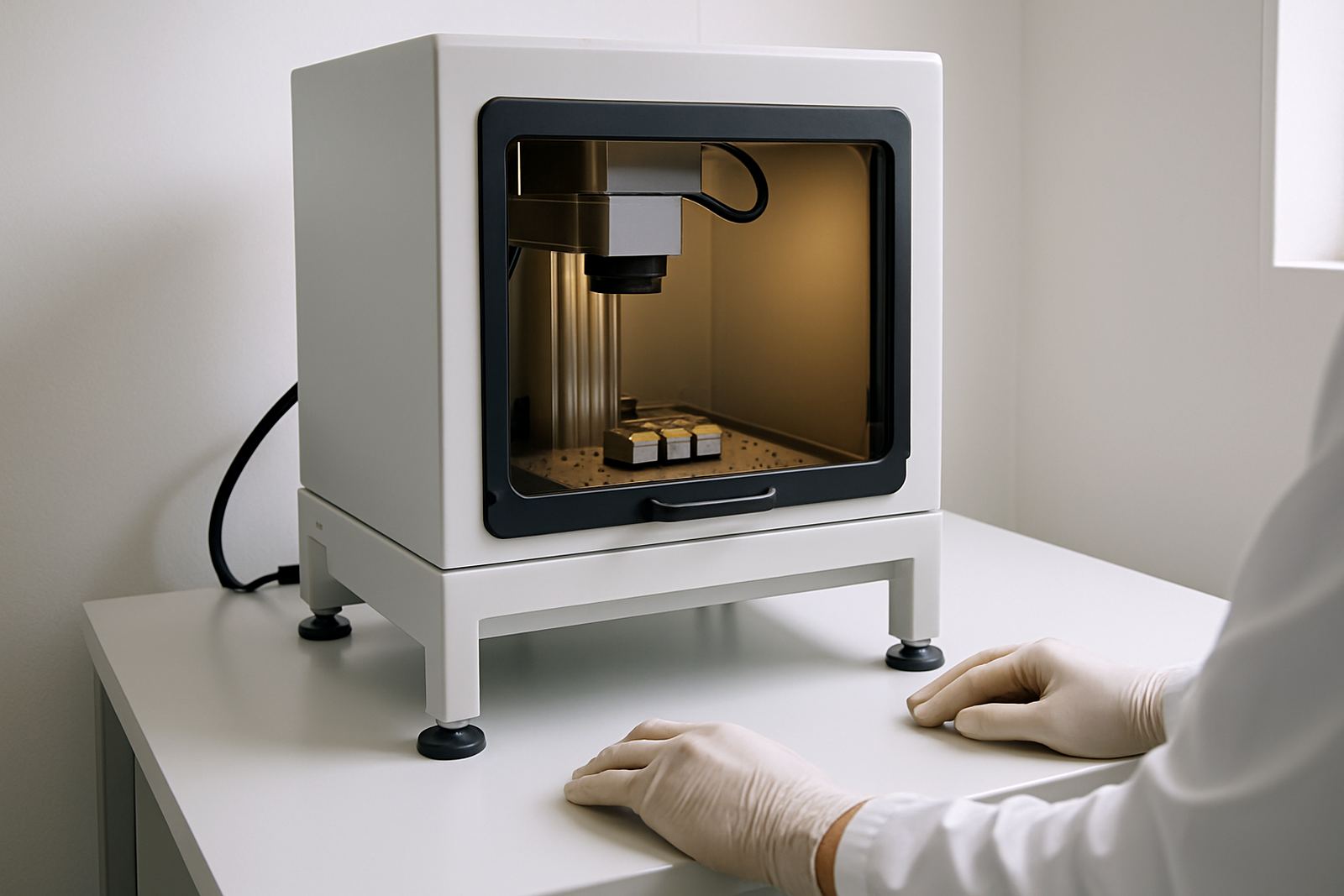
A watch marking cell usually starts with a fibre laser marking machine, a stable worktable and the correct fixture set for small items. The exact setup depends on the part size and the finish you need. A rotary unit is useful for rings and curved parts, while a precision jig helps hold case backs, clasp plates and links in the same position every time.
- Fibre laser marking machine with fine beam control
- Rotary attachment for curved parts where needed
- Small-part fixtures and custom jigs
- Software setup for serials, logos and batch codes
- Fume extraction and clear lighting in the work area
- Sample marking on actual production parts before rollout
For watch components, the machine should be set up to prevent movement during marking. Even a small slip can cause a crooked logo or a code that is hard to read under inspection. In most workshops, the best results come from a proper fixture rather than trying to hold parts by hand.
Planning the layout in a workshop or jewellery room
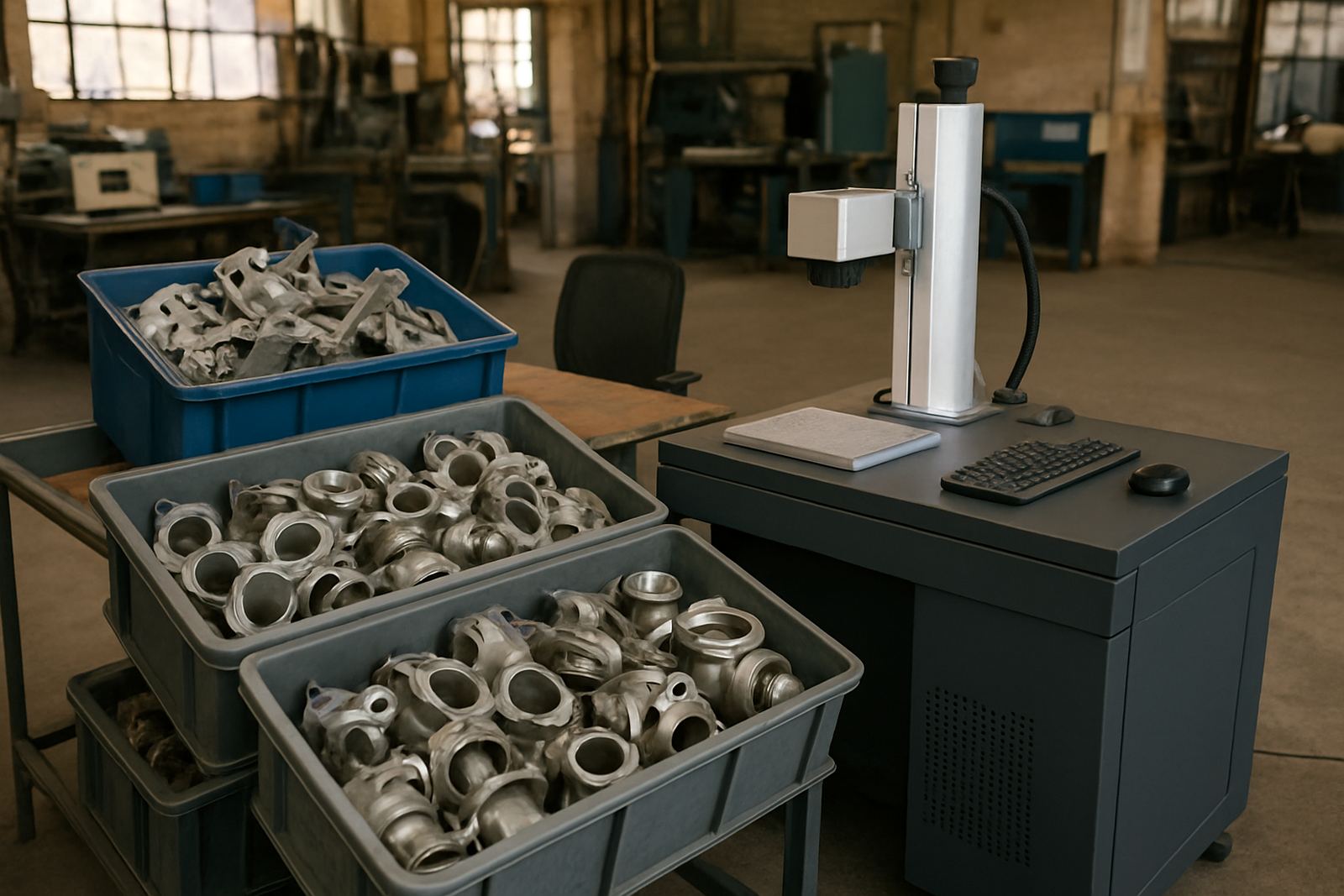
Watch component marking does not need a large footprint, but it does need discipline. The machine should sit on a level surface away from dust, grinding residue and open polishing areas. If you are in Gauteng, Durban or near the coast, humidity and fine airborne dust can affect both optics and the finish on metal parts, so a clean enclosed section is worth planning for.
Many clients place the laser next to incoming inspection and final packing, so parts move through one simple route. That keeps handling down and reduces the chance of scratches. If the machine is used for both watches and other jewellery items, it helps to keep separate fixtures, separate software files and a clear naming system for each job.
- Allow space for the operator to load tiny parts safely
- Keep the marking station away from vibration
- Plan for power stability during load-shedding
- Leave room for a small fume extractor and tool storage
- Build a clean path from prep to marking to inspection
Where power cuts are common, a UPS or proper backup power plan is useful for software and controlled shutdowns. The laser source itself is only one part of the setup. Stable power, dust control and a tidy workflow make a bigger difference than many buyers expect.
Common mistakes on case backs, clasps and links
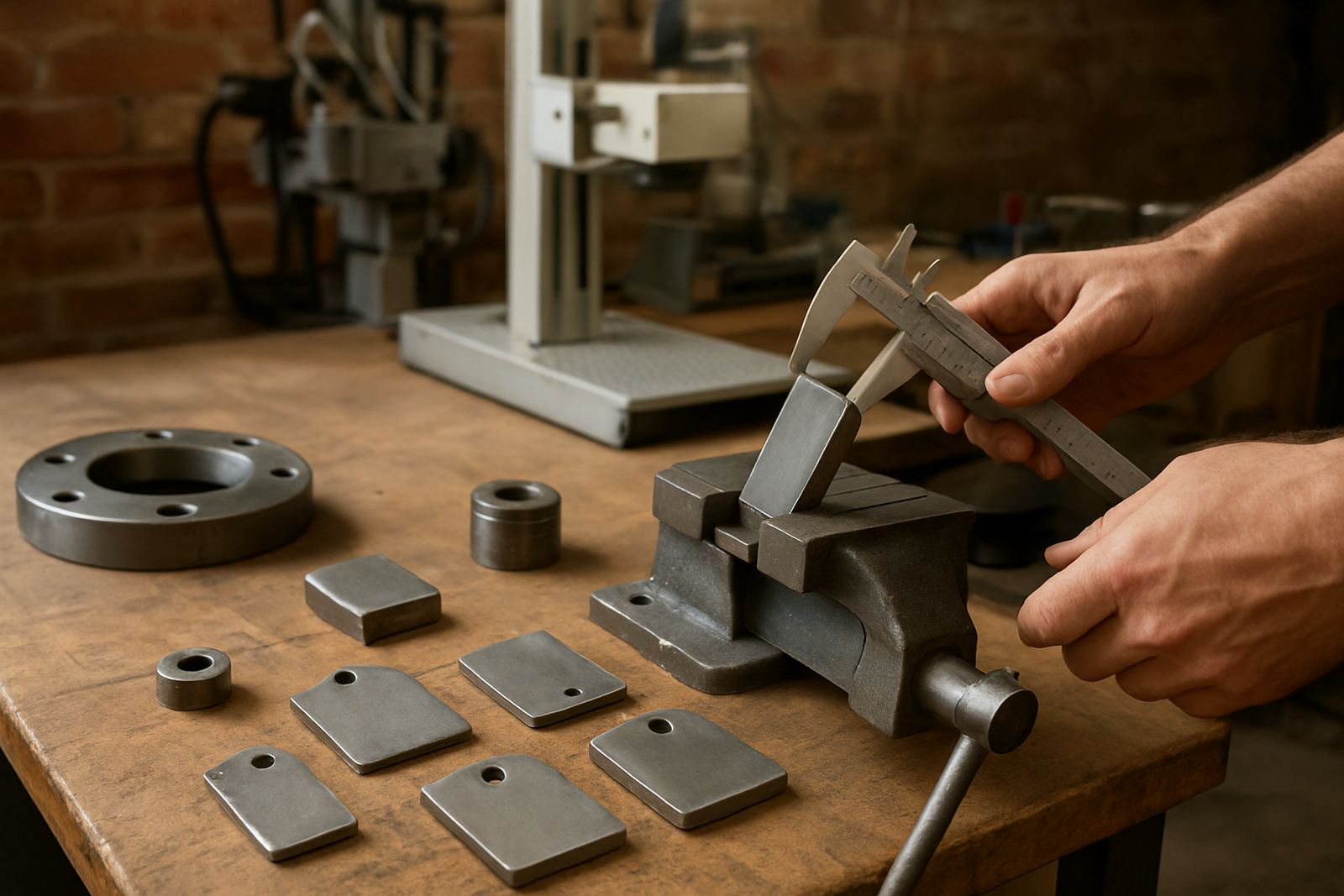
One of the biggest mistakes is choosing the wrong mark size for the part. A design that looks fine on a computer screen can become cramped on a 30 mm case back or a narrow clasp. Another issue is using a deep or aggressive setting when a light, clean mark would do the job better. On polished parts, too much heat can leave unwanted colour changes or a rough edge.
Some workshops also skip sample marking and go straight into production. That is risky when you are working with mixed batches of stainless steel, coated metal or brushed finishes. Different alloys respond differently, so a test mark should always be done first. It is also common to overlook how the part will be held. If the fixture does not support the component properly, the mark can drift by a fraction and the whole batch looks untidy.
For watch businesses, another practical mistake is leaving software templates too open. If anyone can alter spacing, serial ranges or logo position, errors creep in fast. Good control over file naming, operator access and set-up notes saves time later.
Budget ranges for South African buyers
Budget depends on the marking size, fixture needs, software setup and whether you need installation and training at your site. For a small watch component workshop, entry-level fibre laser marking systems usually start from about R95 000 to R160 000, depending on the exact specification. If you need rotary work, custom jigs, extraction and a more advanced setup for repeat production, the range can move to about R180 000 to R320 000 or more.
For higher output operations, the cost is not only the machine. You should also allow for sample development, focus calibration, fixture design, preventative maintenance and possible site relocation later if your production grows. If you are quoting for a client, it is better to budget for the full marking process than only the laser unit. That way you avoid surprises after delivery.
Fibre Laser Marking works with small workshops and larger manufacturers across South Africa, with support from Wadeville, Germiston and nationwide installs. Clients can reach the team through the enquiry form on the contact page to discuss a suitable machine set-up and the right budget for their work.
Installation, training and support after the handover
Watch marking is easiest when the setup is matched to the actual parts you handle every day. Fibre Laser Marking offers machine installation, operator training, software setup and sample marking so the first run is based on real parts, not guesses. That includes case backs, clasps, links and other small metal items that need consistent results.
The team also supports preventive maintenance, breakdown repairs, spares supply, focus calibration, remote assistance and process optimisation. If you move a machine between sites, site relocation support is available too. That matters for businesses in Germiston, Boksburg, Kempton Park, Alberton, Jet Park and Isando, where production space can change as orders grow.
- Training for the operator and the person setting up jobs
- Software files prepared for repeat watch work
- Support for new logos, serials and batch marks
- Advice on keeping parts clean before marking
- Help with fixture changes when product lines change
For premium watch parts, consistency counts more than speed. A steady workflow, accurate focus and proper part holding keep the finish looking professional, batch after batch.