Wider marking area for bigger jobs
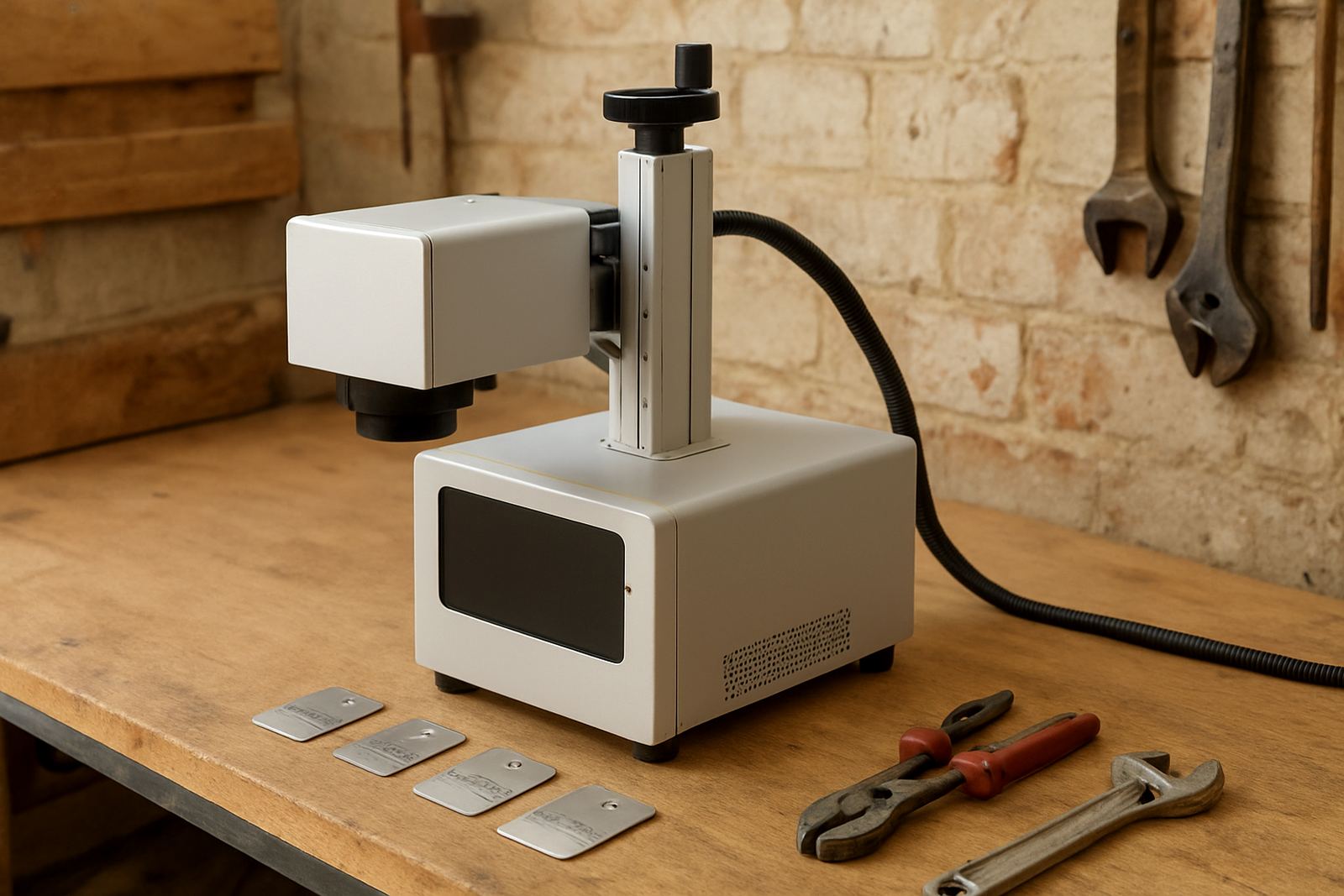
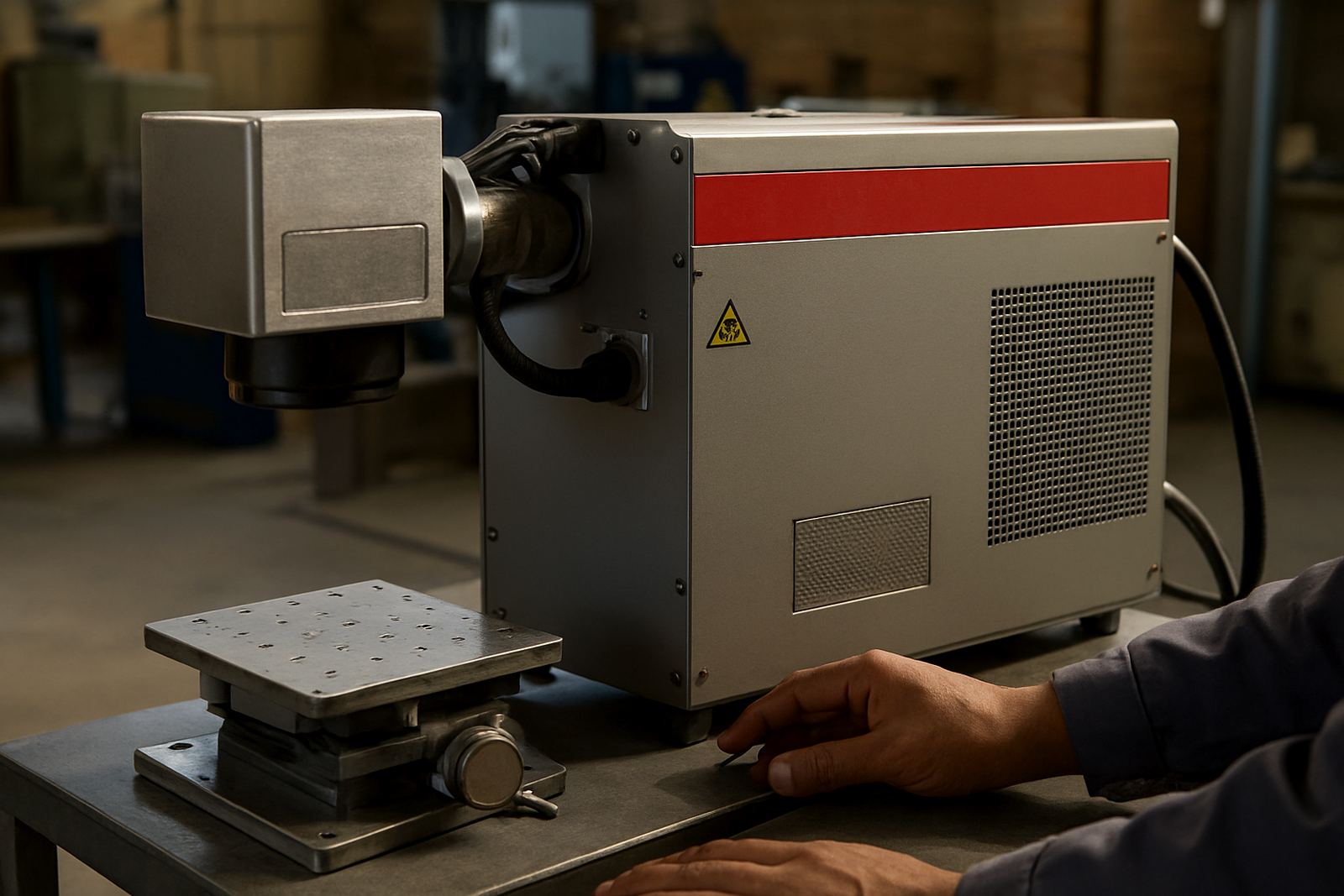
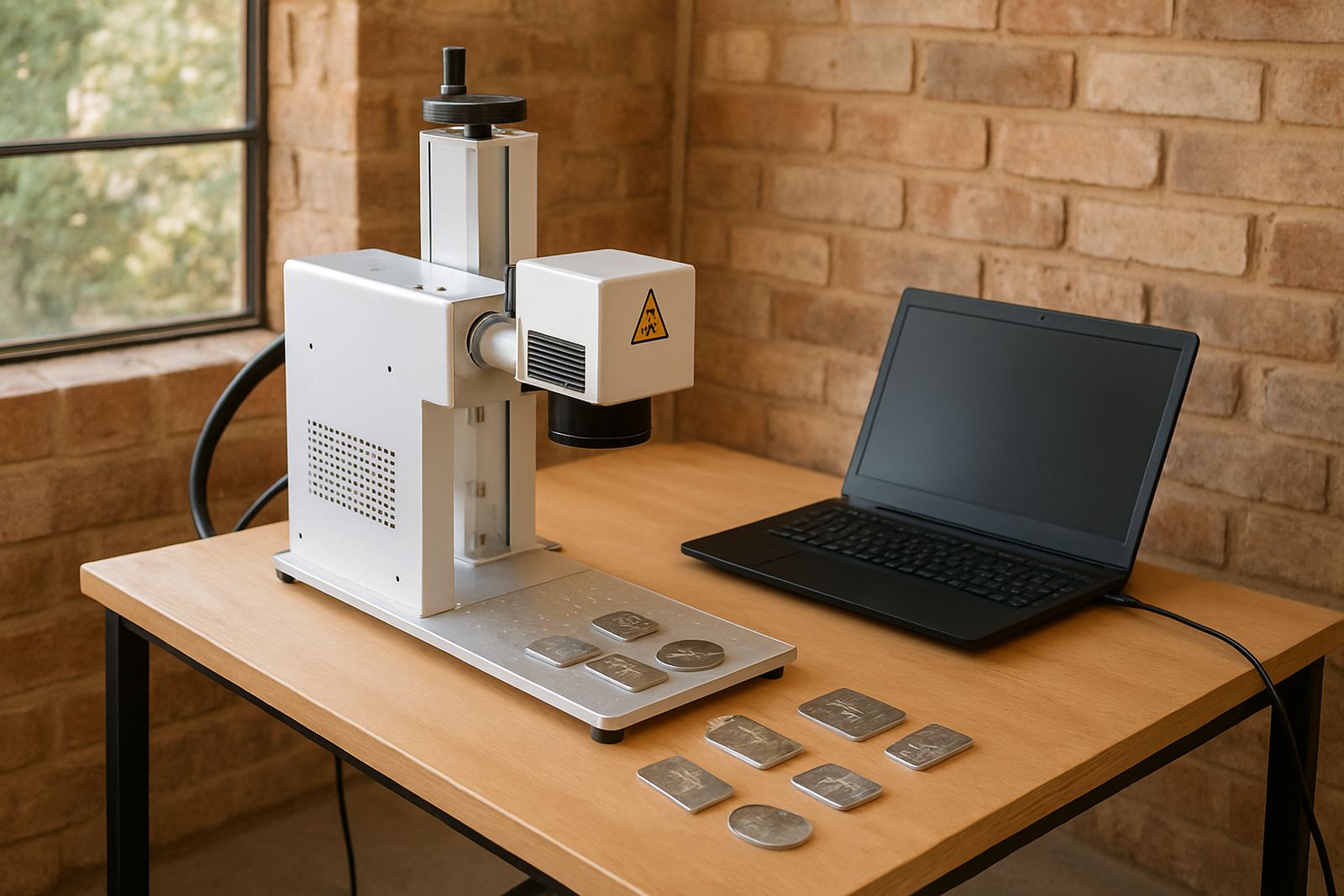
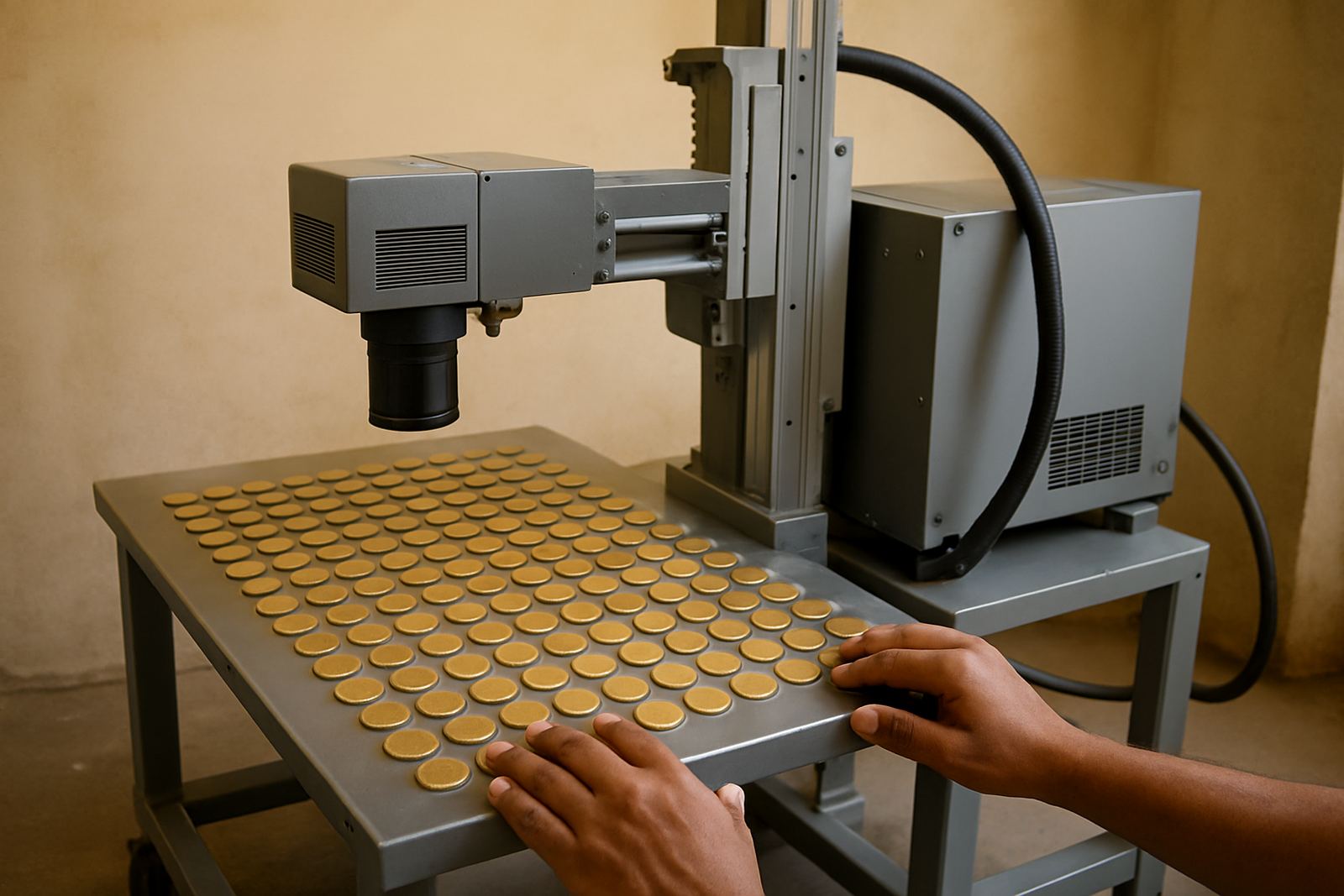
The large field marker gives you a bigger working area than a standard compact unit, which is useful when one part is too large for a smaller marking field or when several smaller parts need to be marked in the same cycle. It is commonly used for serial numbers, logos, QR codes, batch numbers and fine text on stainless steel, mild steel, aluminium, brass and many coated metals.
For a workshop in Gauteng or a production line in the coastal areas, the benefit is simple: fewer repositioning steps and less handling between marks. That saves time and helps keep the marking in the same place from part to part, even on a busy shift.
- Suitable for larger plates, panels and jigs
- Useful for multiple parts laid out in a fixture
- Produces crisp marks with good contrast on metal surfaces
- Works well where marking detail must stay readable after handling
Typical sizes and field options
Large field systems are usually set up with a broader scanning field and the right lens for the part size and mark detail you need. The exact configuration depends on whether you want fine text, deeper marking, wider coverage, or a mix of both. A larger field does reduce the smallest achievable detail slightly, so the setup must be chosen carefully for the job at hand.
Common field options are selected to suit production, sample marking and batch work. If you are marking flat plates, part faces or organised trays of components, the unit can be paired with a fixture so each part sits in the same position. That helps when you are doing a 20 piece tray this morning and a 200 piece batch after lunch.
- Working field options can be matched to part size and lens choice
- Bench top or integrated production setups are available
- Can be fitted with manual or guided part fixtures
- Suitable for both single-item marking and batch layouts
Where this machine suits best
This product is a good fit for manufacturers, jewellery workshops, jobbing shops and service centres that need permanent marking on metal parts. It is often chosen for identification, part control, asset numbering and decorative engraving on items that must stay readable after cleaning, handling or outdoor exposure.
It also suits firms working in environments where labels, ink and stickers do not last. In many South African sites, heat, oil, dust and wash-downs can make adhesive marking fail, especially on parts that are handled often. A fibre laser mark does not rely on consumables for the mark itself, so there is less day-to-day fuss once the setup is correct.
- Metal fabrication and sheet metal shops
- Jewellery and gift item engraving
- Component marking for engineering and assembly
- Asset numbering for tools, jigs and production parts
Installation, power and working conditions
Installation is arranged from Wadeville, Germiston and can be done nationwide. For most units, the main needs are a stable work surface, a clean area for the machine head and controller, and a suitable electrical supply. If the unit is going into a workshop with load-shedding, it is wise to plan backup power or a controlled shut-down method so jobs are not interrupted mid-mark.
Fibre laser systems generally need standard single-phase electrical supply, although the exact requirement depends on the machine size and ancillary equipment. A clean, dry space is best. In coastal humidity, dust and moisture control matter more, and in industrial areas with grinding or cutting nearby, the machine should be kept away from fine metal particles and oil mist. If compressed air or extraction is required for your application, that will be confirmed during sizing and installation. Keep the unit level, with enough space for loading plates and setting fixtures.
- Check site power before delivery
- Allow space for the operator, tray movement and fixture access
- Keep the area dry and away from heavy dust
- Plan for backup power where load-shedding affects production
Care, servicing and day to day upkeep
A large field marker needs basic care to stay accurate and dependable. The marking lens, scan head area and surrounding surfaces should be kept clean, and fixtures should be checked for wear or movement. If the part position changes from one job to the next, your mark location can drift too, so regular fixture checks are worthwhile.
Preventive maintenance helps avoid downtime and keeps the machine ready for urgent work. That can include focus calibration, software setup checks, inspection of cables and cleaning of working surfaces. For workshops running daily batches, a simple monthly inspection often catches small issues before they become repair calls. In a busy shop, that can save a lot of head scratching later on.
- Clean the working area regularly with suitable non-abrasive methods
- Check fixture clamps, stops and alignment points
- Keep dust and moisture away from optics and control parts
- Book preventive maintenance before peak production periods
Important checks before you order this machine
Before ordering, it helps to define the parts you will mark, the size of the marking area needed and the level of detail required. A plate that needs a single large logo has different needs from a tray of 60 small parts with serial numbers. The right lens and fixture choice will depend on your actual job, not just the machine name.
We also recommend checking how the parts will be loaded, whether you need sample marking first, and if the job will run in a fixed position or on several part types. For some sites, fixture design matters more than the machine itself because it controls speed and repeatability. If your team will use the unit daily, operator training should be included from the start so the job is done safely and consistently.
- Part size and maximum marking area needed
- Material type and required mark depth or contrast
- Whether one part or multiple parts will be marked per cycle
- Power available on site and any backup power plan
- Need for fixtures, sample marking and software setup