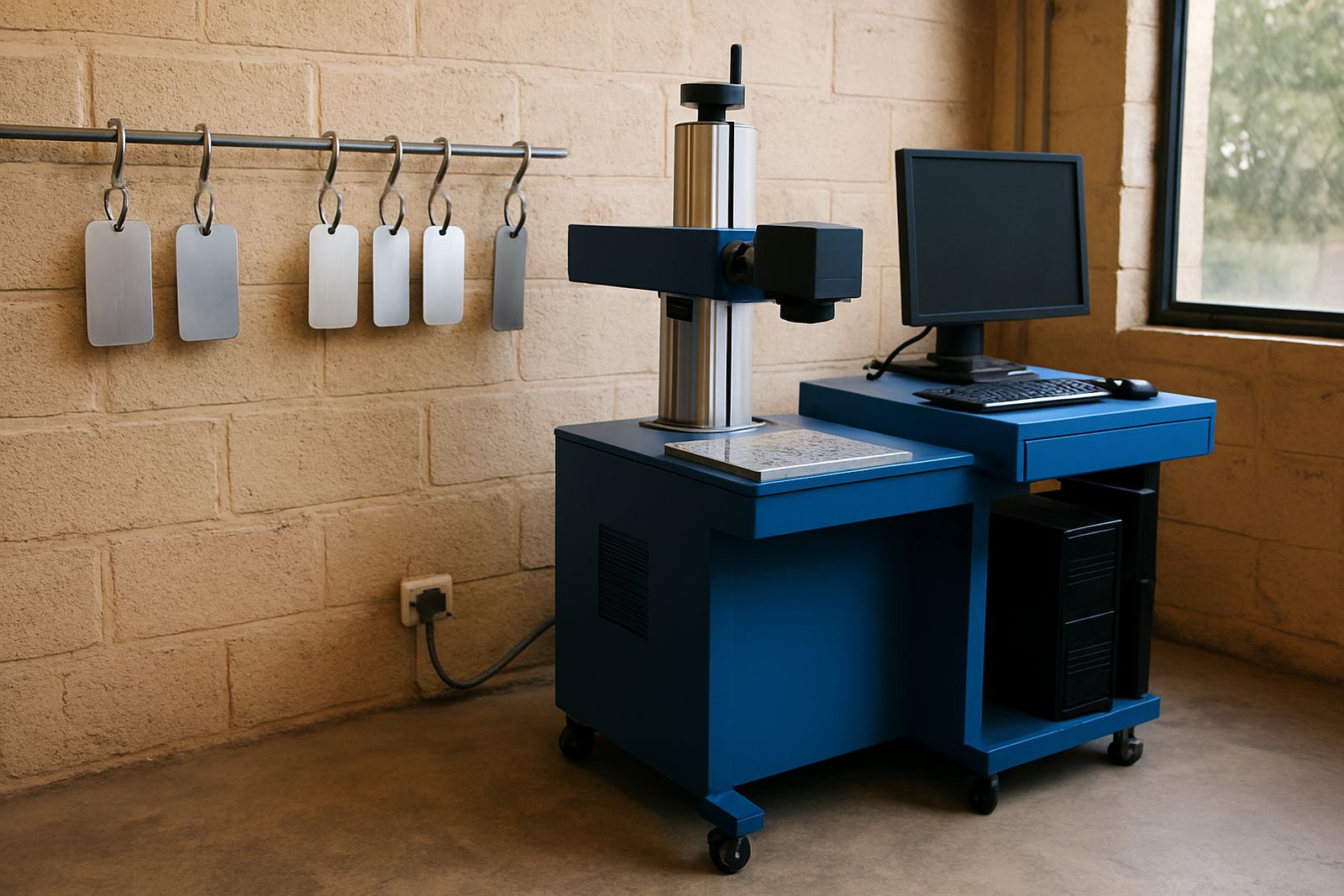
What the Tag Marker is used for
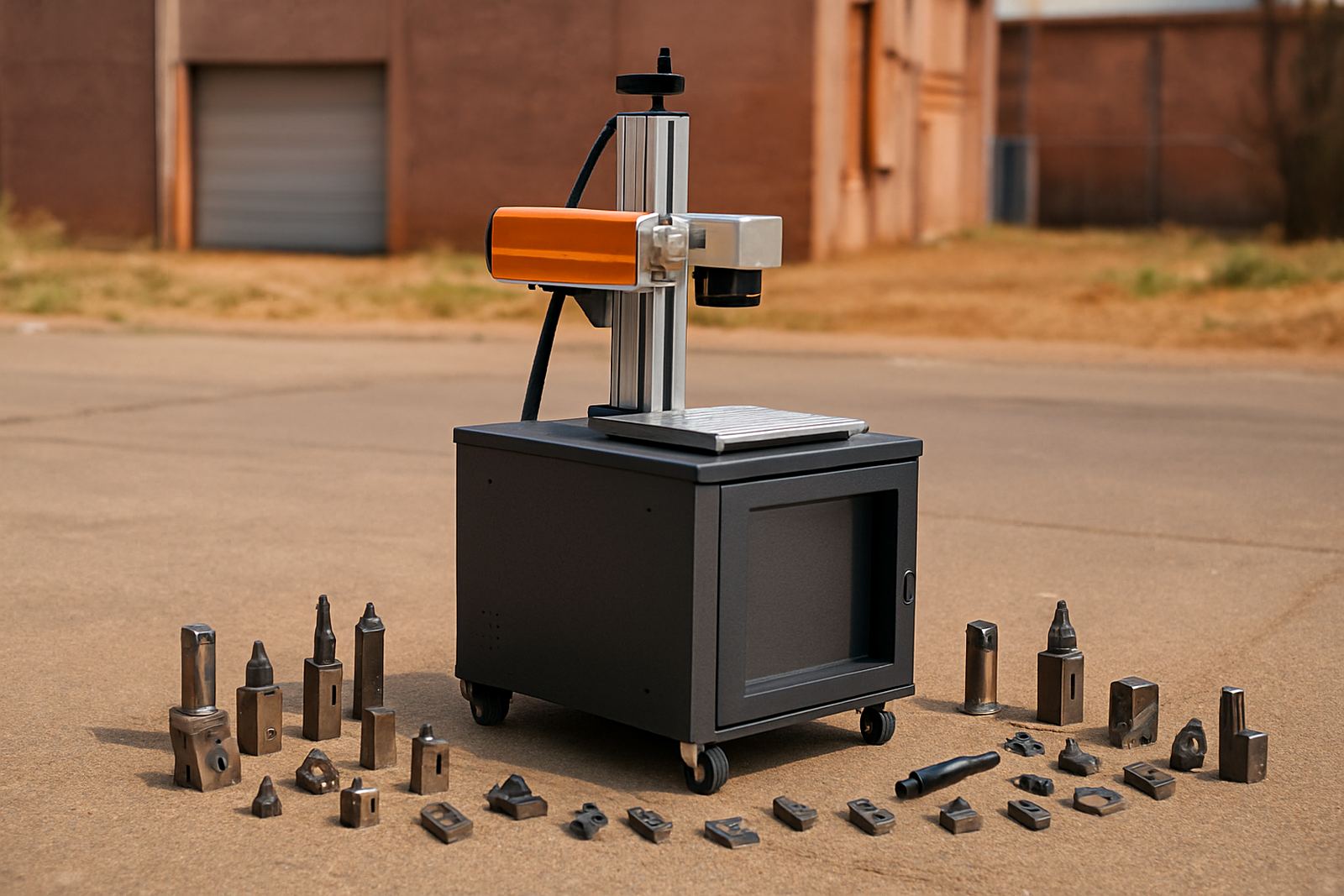
The Tag Marker is a fibre laser marking setup made for small metal parts, blank tags and identification plates where the marking must stay sharp for years. It is commonly used for asset control, valve identification, electrical panels, machine tags, tool tracking and jewellery components. Because the mark is permanent and does not depend on ink or stickers, it holds up well in oily workshops, outdoor yards and coastal sites where moisture and cleaning chemicals can shorten the life of printed labels.
This type of machine is a practical fit for stainless steel, anodised aluminium, brass, copper and coated metals. It is also used on many black metal tags and polished parts where the finish must remain neat. For businesses in Germiston, Isando, Jet Park and Kempton Park, it is useful when tags must be produced in batches without waiting for outside suppliers or label reprints.
- Asset tags for plant and equipment control
- Valve tags for pipework and shutdown records
- Metal labels for electrical and control panels
- Serial plates, batch codes and traceability marks
Marking sizes, work area and options
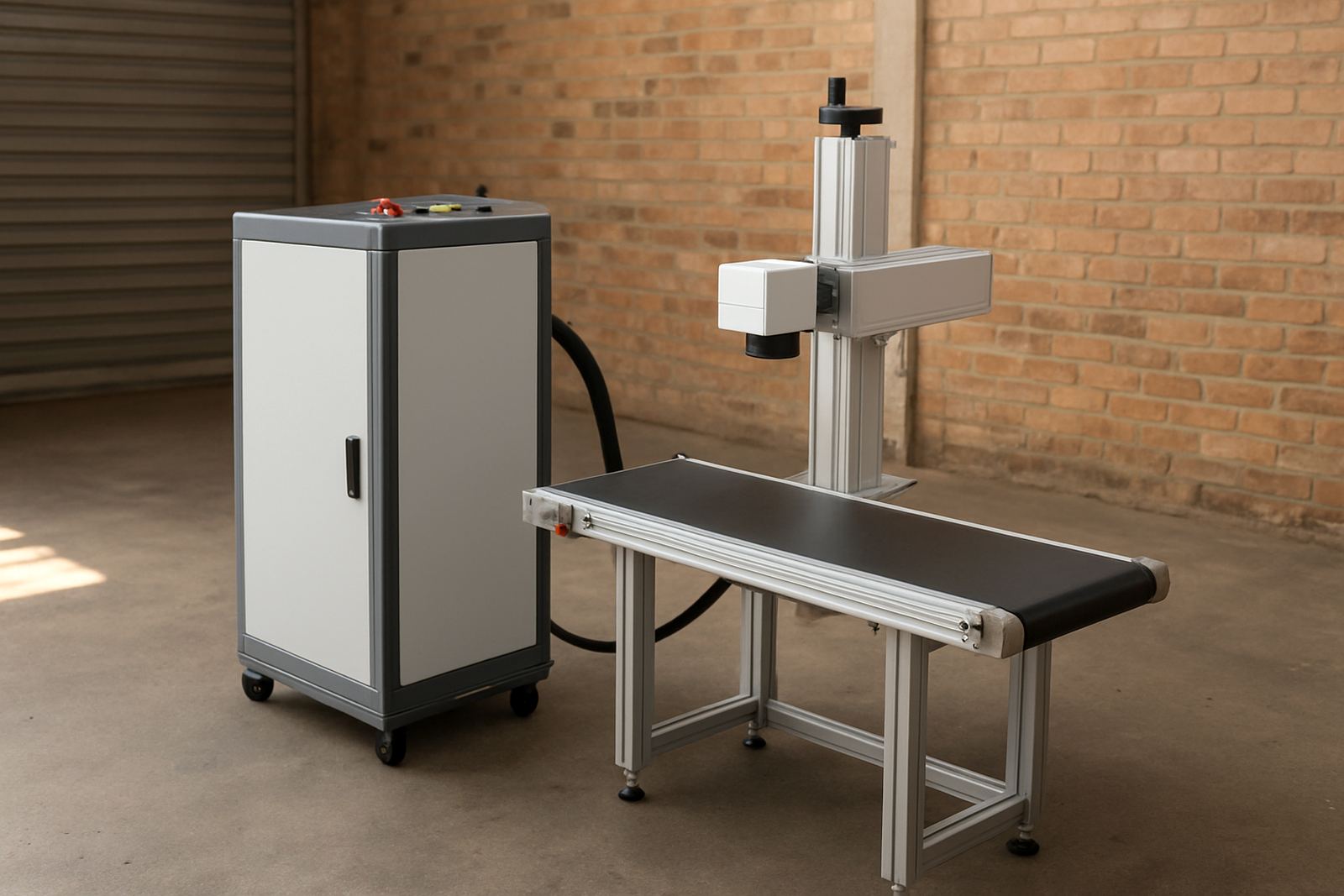
Tag Marker systems are supplied with different work area sizes depending on the tag dimensions and the type of fixture needed. Small plates can be marked one at a time for high detail, while wider tables suit larger batches and mixed part sizes. The beam itself produces a fine spot, so even small text and 2D codes can be made clear on compact tags. Typical tag sizes range from about 20 x 10 mm up to 300 x 200 mm, with custom fixturing for special shapes and holes.
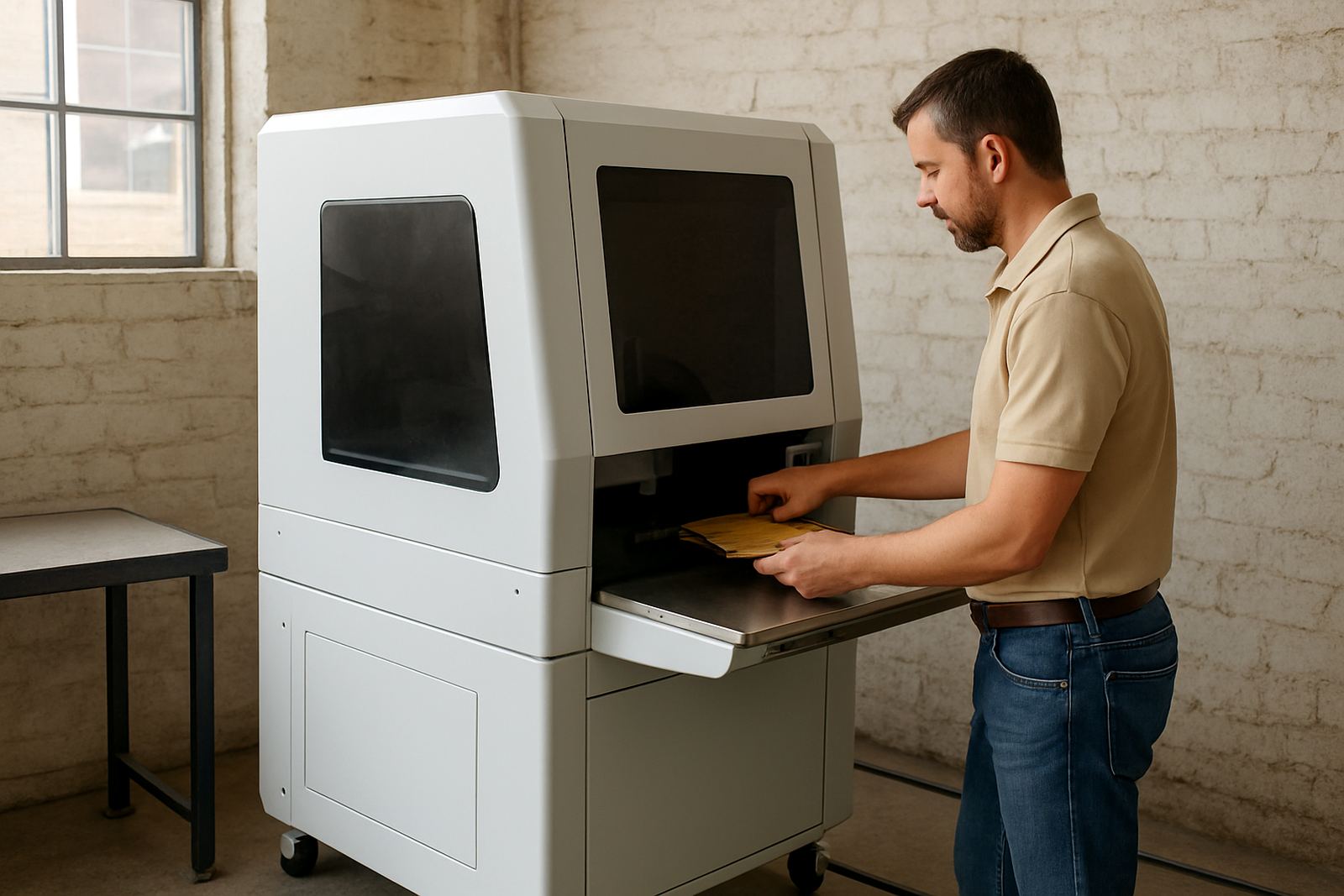
Options can include rotary attachment for round parts, marking jigs for repeat placement, and a focus lens choice for either tighter detail or a slightly larger marking field. For jewellery and small component work, a finer field gives cleaner lines. For industrial tags, a more generous bed helps with faster loading and easier alignment, especially when operators are handling many pieces during one shift.
- Compact bench units for small workshops
- Larger beds for batch marking and mixed tag sizes
- Rotary option for rings, tubes and curved items
- Fixture plates and custom jigs for repeat jobs
Where the Tag Marker fits in South African fabrication and asset ID
This machine suits metal fabricators, maintenance teams, switchboard builders, panel shops, mining suppliers, engineering firms and jewellery manufacturers. It is also useful for municipal contractors and service companies that need clear identification on items that move between site, store room and workshop. In humid coastal areas the permanent mark avoids the common problem of adhesive labels lifting at the corners.
For operations affected by load-shedding, the Tag Marker is worth considering because it uses normal electrical supply and does not need gas cylinders or consumables for the marking process. Once the machine is installed and correctly earthed, it can be used in a back-up power plan with a suitable inverter or generator setup. Many clients in Gauteng ask for a space-saving unit that can sit on a strong bench and keep working around the daily production routine, no fuss.
- No inks, solvents or gases required for marking
- Suitable for indoor production and sheltered workshop areas
- Good for repeatable batch work and traceability
- Well suited to environments with moisture, oil or dust
Installation, power and site needs
Installation is straightforward but the site still needs a proper bench, clean workspace and stable power. The machine should sit on a firm surface with enough room for loading, inspection and operator movement. A standard 220 V single phase supply is commonly used, with clean earthing and protection from voltage swings where possible. If the workshop has frequent outages or generator changeovers, it helps to plan the marking station near a dependable supply point rather than running long extension leads.
For safety and output quality, the marking area should be well lit and free from vibration. A small extraction unit may be recommended if the application creates dust or residue, especially on coated parts. Where tags are marked before dispatch, a simple flow with loading, scanning, marking and checking helps keep errors down. We install and train across South Africa, and can assist with site relocation, software setup and fixture design when the work requires it.
- 220 V single phase supply is typical
- Stable bench and clear operator access needed
- Earthing and surge protection are advised
- Optional extraction may help with residue or dust
Keeping the marker accurate over time
Fibre laser equipment needs basic care rather than constant servicing, but that care matters. Keep the lens area clean, prevent dust build-up around the table and avoid moving the unit more than necessary. If the machine is used daily for metal tags, a routine check of focus, fixture alignment and beam position will keep the text even and prevent wasted stock. In busy workshops, one small shift in setup can affect many pieces before it is noticed.
Preventive maintenance helps reduce breakdowns and keeps marking quality consistent. It is also wise to save approved job settings for common tag sizes so operators can repeat the same result from one batch to the next. Where tags are shallow, polished or highly reflective, sample marking is the safest way to confirm speed, power and fill settings before full production. That small step saves time and material.
- Clean the lens and working area regularly
- Check focus and fixture position before batch runs
- Use saved settings for repeat jobs
- Book preventive maintenance before peak season
What to check before ordering
Before you choose a Tag Marker, start with the exact tag material, size and marking content. A stainless plate for a pump room needs a different setup from a small anodised aluminium label for asset control. It also helps to know whether you want plain text, logos, serial numbers, barcodes or data matrix codes. If the job includes very small type, ask for a sample first so the final mark can be checked under normal shop light, not only on screen.
Check the working area you have available, the power point location, and whether operators need quick changeovers between parts. If the tags are round, curved or irregular, ask about a fixture that holds them steady. For production lines, a better workflow may include sample marking, software setup and operator training at handover. That way the team knows how to handle the machine properly from day one and the tags come out consistent, not hit and miss.
- Tag material and finish
- Exact size and thickness of the blank
- Required text, codes and logo artwork
- Daily volume and batch sizes
- Need for jigs, rotary setup or custom fixtures
Support from Wadeville and nationwide installs
From our Wadeville base in Germiston, we support clients across Alberton, Boksburg, Isando, Jet Park, Kempton Park and beyond with machine installation, training and breakdown repairs. We also assist with remote guidance when a setting needs to be checked quickly, and can help with process optimisation if the tagging line is slowing down. For customers in smaller towns or remote sites, nationwide installs mean the machine can be commissioned on site and the operator shown how to use it properly.
Our team includes Wessel Vermaak, Zinhle Mashigo, Wynand Vosloo, Keitumetso Phalatse, Tshilidzi Sebego and Ayesha Cassim, so clients can reach the right person for sales, training, applications or field support through the enquiry form on our contact page. When you need a dependable marker for asset tags and durable metal identification, it helps to have local support that understands workshop realities, not theory only.
Key facts
| Marking type | Fibre laser marking for permanent metal identification |
|---|---|
| Typical materials | Stainless steel, aluminium, brass, copper and coated metals |
| Work area options | Small to medium beds with custom fixturing available |
| Power requirement | 220 V single phase, site dependent |
| Support options | Installation, training, software setup and preventive maintenance |
| Common uses | Asset tags, valve tags, serial plates, barcodes and jewellery marking |