What a Tooling Marker does on hard parts
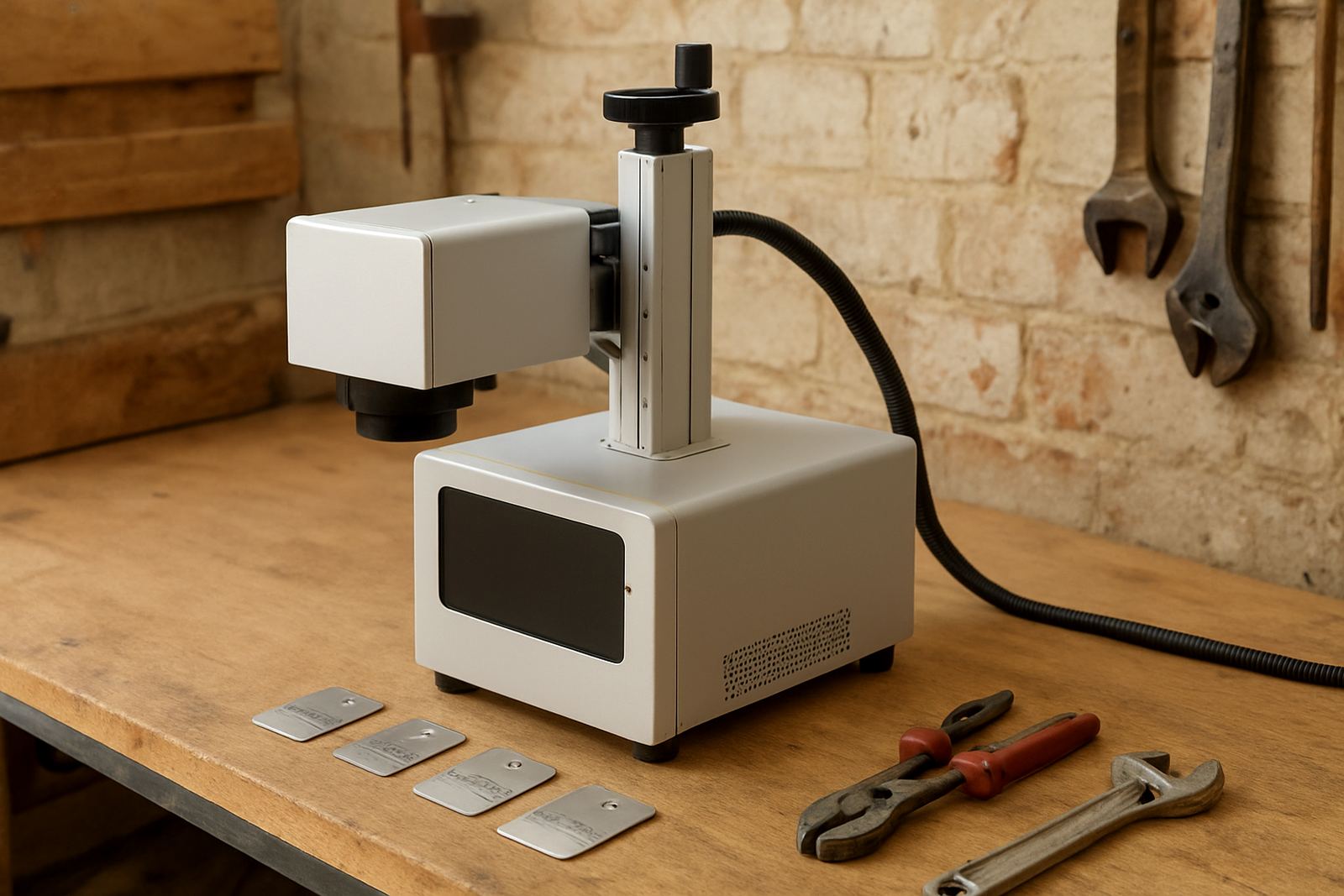
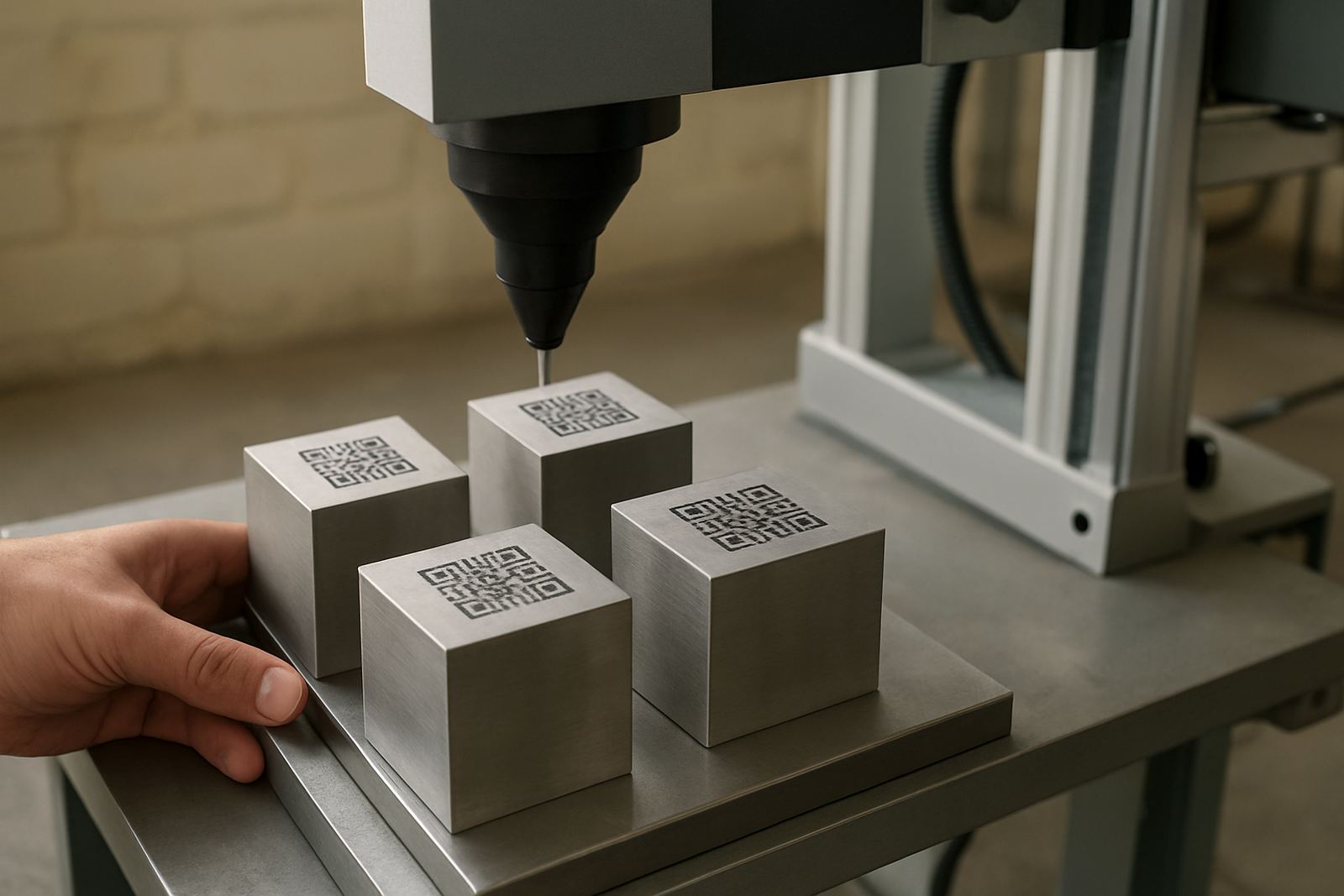
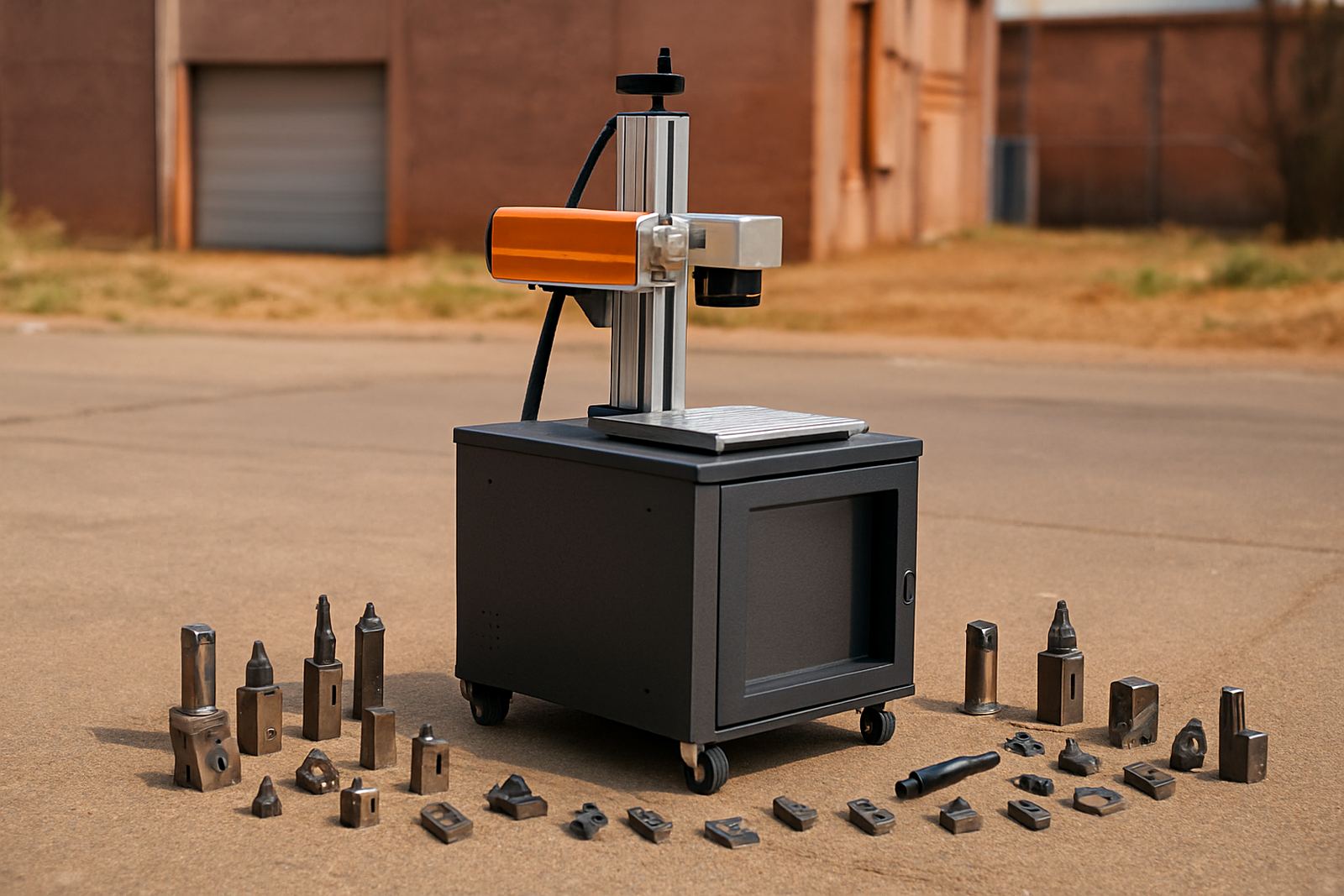
A Tooling Marker uses a focused fibre laser beam to mark metal surfaces with text, serial numbers, logos, data matrix codes and part references. It is suited to tools, cutters, inserts, holders, jigs, fixtures and small components where ink, stickers or stamps do not last. The mark is permanent and easy to read, even after repeated handling, oil exposure and cleaning.
For South African workshops, that matters when you are tracking batches, reducing mix ups and keeping production in order. It is a practical choice for steel, stainless steel, aluminium, brass, titanium and coated metals. On many parts the laser creates a dark annealed mark, a light etch or a deeper engraved mark depending on the setting and material.
Standard sizes and marking area options
Tooling Marker systems are normally supplied in a compact benchtop format for small to medium parts, or in a larger enclosed unit when you need more working room. The correct size depends on the biggest part you want to mark, the quantity per shift and whether you use a rotary fixture for round pieces. For many tool rooms a 110 x 110 mm to 150 x 150 mm marking field is a useful starting point.
Some users need a deeper working area for fixtures, vice blocks or tooling bodies, while others prefer a smaller field with a finer spot size for very small text and codes. If you mark inserts or small holders, ask for a lens setup that suits fine detail rather than only maximum area. That gives cleaner results on tiny characters, and less wasted time on test runs.
- Common marking fields: 110 x 110 mm, 150 x 150 mm, 175 x 175 mm and similar
- Desktop or enclosed cabinet layouts depending on access and safety needs
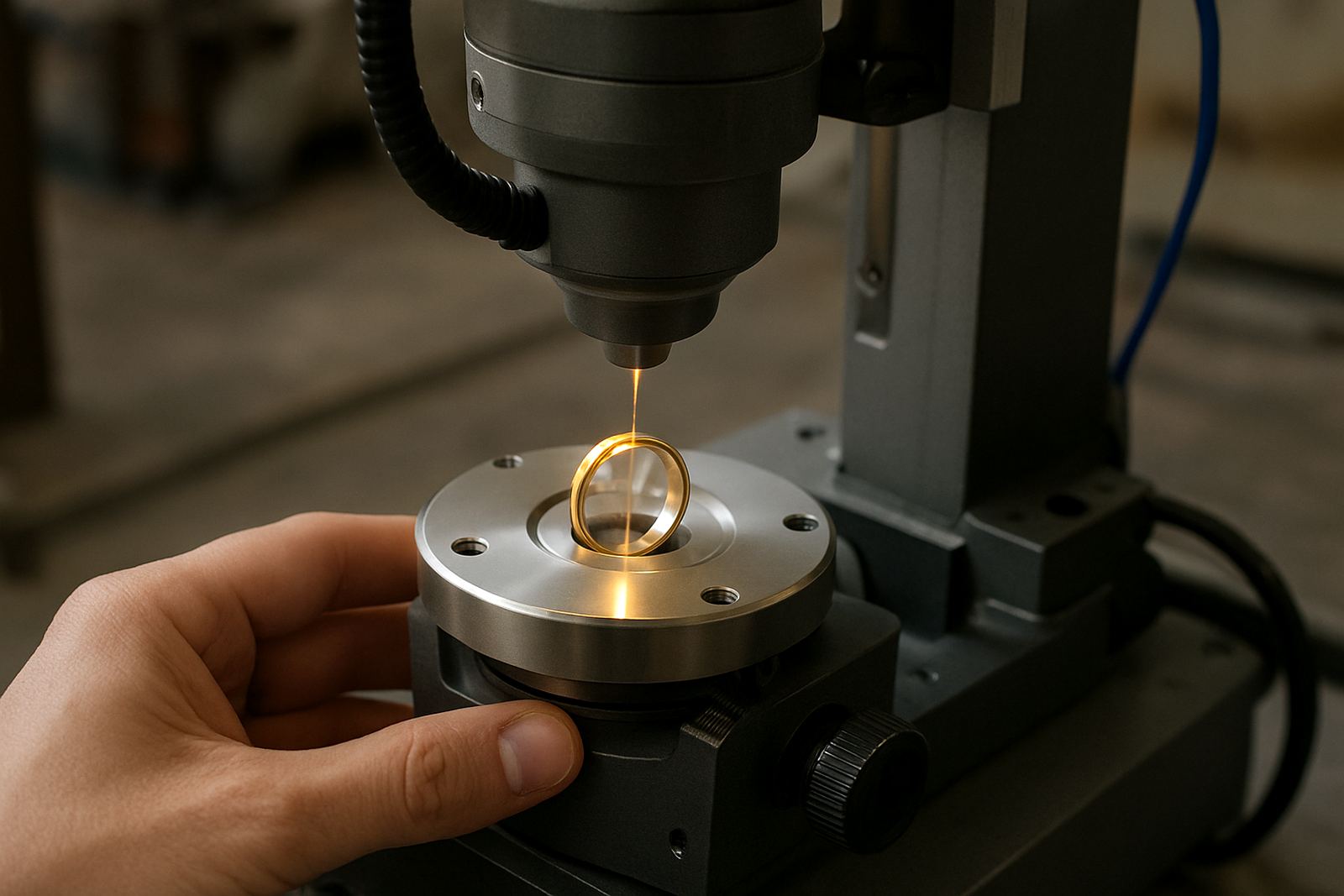
- Optional rotary attachment for round tools and rings
- Custom fixtures for repeat marking on mixed part sizes
Where this machine suits best
This product suits toolrooms, engineering shops, jewellery repair benches, maintenance departments and light manufacturing sites that need traceable marking on hard parts. It is also useful for companies that outsource work but want in-house identification for inventory control, batch tracking or warranty marking. If you handle small components with high turnover, a Tooling Marker can save a lot of manual sorting.
Across South Africa, many customers use it for tools in Gauteng, replacement parts in KwaZulu-Natal, and salt exposed hardware in coastal towns where labels fail quickly. Because the mark is part of the material, it holds up better in humid conditions and on parts handled with gloves, coolant and cutting oil. It is not affected by municipal restrictions in the way some chemical marking methods can be.
- Toolrooms and maintenance workshops
- Engineering and machining operations
- Jewellery and small parts marking
- Contract manufacturers and serialised production
Installation, power and workshop setup
Installation is straightforward but the machine still needs a proper site check. Most fibre laser marking units run on standard single phase power, usually 220 V, which makes them practical for many workshops and smaller factories. The exact current draw depends on the configuration, cooling method and any accessories such as a rotary table or extraction unit.
In Wadeville, Germiston and the wider East Rand we often look at bench strength, nearby mains sockets, extraction and the position of the operator before commissioning. On sites with load-shedding, a UPS or backup power plan may be worth discussing if you need to keep production moving during short outages. The machine itself uses no marking gas for normal fibre laser work, which keeps the setup simpler than gas based marking systems.
For safe operation you need stable benching, clear access, good lighting and a clean work area. If you are marking oily parts or items with polishing compound, plan for a small cleaning step before loading the piece. A neat setup improves both the mark and the working pace.
Care, servicing and keeping marks consistent
A fibre laser marker needs far less day to day attention than many other marking systems, but it still benefits from proper care. Keep the lens and protective window clean, avoid dust build up around the marking head and check that fixtures remain square. In a busy workshop, even a small misalignment can affect the position of a code or serial number.
Preventive maintenance helps to avoid downtime and makes the machine easier to rely on during peak production. Regular focus checks, software review and fixture inspection are simple steps that pay back quickly. If the machine is used in a gritty or oily environment, plan for more frequent cleaning and a weekly visual check of cables and cooling fans. That keeps the unit working well, and reduces nuisance faults.
- Clean optics on a routine schedule
- Check fixture alignment before repeat jobs
- Review software settings after material changes
- Book preventive maintenance before busy periods
What to check before you order
Before ordering, it helps to know exactly what you want marked and how fast you need to mark it. Send sample parts if possible, because different metals and finishes respond differently. A deep black mark on stainless steel is not the same as a fine surface mark on anodised aluminium or a crisp code on a hardened insert. The right lens, power and fixture choice depends on that sample.
Check the size of the largest and smallest part, the marking area you need, whether you need a rotary fixture, and whether the text must include logos, barcodes or data matrix codes. Also confirm if the part shape is flat, curved or irregular, because that affects clamping. If your team will change jobs often, ask for software setup that makes changeovers simple and clear. It saves time and cuts down on mistakes.
- Material type and finish of each part
- Smallest text height or code size required
- Part dimensions and marking field needed
- Need for rotary marking, jigs or custom fixtures
Local support from Wadeville to nationwide installs
Fibre Laser Marking is based in Wadeville, Germiston and supports clients across South Africa with machine installation, operator training, software setup, focus calibration, sample marking and process optimisation. The team also assists with breakdown repairs, spares supply, site relocation and remote assistance. If you are in Jet Park, Isando, Kempton Park, Boksburg or Alberton, support can be arranged through the relevant local service area.
That local base matters when a workshop needs a machine commissioned quickly or a user needs help getting consistent results on a difficult part. Whether you are starting with one unit or adding several stations, the aim is the same: clean marks, reliable uptime and a system your operators can use without fuss.
Key facts
| Machine type | Fibre laser marking system for metal parts and hardwearing identification |
|---|---|
| Typical marking area | 110 x 110 mm to 175 x 175 mm, depending on lens choice |
| Power supply | 220 V single phase, final requirement depends on configuration |
| Marking method | Surface marking, annealing and light to deeper engraving on suitable metals |
| Accessories | Rotary fixture, custom jigs, extraction, software setup and focus aids |
| Best suited materials | Steel, stainless steel, aluminium, brass, titanium and coated metals |