
Start with the job the tag must do
Before you choose a tag, be clear about where it will live and who must read it. A pump tag in a dusty workshop has different needs to a equipment tag on a stainless steel trolley in a food area, and a tag on a control cabinet needs to stay legible after cleaning, vibration and occasional knocks.
For South African sites, this matters even more because many facilities deal with load-shedding, hot service rooms, coastal humidity and outdoor exposure. If the tag only needs to carry an ID number, keep it simple. If it must hold a serial number, service date and QR code, then size and layout need proper planning from the start.
Choose the material for the environment
Metal tags are usually the best choice for long service life, but the metal should match the site. Aluminium works well for many indoor applications, while stainless steel is preferred where there is moisture, salt air or stronger cleaning chemicals. For harsh industrial use, it is worth checking how the tag will behave after years of abrasion and contact with oil or coolant.
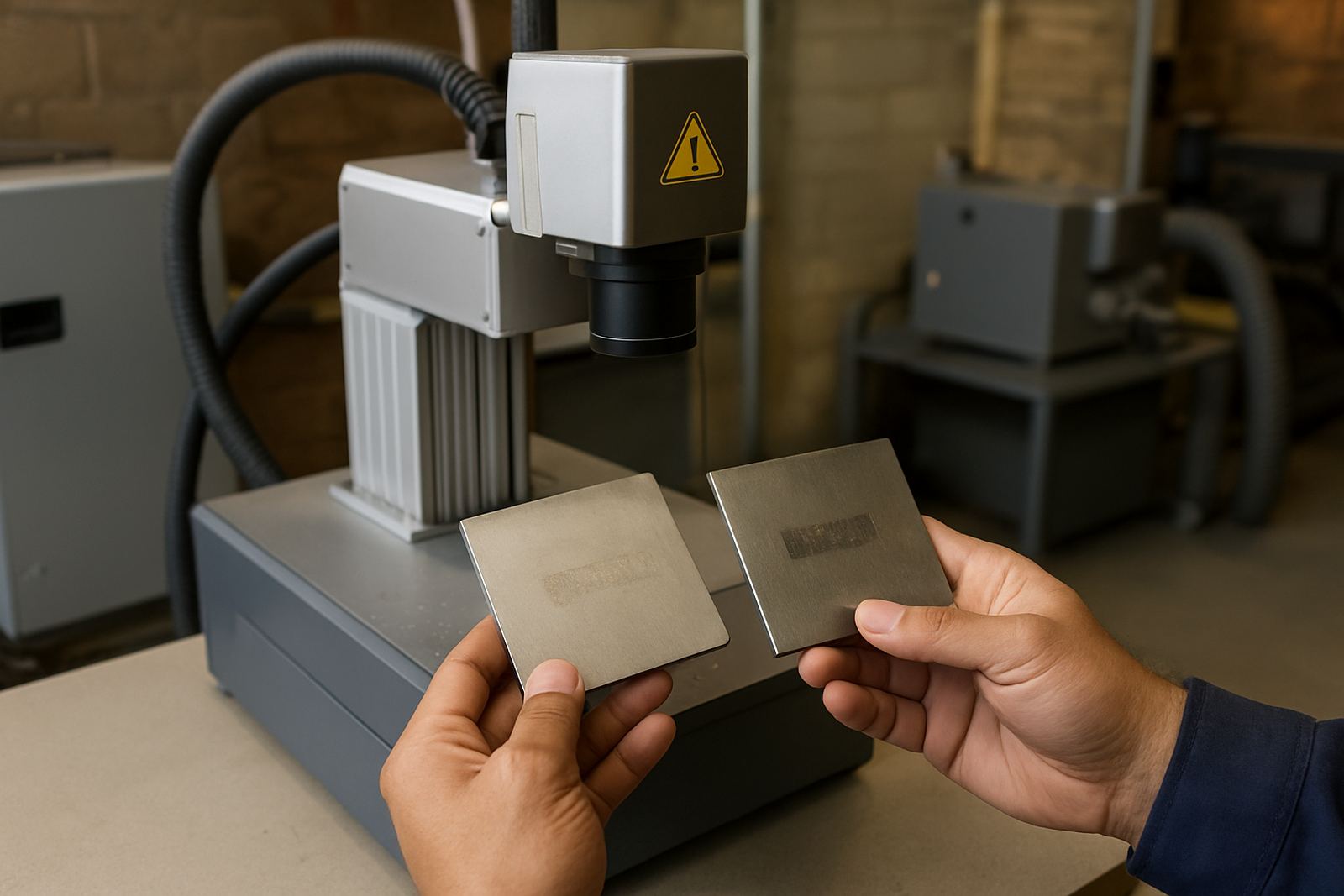
Laser marking is a strong option because the mark sits into the surface rather than on top of it. That helps with durability on plant labels, tool tags and asset plates where paint or ink would wear away too quickly. For high-value items, etched detail can also keep small text and codes readable without crowding the plate.
- Use stainless steel near the coast or in wash-down areas.
- Use aluminium for lighter indoor items where weight matters.
- Choose a finish that reduces glare if the tag will be read often.
- Keep enough contrast between the mark and the base material.
Design for quick reading in the field
A good asset tag should be easy to read in low light, at an angle and from a short distance. In a Germiston warehouse, for example, a technician may be checking a forklift or motor while the bay door is open and the sun is shifting across the floor. If the text is too small or the code is squeezed, the tag slows the job instead of helping it.
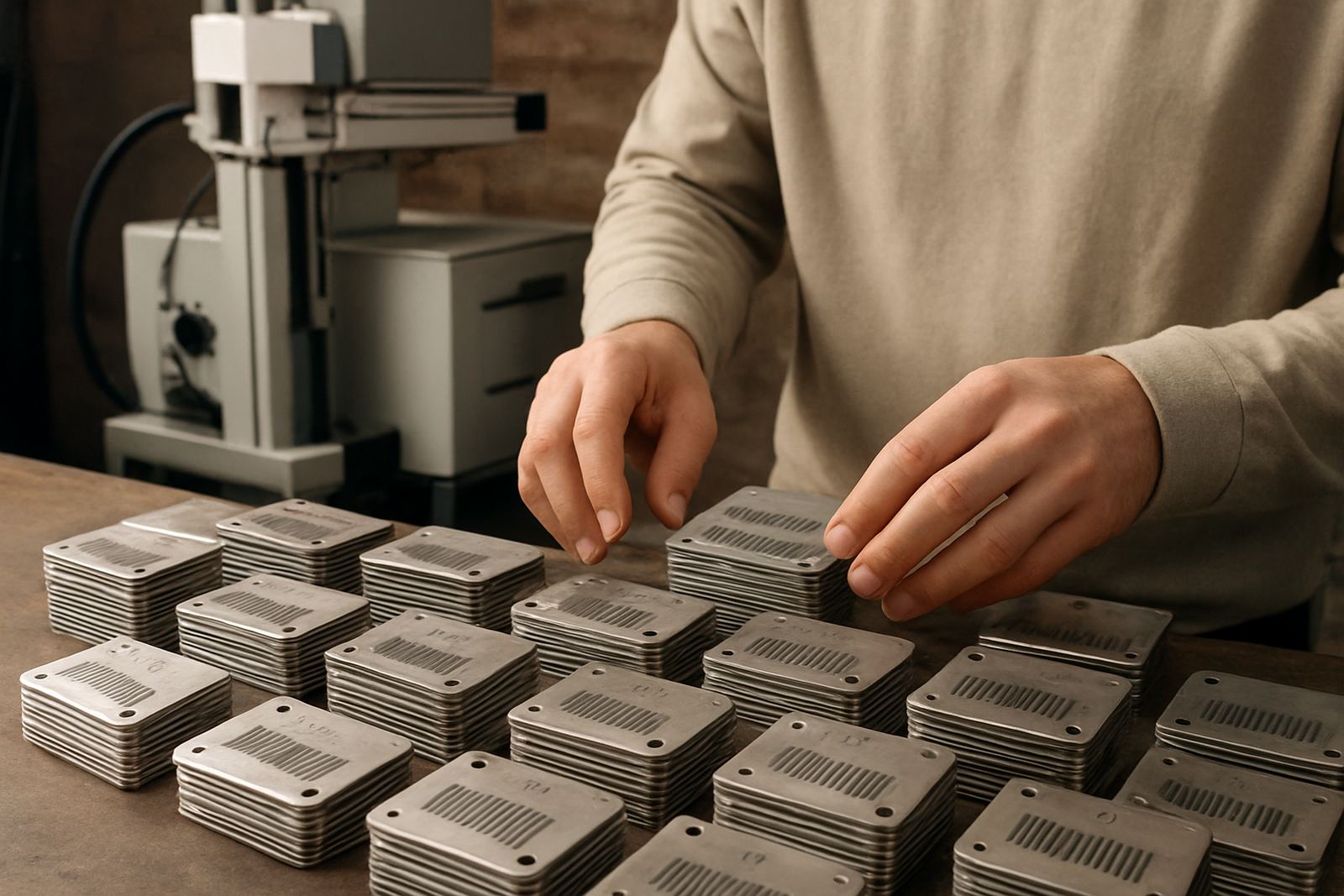
Think about the people who will use it most often. Maintenance teams need clear asset numbers, while auditors may want a unique code that matches the register. If you add a barcode or QR code, test it on site before committing to a full batch. A code that scans on a clean office table may fail once dust, oil or scratches are added.
- Use bold numbering for fast identification.
- Leave enough white space around codes.
- Keep the main asset number in one fixed position.
- Do a sample mark before a full run.
Fixing method matters as much as the tag
How the tag is attached can decide whether it stays in service or disappears in the first week. Rivets suit solid metal surfaces, screws are useful where replacement may be needed, and strong adhesive can work on smooth clean surfaces if the temperature range is right. For vibrating plant, the fixing method must resist movement or the tag may loosen over time.
On certain equipment, a tag needs to survive regular cleaning and rough handling. That means checking the mounting surface, the hole spacing and the clearance around moving parts. It is not enough for the plate to look right, it has to stay put and not interfere with operation. A small mistake here can mean a lot of rework later, especially when a site has dozens of assets to track.
Build the data layout around future use
Many businesses start with a short asset number and later need more detail. That is where planning helps. If the plate is too small for future changes, staff end up adding handwritten stickers or separate labels that fail in heat and moisture. Better to plan the layout so there is room for a company asset number, site code and maybe a service reference if needed.
It also helps to keep the format consistent across all branches and depots. A facility in Boksburg should use the same logic as one in Alberton or Kempton Park, otherwise stock control and maintenance records get messy. Consistent tags make it easier for a single team to manage repairs, audits and relocations without wasting time on guesswork.
- Decide on one numbering system and stick to it.
- Leave room for future codes or revision marks.
- Match the tag format to the asset register.
- Use the same layout across all sites for easier admin.
Match the tag to local conditions and compliance
South African sites often mix indoor and outdoor conditions, so the tag has to cope with both. Coastal sites need better corrosion resistance, while inland factories may deal with dust, heat and power interruptions. If a tag is used on a generator, compressor or backup power cabinet, make sure it remains readable after heat cycles and movement during maintenance. A faded plate is a small problem until it causes a long delay during a callout.
Facility managers should also consider any site rules around permanent marking, especially where equipment is rented, shared or moved between buildings. A well planned asset tag supports audits, stock counts and service scheduling without creating confusion. In practice, the best tag is the one that still makes sense years later even after a few transfers and a couple of repairs.
A workshop example from Wadeville asset marking work
A fabrication workshop in Wadeville may need tags for benches, jigs, power tools and stored equipment. If the tags are made from the wrong material or the numbering is inconsistent, staff waste time trying to match assets to service records. Once the business standardised the tag size, material and numbering pattern, stock checks became quicker and technicians could move from one bay to another without stopping to confirm every item.
That kind of improvement does not need complicated hardware. It starts with the right material choice, a clean mark, sensible fixing and a layout that suits the job. For businesses that install or maintain assets across multiple sites, the same approach helps whether the work is in Germiston, Jet Park, Isando or further afield. Small choices at the tag stage can save hours later, and that matters when a plant is under pressure.