Why Stainless Steel Can Mark Dark Instead of Just Shiny
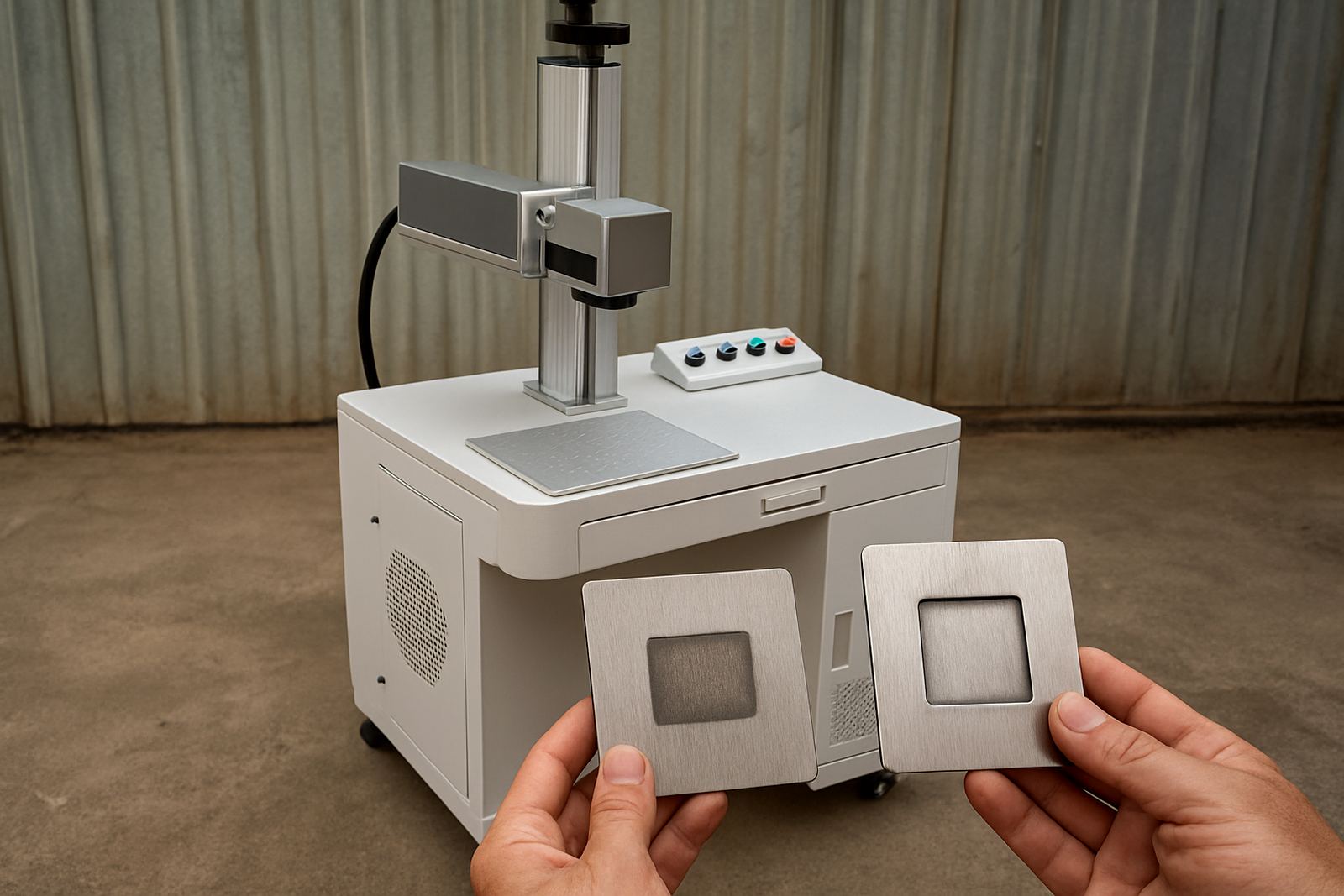
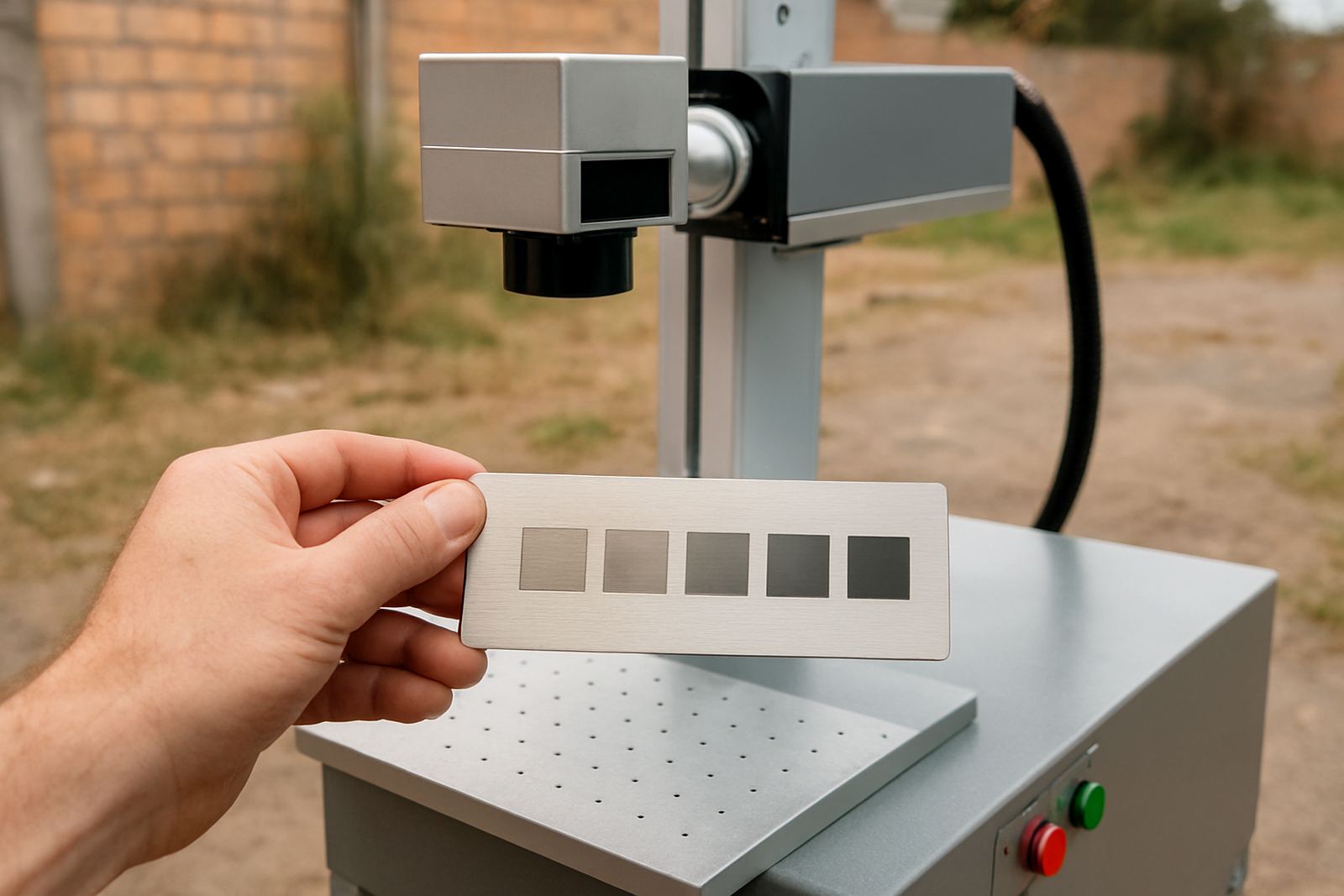
Stainless steel is often marked for serial numbers, logos, QR codes and product names, but getting a dark result takes more than pressing start. The surface must absorb enough energy to change colour without cutting too deep or leaving a rough edge. On polished or brushed grades, the mark can look grey, light brown or deep black depending on the finish and the machine setup.
The darker look usually comes from controlled surface oxidation or a very fine texture change at the top layer. On small metal components, this is useful because the mark stays visible without paint, stickers or stamping. For parts that face cleaning chemicals, humidity or handling, a properly set fibre laser gives a cleaner result than ink or adhesive labels.
- Best for parts that need permanent identification
- Useful on brushed, polished and some matte stainless finishes
- Works well where labels peel off in heat or moisture
- Can be used on cups, tags, instruments and jewellery pieces
What Affects the Darkness of the Mark
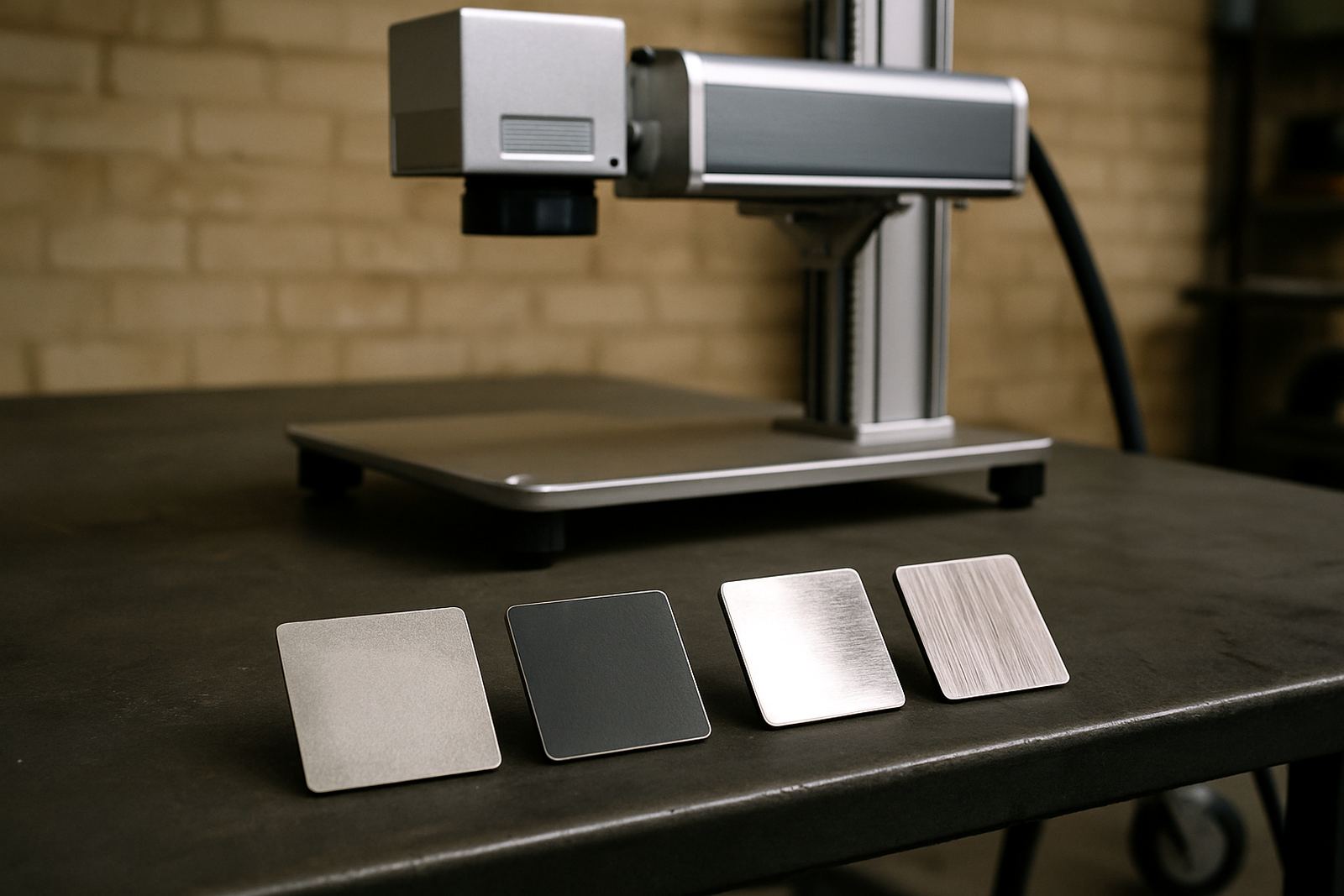
The same stainless part can produce very different results if one setting changes. Power, frequency, speed, hatch spacing and focus all matter. The base metal, grade and polish also play a big role. A mirror-like surface in a jewellery workshop may react differently to a brushed bracket used in a food factory, even if both are stainless steel.
Dark marking is not only about strength. Too much power can leave a damaged surface or slight raised edges, while too little power gives a pale mark that washes out under workshop light. A careful sample marking run is the safest way to dial in the balance before a full production batch goes through.
- Surface finish: polished, brushed or bead blasted
- Material grade: different stainless grades respond differently
- Mark size: fine text may need slower speeds
- Viewing angle: a mark that looks dark head-on may appear lighter at an angle
Where Black Marking Helps Most in South African Workshops
In Germiston, Wadeville and nearby industrial areas, stainless steel is used across fabrication, catering equipment, panels, name plates and precision parts. Black marking helps when a client wants neat identification that still looks professional after transport, installation and repeated cleaning. It is also practical where load-shedding interruptions make it important to work quickly and avoid redoing jobs.
We often see strong demand from small jobbing shops and larger production lines that need part traceability. A good black mark can carry batch numbers, shift codes, company names or warning symbols in a way that holds up in local conditions, including coastal humidity for customers sending parts to Durban or Port Elizabeth. For jewellery makers, darker marks can also support branding on clasps, rings and pendants without crowding the design.
- Workshop identification on fabricated parts
- Product branding on stainless jewellery
- Serial numbers for traceability
- Compliance markings on equipment plates
- Clean logos on small decorative items
How We Set Up a Job for Dark Contrast
A useful marking result starts with sample testing. We look at the stainless grade, the finish, the size of the area and the level of contrast needed. Then we set up the marking file, focus the lens and test a few variations before settling on the best outcome. On some parts the best result comes from a slightly slower pass and tighter control of the beam, not simply more power.
Good fixture design matters too, especially on small or awkward shapes. If the part shifts, the mark can lose position or consistency. Our team also helps with software setup so operators can store repeat jobs, reduce setting errors and keep marking time steady across a batch. For sites with multiple users, clear operator steps save time and reduce scrap.
- Check the stainless grade and surface condition
- Run sample markings before production
- Use a fixed fixture for repeatable results
- Store working settings for common jobs
- Keep the lens clean and the focus checked
Keeping Marks Consistent on Busy Production Days
Once the settings are right, consistency comes down to routine maintenance and disciplined use. Dust on the lens, a loose fixture or worn cables can change the result from one shift to the next. In Gauteng workshops, this matters because production often runs alongside power interruptions, quick changeovers and urgent repeat orders.
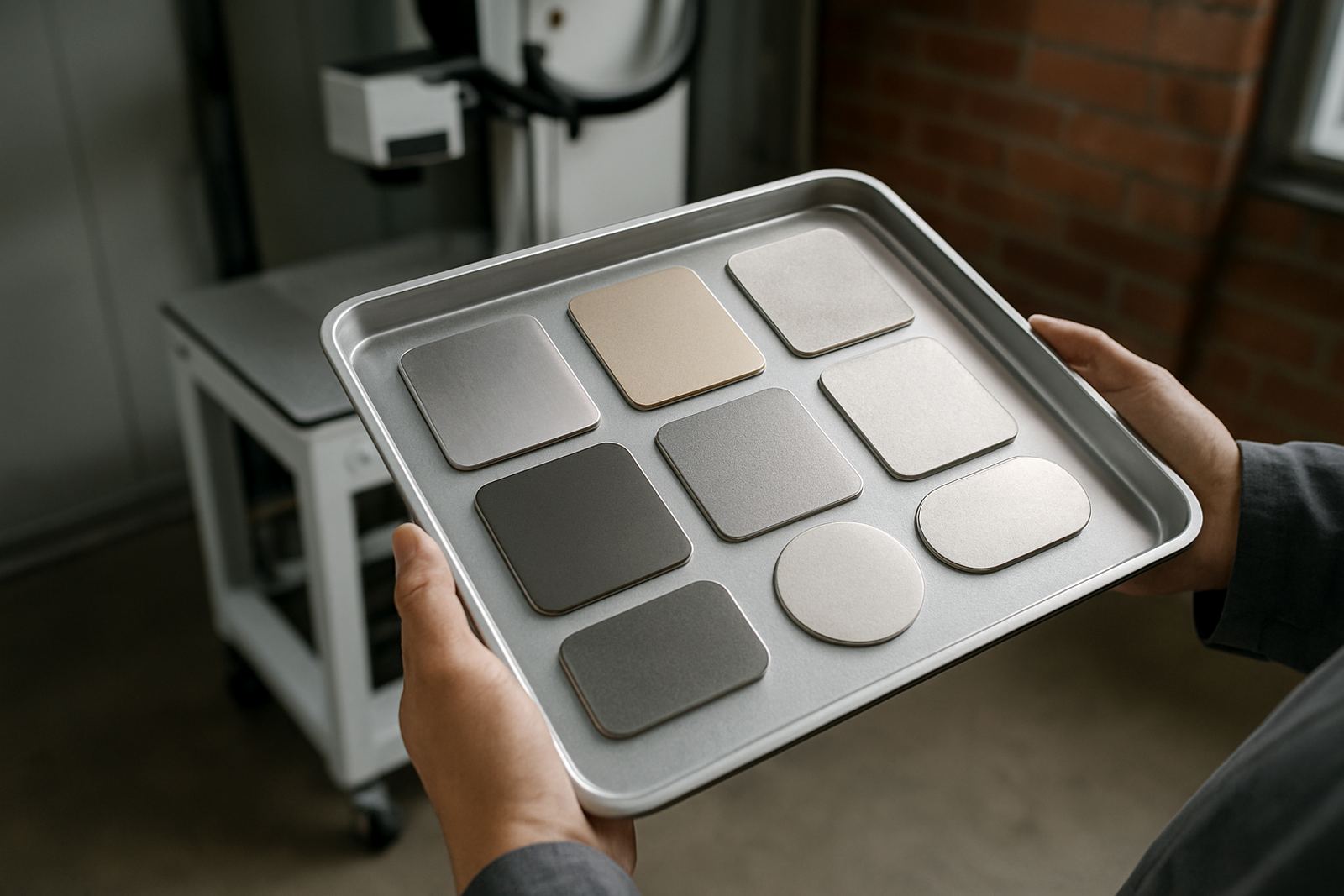
Preventive maintenance helps keep contrast stable, especially on machines used every day. A clean work area, correct cooling and regular focus checks reduce variation. If the mark starts to look pale or patchy, it is usually better to inspect the setup than to keep running parts and hope it improves. Small issues are cheaper to sort early, before a full tray of parts has to be redone.
For clients in Wadeville, Jet Park, Isando and Kempton Park, local support also helps when a job is time sensitive. If a site needs a machine move, a new setup or a process change for a different stainless finish, having field service available saves a lot of waiting and keeps the work moving.
A Practical Example from a Germiston Fabrication Job
A local fabrication client in Germiston needed dark part numbers on brushed stainless name plates for a machine assembly order. The first samples looked too light because the finish was reflective and the text was very fine. After adjusting focus, slowing the marking speed and changing the hatch pattern, the final result came out much darker and easier to read under workshop lighting. The customer then used the same settings for later batches with only small checks before each run.
This is the main point with black marking on stainless steel: the result is repeatable, but only when the surface, setup and handling are treated as part of the process. A good machine can do precise work, yet the best results still come from testing, training and knowing how the metal behaves in real conditions.
For South African businesses that need durable markings, the goal is simple. Make the mark clear, keep it consistent, and match the setup to the stainless in front of you.
What to Ask Before You Mark Stainless Steel
If you are choosing a system or planning a new marking job, a few practical questions help avoid wasted material. They also make it easier to decide whether a dark finish is possible on your specific stainless surface.
- What grade and finish is the stainless steel?
- Do you need pure black contrast or simply a darker readable mark?
- Will the part be cleaned, handled or exposed to humidity?
- Is the job for one-off samples or regular production?
- Do you need fixture design, operator training or breakdown support after installation?
These details matter because black marking is not one-size-fits-all. The right setup can save time, reduce rejects and give a mark that stays readable long after the part leaves the workshop.