
Why gold needs a different marking approach
Gold is soft, valuable and often already finished by the time it reaches marking. That means the process has to protect polished surfaces, avoid excess heat and leave a mark that is readable without looking heavy. On rings, bracelets and pendants, even a small error can spoil the item or force rework, so the setup matters as much as the operator.
For jewellery makers in South Africa, the goal is usually to mark serials, logos, purity details or identification codes in a way that holds up under cleaning and everyday handling. A fibre laser is well suited to this because it gives tight control over the beam and can create fine detail on small surfaces. On yellow gold and white gold alike, the right settings help keep the finish clean instead of scratched or burnt.
What to check before marking a gold piece
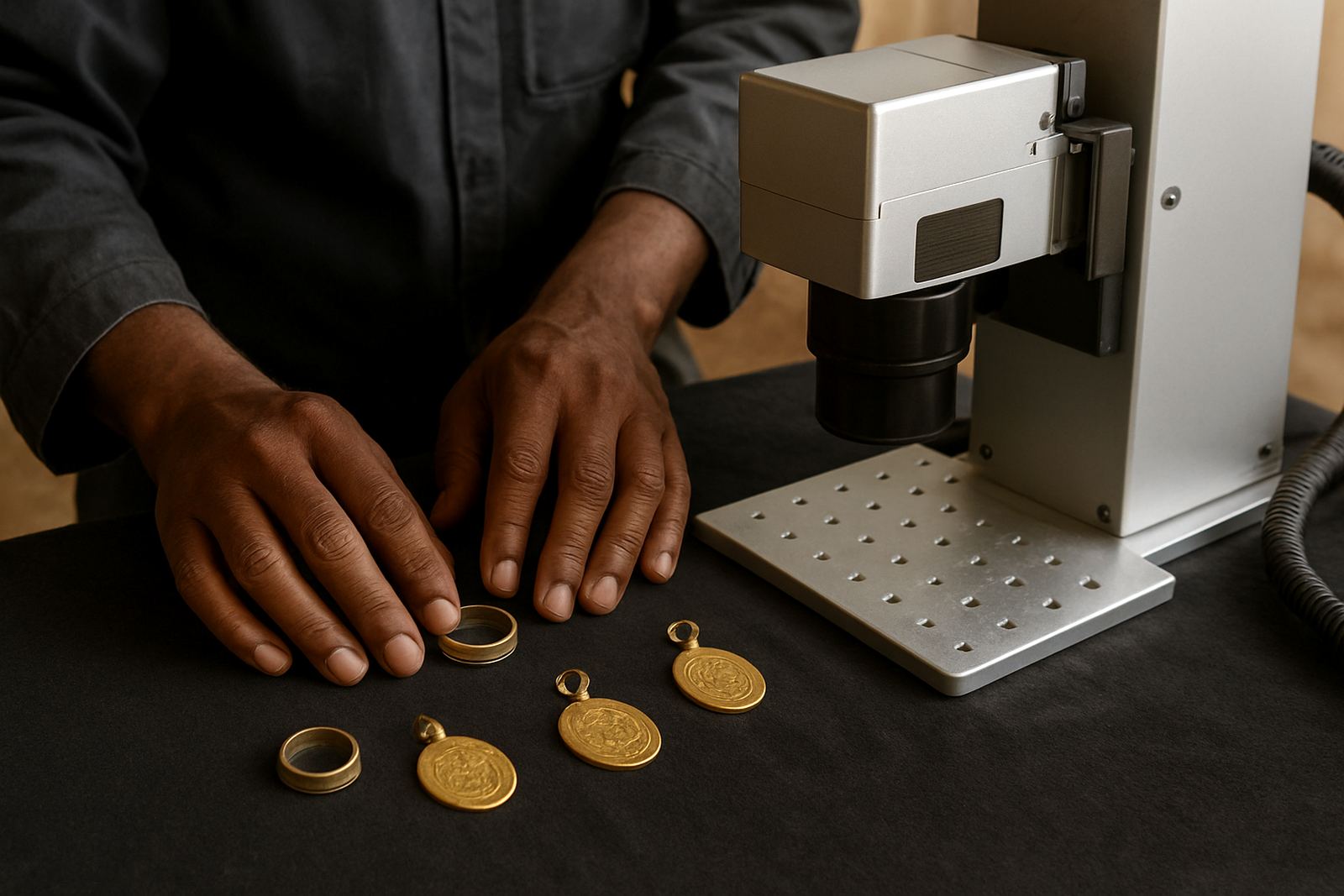
Before any engraving starts, the piece should be cleaned, secured properly and checked for the marking position. Jewellery is often irregular in shape, so a simple flat table setup is not always enough. Rings need a steady fixture, pendants may need a soft clamp and polished chains need support so they do not twist during the cycle.
- Confirm the exact mark size and location before the job starts
- Check whether the piece is solid gold, plated or hollow
- Use a fixture that keeps the item still without denting it
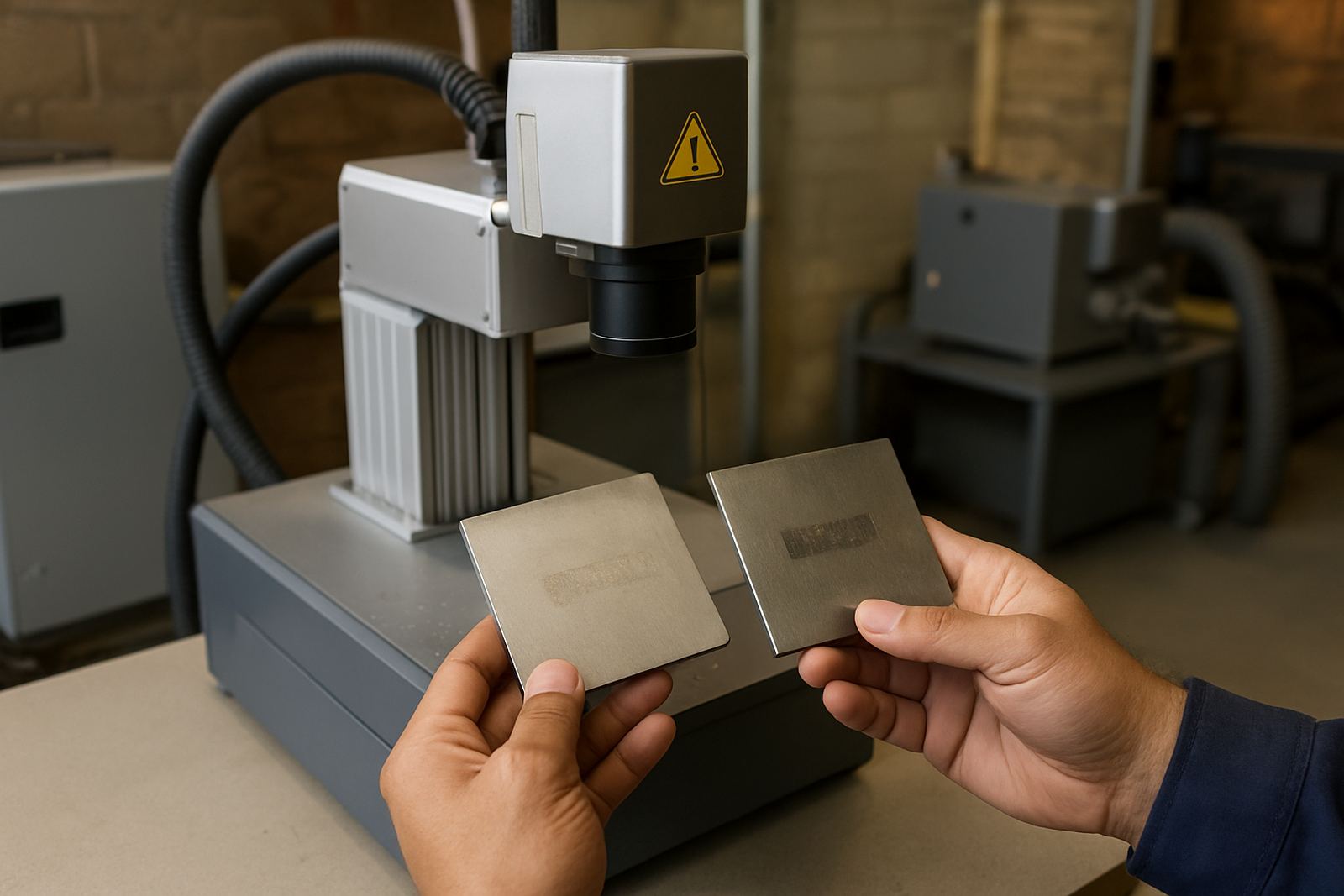
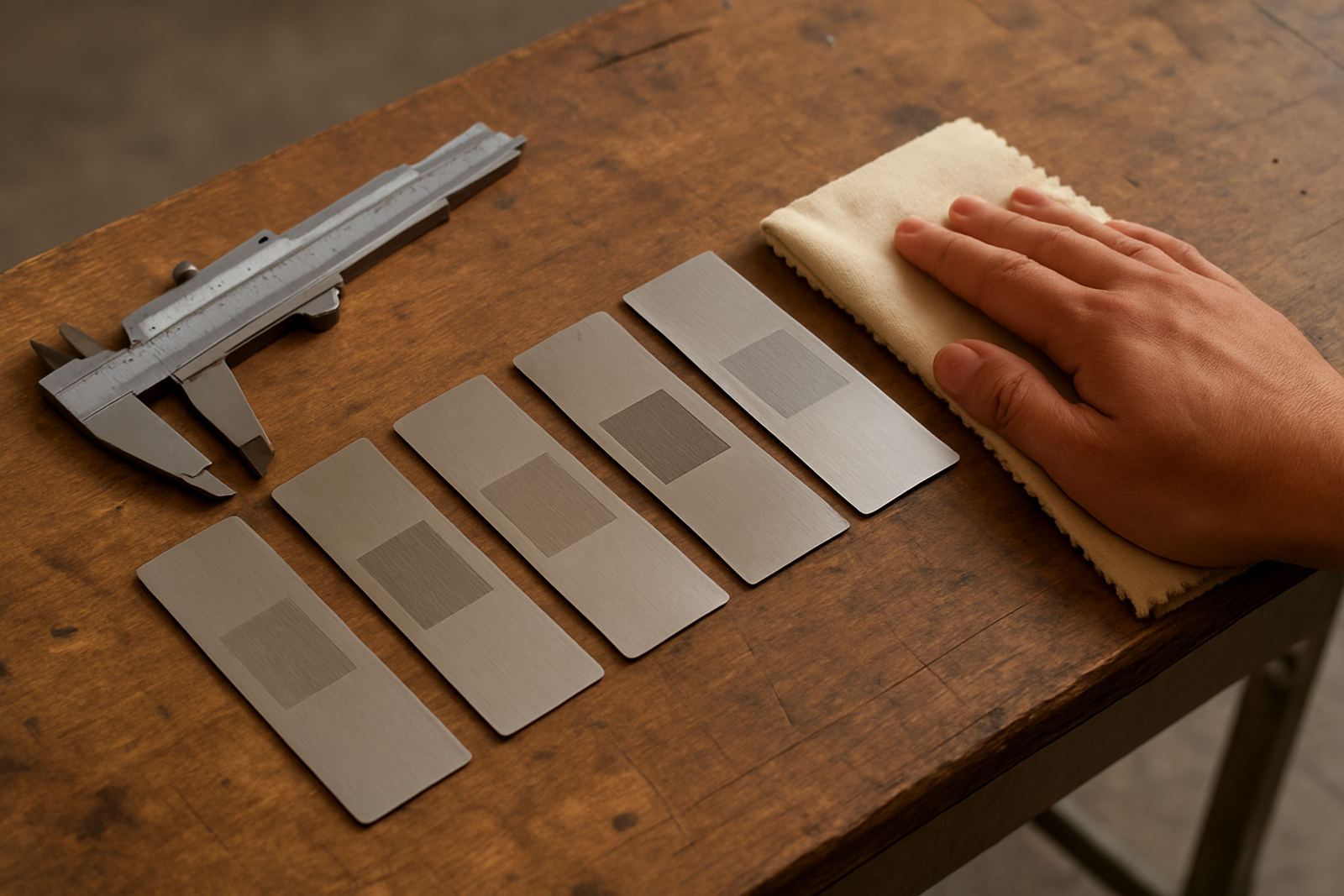
- Test on a sample or offcut where possible
- Keep the surface free of polish, oil and dust
A good operator also checks how the mark will be read. A logo that looks fine on screen may be too small on a 4 mm ring band. On delicate pieces, a deeper mark is not always better. Often the cleaner result comes from the right focus, the right speed and a careful first pass.
Settings that help protect fine jewellery
Fibre laser marking on gold is usually about precision rather than power. Short runs, correct focus and well chosen line spacing help create a crisp mark without unnecessary heat spread. That matters on jewellery because too much energy can dull the polish around the mark or leave a rough edge that catches the eye.
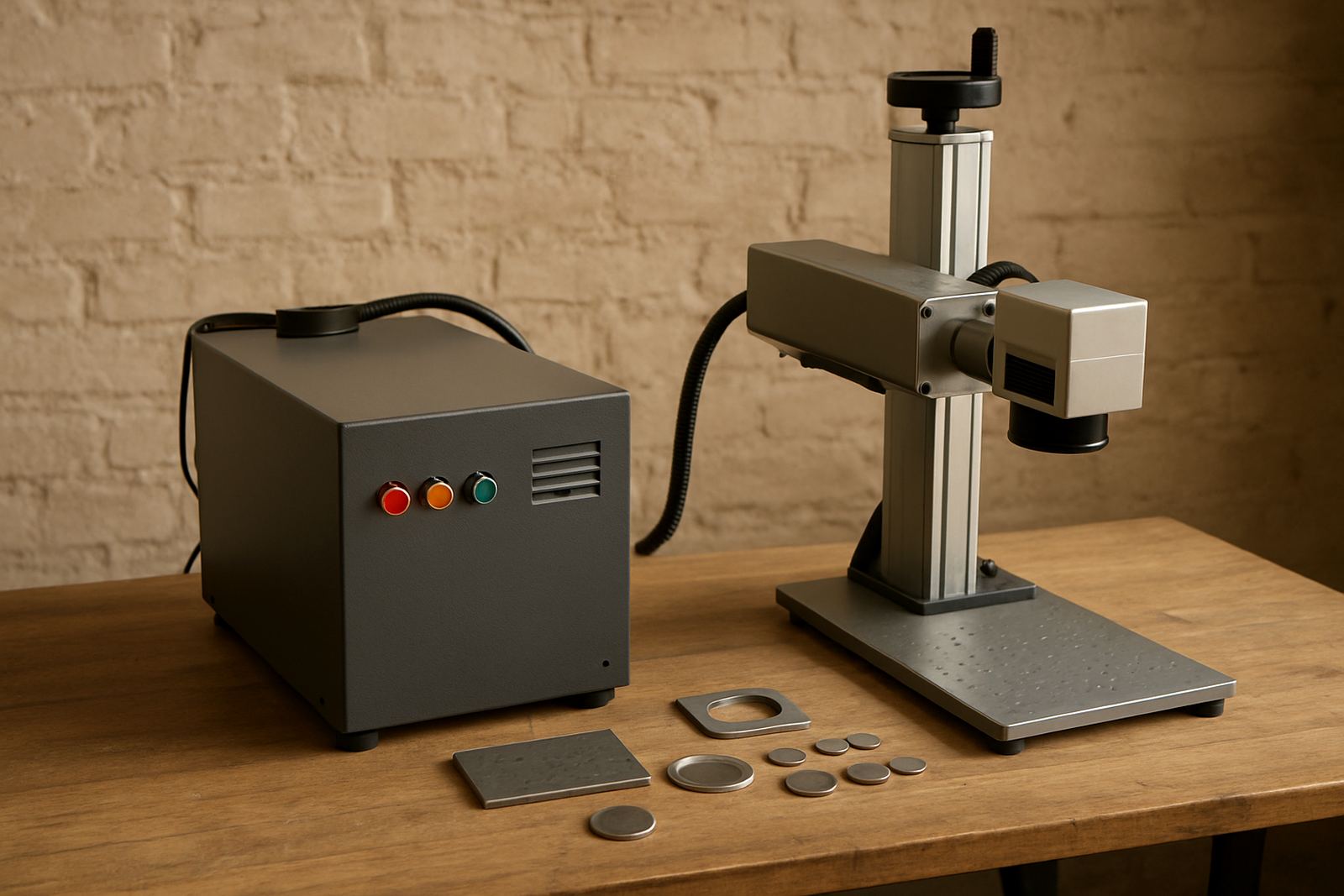
The software and lens choice also matter. A fine lens is useful when you need small text or detailed artwork, while a larger working area helps with trays of tags, keepsakes and batch work. If a workshop handles both plain bands and detailed pieces, the system should be set up to switch between jobs without long delays.
In practice, the best result comes from repeatable settings. Once a mark style has been approved, it should be stored and used again for future batches. That avoids variation between operators and helps keep customer returns down.
- Keep power low and build depth only if the job needs it
- Use accurate focus for each ring size or pendant shape
- Store approved job files for repeat orders
- Check ventilation in a small workroom, especially where several units run in a row
Batch work for workshops and small manufacturers
Many jewellery businesses in South Africa do not mark only one item at a time. They handle batches for retailers, custom orders, repairs and export work. A busy workshop in Germiston or Boksburg may need to mark dozens of pieces in a morning and still keep each item traceable. In that setting, speed only helps if it does not reduce consistency.
Good batch work starts with a clear workflow. Pieces should be sorted by type, packed by job and marked in a fixed order so nothing gets mixed up. If the same serial number or purity mark is used across a range, the operator should verify every file before starting. That saves time and reduces costly mistakes, especially on higher value stock.
Where the workshop works with mixed metals, the marking plan should be specific to gold items. A setting that suits stainless steel may not be ideal for a thin 9 ct pendant. For that reason, sample marking and process optimisation are worth doing before a full production run.
Local conditions that affect jewellery marking
South African workshops deal with load-shedding, dust and sometimes coastal humidity if work moves between Gauteng and the coast. In Wadeville, a stable power plan and routine maintenance help keep marking quality steady. Sudden stops during a run can interrupt the job file and waste time, so it helps to have proper restart steps and a UPS where needed.
Humidity can also affect storage and handling. Gold itself will not rust, but packaging, fixtures and nearby tools can pick up moisture. Clean storage trays and dry work surfaces make a difference, especially when fine pieces are being handled by more than one person. If a workshop relocates or expands, the machine should be refocused and recalibrated on site before production resumes.
A practical local example is a small jewellery studio in Alberton producing engraved wedding bands. The team may only need short runs each day, but every ring must line up exactly. In that case, training the operator, setting a repeatable focus routine and keeping a spare fixture on hand can prevent delays and avoid mark rework.
Support that matters after the machine is installed
For jewellery marking, the machine is only part of the story. Installation, operator training, software setup and follow-up support shape the final result just as much. A team that understands fine marking can help with focus calibration, fixture design and sample marking before the first customer order goes out.
After installation, regular preventive maintenance keeps the lens area clean, the motion stable and the mark quality consistent. If a workshop has a breakdown or needs an adjustment, remote assistance and field service can reduce downtime. For businesses in Gauteng, that can mean direct support, while nationwide installs and training help teams outside the region get up to speed properly.
- Machine installation for single units and workshop upgrades
- Operator training for jewellery staff and supervisors
- Software setup for repeat jobs and traceability
- Preventive maintenance and breakdown repairs
- Fixture design for rings, pendants and tags
When gold jewellery marking is done well, the mark becomes part of the piece instead of a flaw. That is the standard worth aiming for.