How a fibre laser makes a mark on metal
A fibre laser marking machine uses a concentrated beam of light that is delivered through optical fibre and focused onto the surface of the part. Instead of cutting deep like a heavy industrial cutter, it changes the surface of the material in a controlled way. Depending on the setting, it can darken the metal, remove a thin layer, or create a very fine engraved finish.
That is why fibre laser is popular for stainless steel, aluminium, brass, mild steel and coated metals. The mark is crisp, readable and long lasting, which matters when parts are handled, cleaned, heat-treated or fitted outdoors. For job shops in Wadeville or Jet Park, it also means less rework when a batch needs to be marked the same way every time.
Why metal parts and jewellery suit fibre laser marking
Metal surfaces need a marking method that will not rub off or fade. Fibre laser works well because the mark is part of the surface, not something printed on top. That makes it useful for serial numbers, barcodes, compliance labels, batch codes, company logos and small technical text on parts that have to survive oil, handling and cleaning chemicals.
For jewellery, the laser can produce fine detail on rings, pendants, tags and small components. It is especially useful where space is tight and the finish needs to stay neat. A local example is a Germiston workshop marking stainless tags for equipment sold into mining and plant maintenance, where the tags must still be readable after years in service.
- Permanent marking for traceability
- Fine detail on small items
- Clean marking with no ink or solvents
- Suitable for metal parts that must keep their finish
What the machine setup includes in a working workshop
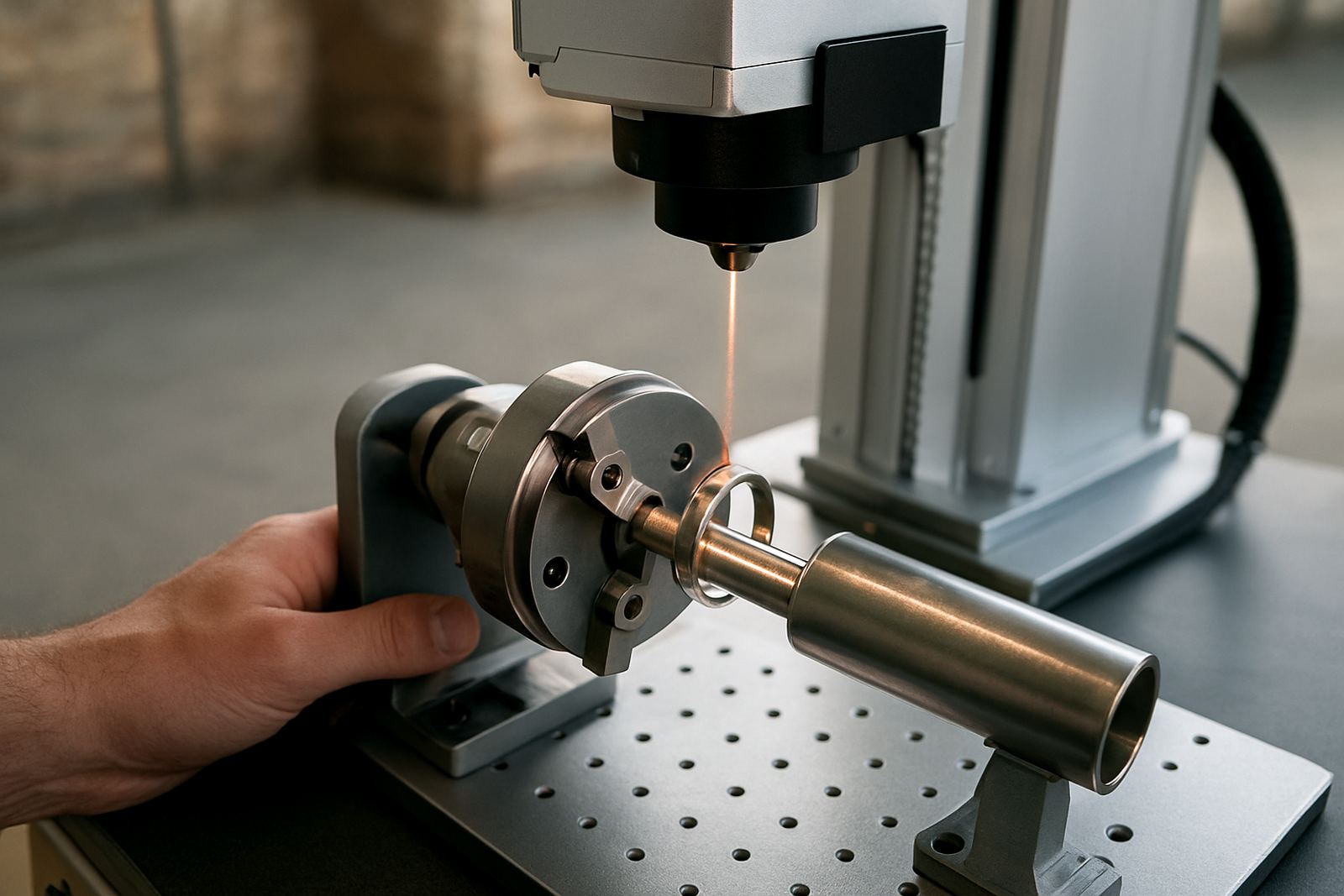
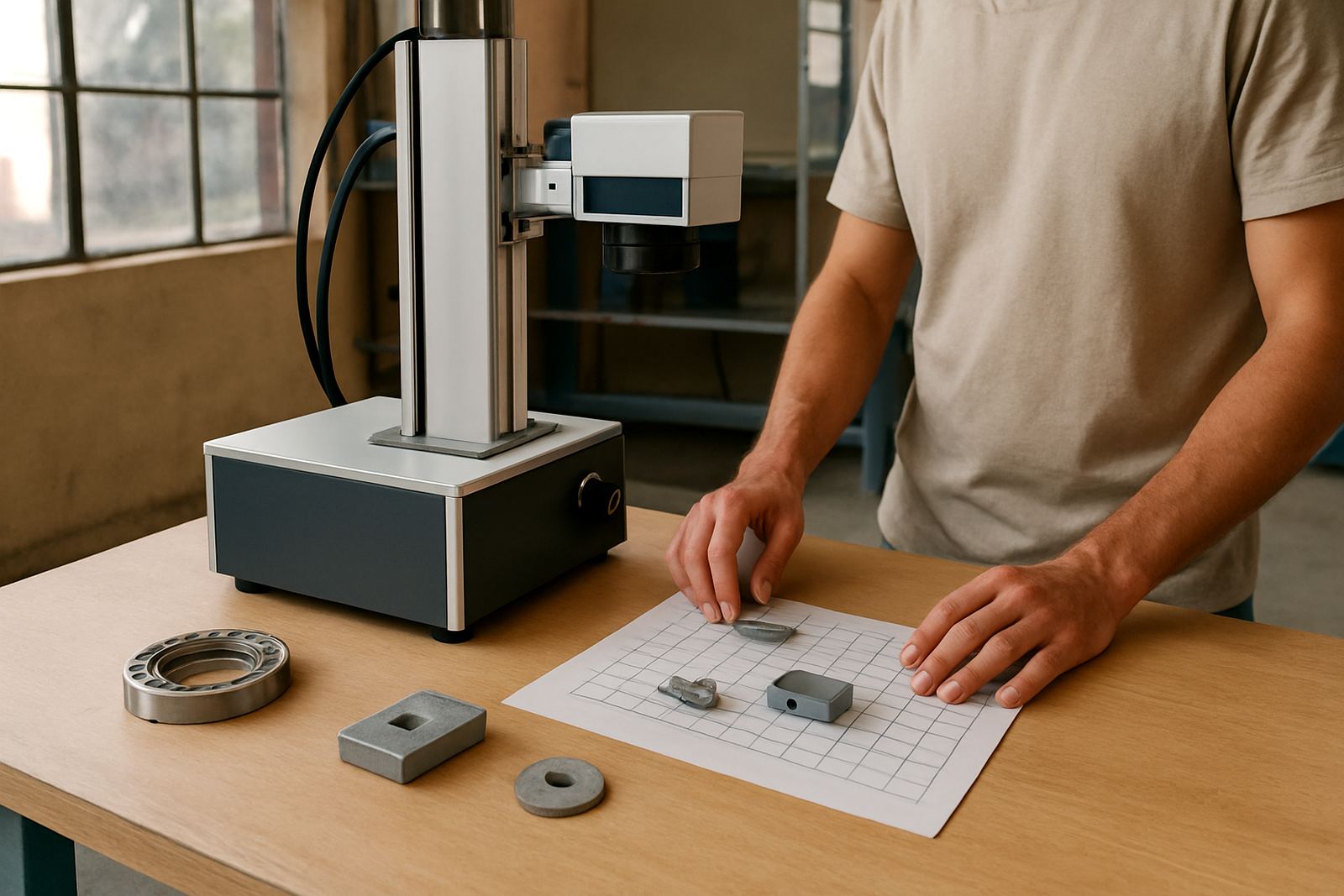
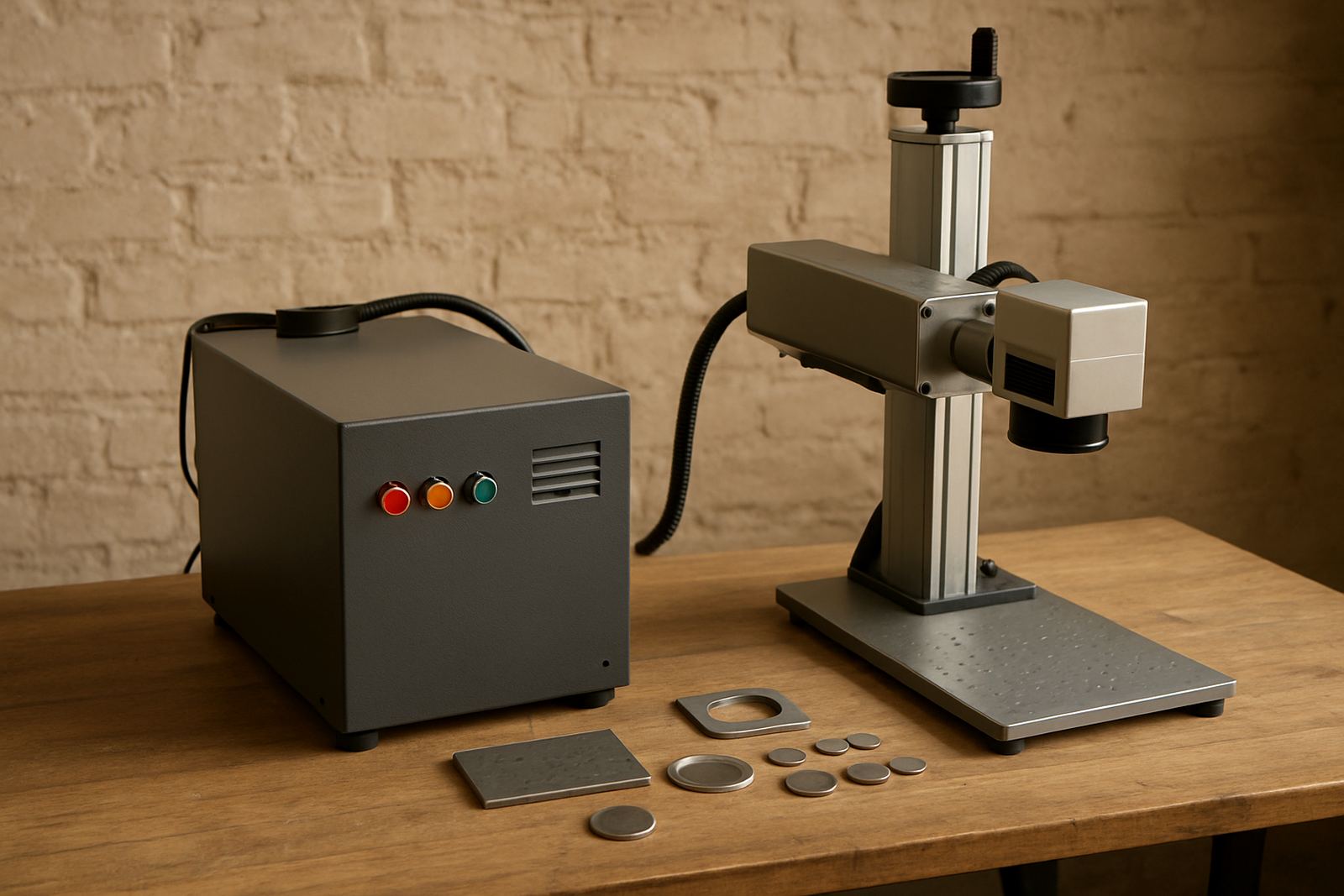
A fibre laser marking setup is usually straightforward, but the details matter. The machine needs a stable work surface, the correct power supply, and a safe area for the operator to place parts. Some workshops use a rotary attachment for rings, tubes or round components, while others need a fixture for holding batches of flat parts in the same position.
Good software setup is important because it controls the mark layout, text height, serial numbers and file import. If the machine is going to work across different jobs in the same day, the file naming and operator steps must be clear. That saves time and cuts down on mistakes, especially when load-shedding or a site move has interrupted normal production and the team needs to get back into rhythm quickly.
Choosing a marking method for South African conditions
Marking conditions vary widely between South African workshops. Coastal humidity, dust in industrial areas, power interruptions and varying material grades all affect how marking equipment should be specified. Fibre laser has an advantage because it uses very little consumable material and the marking process is consistent once the settings are right.
For a factory in Alberton or Boksburg, that consistency helps when batches need to match across multiple shifts. For a small repair shop in Kempton Park, it helps when the operator is changing from one job to another through the day. The main point is to choose a machine that suits the parts you actually mark, not just the sample you see in a brochure.
- Check the metal type and finish
- Confirm the mark size and clarity required
- Allow for fixture design if parts are irregular
- Plan for site power, ventilation and safe operator access
Practical benefits for production, traceability and compliance
Many businesses choose fibre laser marking because it improves traceability without slowing the line down too much. A clear part number or serial number makes stock control, after-sales support and warranty tracking easier. In sectors where records matter, a legible permanent mark can be part of the quality process and it helps when a customer asks where a part came from.
There is also a cost benefit over time. Once the machine is installed and the process is set, there are no inks to replace and no labels to stock for every item. That said, setup still matters. A good focus calibration and the right test mark can make the difference between a neat production result and a dull mark that is hard to read. It sounds simple, but the correct focus and speed save a lot of wasting out in the shop.
Installation, training and support across South Africa
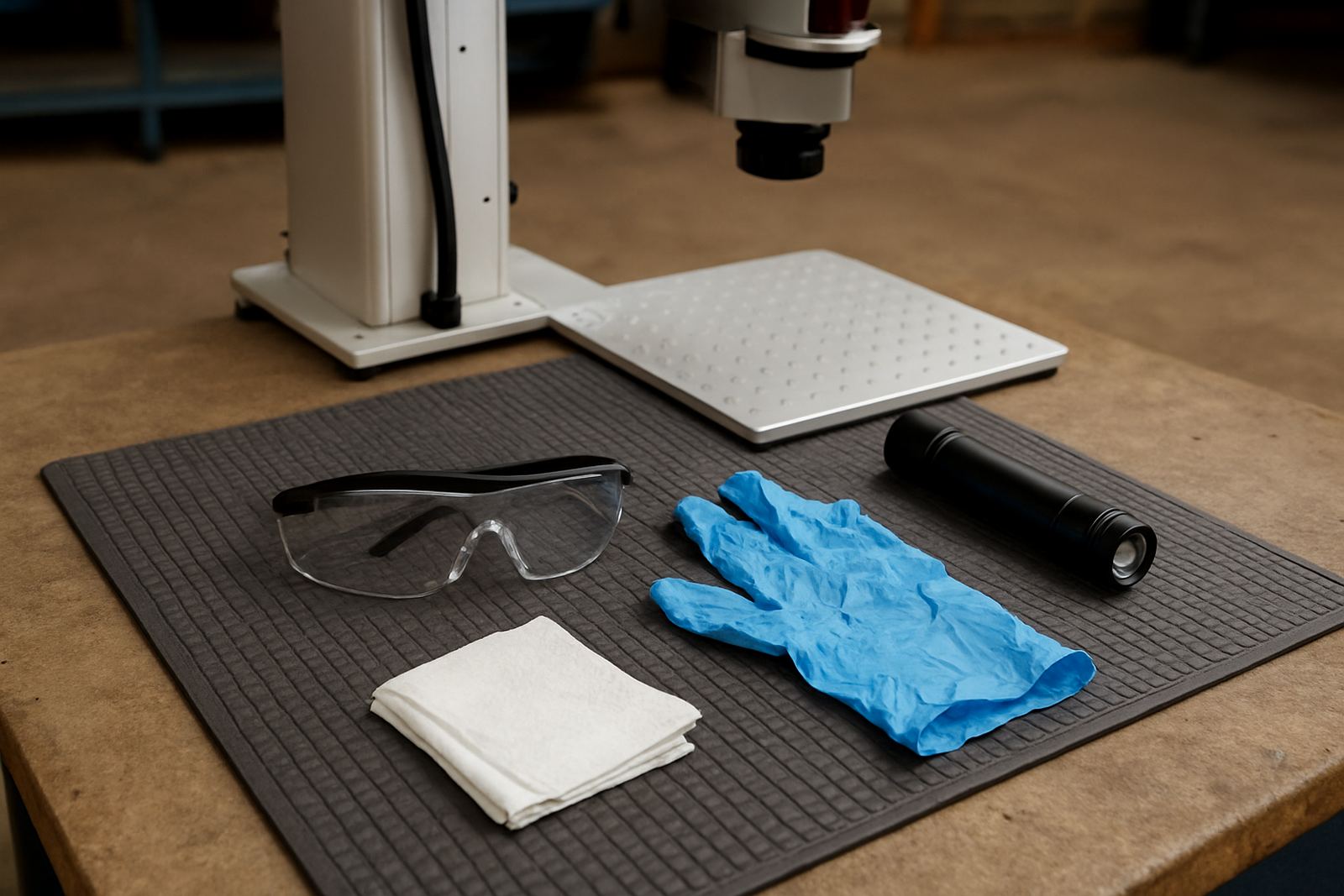
Fibre laser marking works best when the machine, operator and process are set up together. That is why installation and training are part of the job, not an afterthought. A proper handover covers safety, software use, fixture layout, sample marking and daily checks so the workshop can keep producing without calling for help on every small change.
Fibre Laser Marking works from Wadeville, Germiston and supports clients nationwide, with installs and training in areas such as Jet Park, Isando, Kempton Park, Boksburg and Alberton. Their support team can help with machine installation, preventive maintenance, breakdown repairs, spares supply, process optimisation, site relocation and remote assistance. For a business that needs to keep marking through a full production week, that practical backup matters.