Start With the Job the Nameplate Must Do
Before any marking starts, define what the plate must communicate and how long it must last. A nameplate for a motor, switch cabinet, pump skid or jewellery tool does not need the same layout or depth. The first question is simple: will the plate be read once during installation, or every day by operators and inspectors?
For industrial work, legibility matters more than decoration. Keep the message short and direct. Use the asset number, model, serial, voltage, date and any compliance note that is required. If the plate has too much text, the small details become hard to read after a few years of vibration or cleaning.
The workplace around the plate matters as much as the plate itself. A factory in Germiston with dust, coolant and forklifts creates a very different test from a jewellery counter or a small workshop. Coastal humidity, outdoor weather and chemical wash-down all affect how a plate should be made and fixed in place.
Choose the Right Metal and Finish for the Site
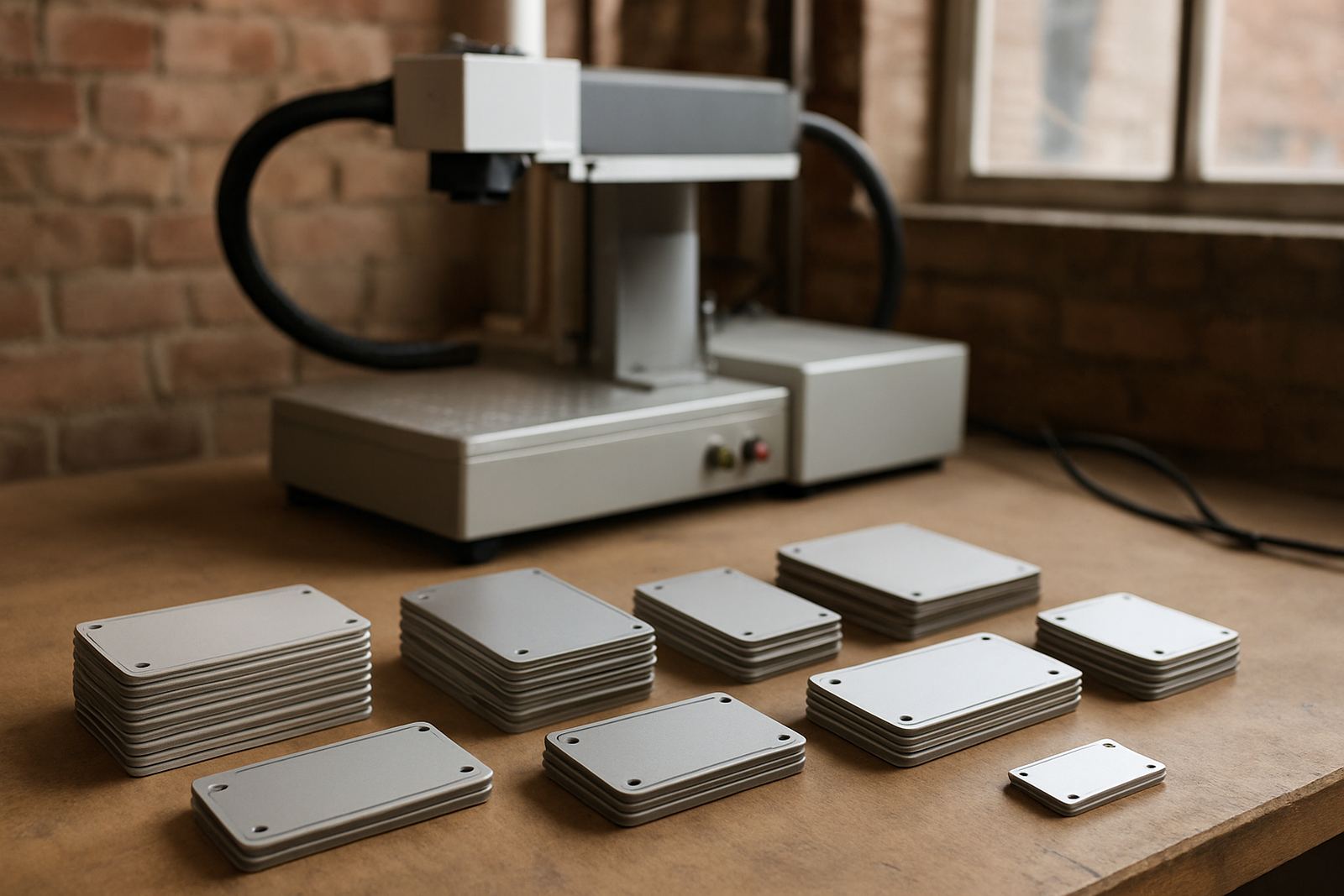
Material selection is one of the most important choices in nameplate production. Stainless steel is common for hard-wearing industrial plates because it handles moisture and cleaning better than many other options. Aluminium can work well for lighter duty items, but it should be specified with care if there is exposure to oils, solvents or abrasion. Brass and coated metals may suit decorative or identification work where appearance matters, but the site conditions must be checked first.
The finish affects both durability and reading clarity. A matte or brushed surface often reduces glare on bright shop floors. A polished surface can look smart, but it may reflect overhead light and make the text harder to read at certain angles. In strong sunlight, that matters more than people expect.
- Use stainless steel for wet, chemical or high-touch areas.
- Use aluminium where weight matters and conditions are controlled.
- Choose a finish that keeps text visible under site lighting.
- Confirm whether the plate must resist outdoor UV, salt air or wash-down.
Marking Depth, Contrast and Readability
On industrial nameplates, shallow marking may look fine on day one but disappear too quickly once the plate is exposed to wear. Fibre laser marking gives strong control over depth and contrast, which helps with small text, serial numbers and fine logos. For plates that must survive handling, choose a marking strategy that creates a clear visual difference between the marked area and the base metal.
Spacing is just as important as depth. Keep characters large enough for the end user to read without guesswork. A cramped layout may save space, but it becomes a problem when a technician needs to identify a part during a shutdown. If the plate is going onto equipment that may be serviced in poor light, increase font size where possible and avoid too many line breaks.
It is also wise to check the marking against the actual viewing angle. A plate mounted low on a machine may be read from above, while a control panel plate could be seen from the side. Test the sample on the same material and at the same size before full production.
Fixings, Mounting and Vibration Points
Even a well-marked plate can fail if it is mounted badly. Rivets, screws, industrial adhesive and welded fittings all have their place, but the right choice depends on surface type, heat and vibration. In a plant with constant machine movement, mechanical fixing is often safer than adhesive alone. On smooth cabinets or finished surfaces, installers may prefer a cleaner attachment method, but the surface prep must be correct.
Where possible, allow for service access. Plates should not cover inspection ports, hinge paths or maintenance labels. If the equipment is likely to be relocated, choose fixings that can be removed without damaging the machine. This is especially useful for contractors working across Gauteng, where plant changes happen quickly and equipment is often moved between sites.
- Check for vibration before deciding on the fixing method.
- Match the fixing to the surface, whether painted steel, powder coat or bare metal.
- Leave enough edge clearance so screws do not split thin material.
- Do a quick fit check before final installation on the line.
Samples, Proofs and the Cost of Getting It Wrong
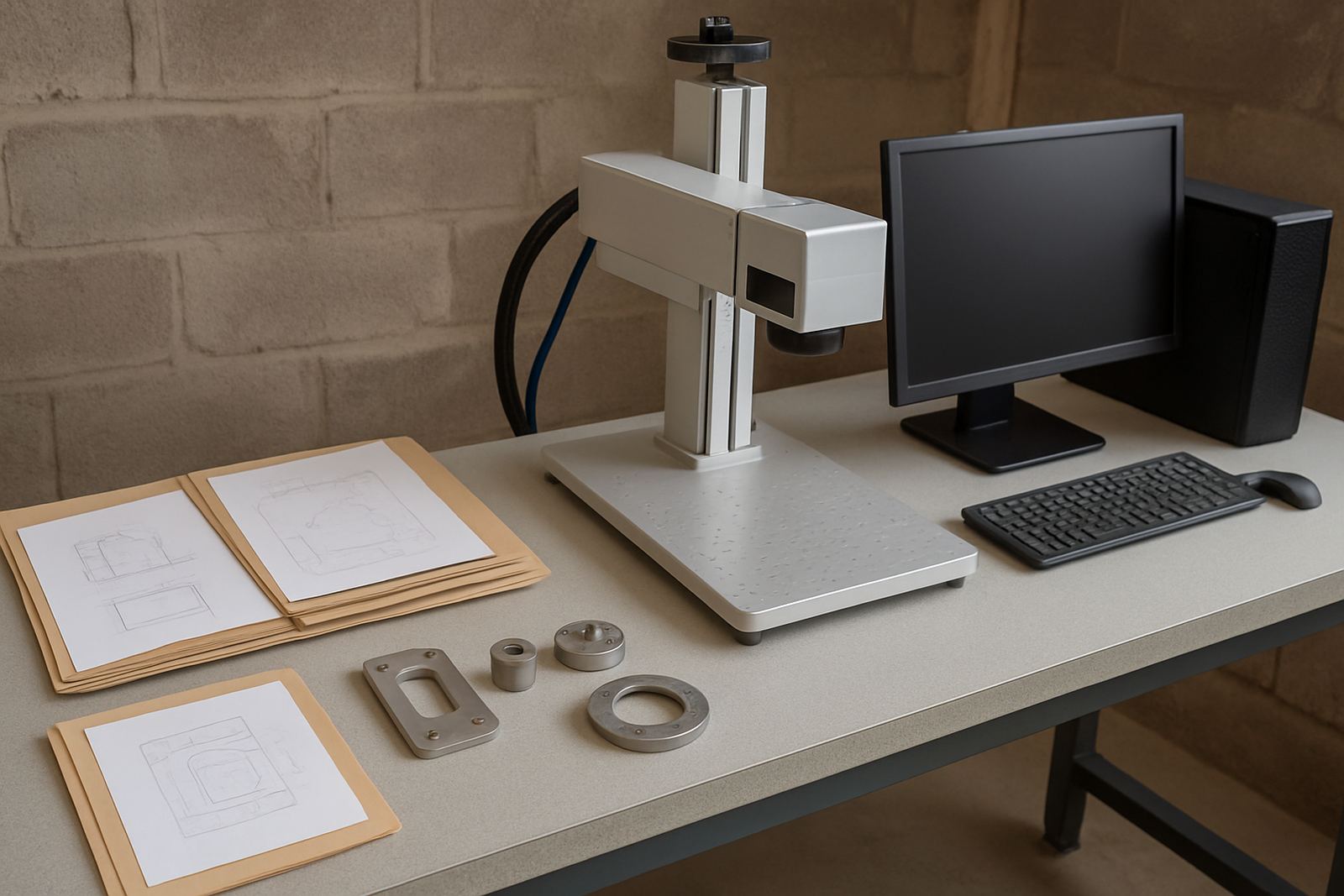
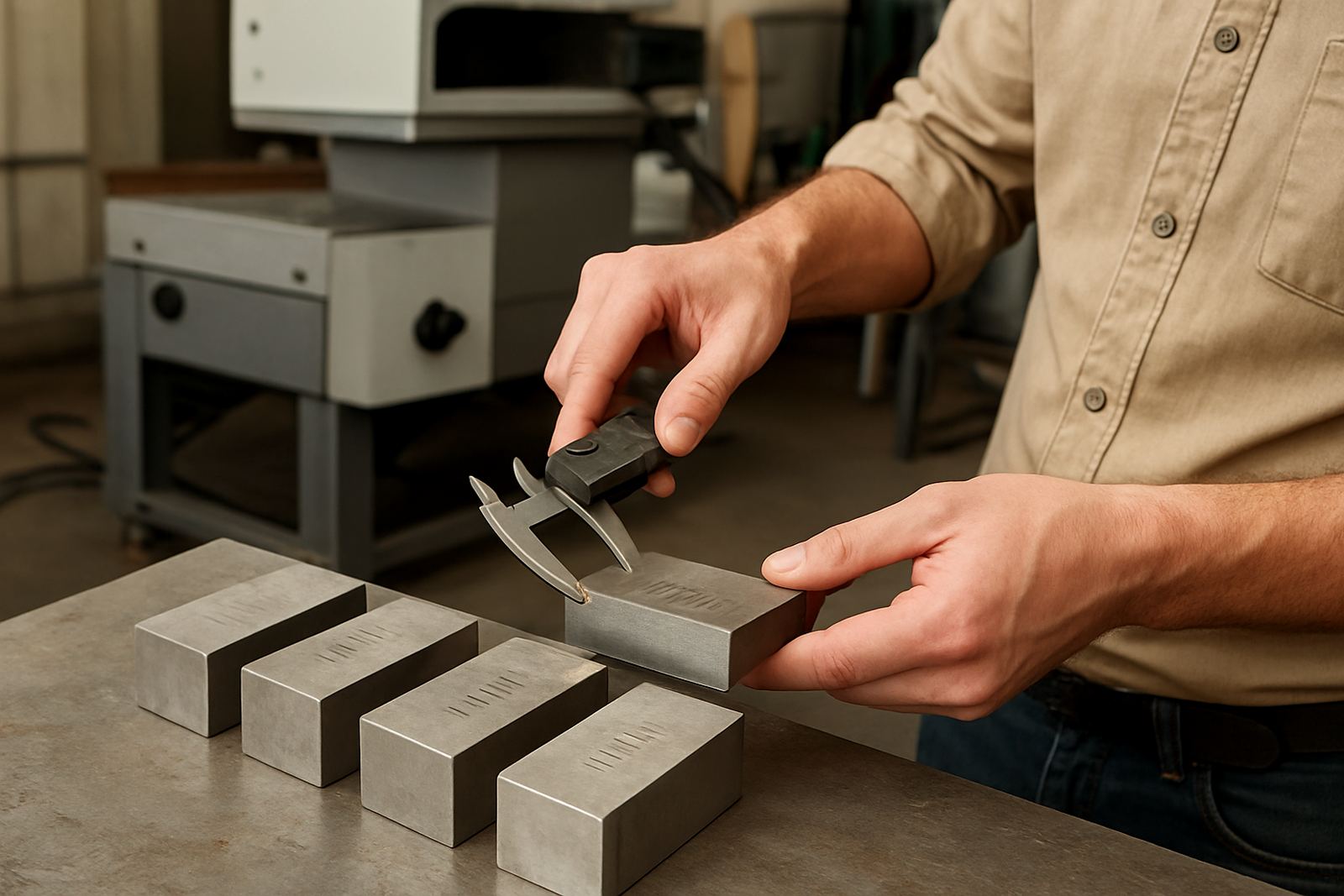
Small sample runs save money because they reveal problems before full production starts. A logo may look acceptable on a screen but lose detail when marked onto metal. Serial numbers can also shift if the fixture is not square or if the plate sits slightly uneven. A single test piece can show whether the contrast is strong enough and whether the text needs to be opened up.
For businesses ordering nameplates in batches, consistency matters. When one batch matches the next, spares can be fitted later without confusion. This is useful for workshops, factories and installers who need the same format across many sites. If a plate is going onto jewellery tools or precision equipment, sample marking becomes even more important because the parts are small and the label area is limited.
We often see problems after the fact when a customer asks for a plate to be re-made because the original text was too fine. A short proof process avoids that sort of rework, and it keeps production moving. If the plant is in Wadeville, Jet Park or Isando, it is usually quicker to resolve the layout before the order is released than to sort it out once the parts are already fitted.
Maintenance, Cleaning and Life on Site
Nameplates are often forgotten until someone needs the information on them. That is why routine checks should be part of maintenance schedules, especially where dust, oil or chemical splash can hide the text. If plates are cleaned with harsh liquids or abrasive pads, even a good marking can fade faster than expected. The aim is to keep the plate readable without damaging the finish.
On coastal sites, salt moisture can affect mounts and edges over time. In inland factories, heat and repeated wiping can be the bigger issue. Either way, a maintenance team should know what to look for: loosened fixings, surface scratches, peeling adhesive and fading contrast. A few minutes of inspection during planned maintenance can stop a small issue becoming a production delay.
For companies with multiple branches or sites, it helps to standardise the format of the plate. One layout, one numbering system and one material spec makes replacement simpler. It also helps when a technician in Alberton needs to order the same plate that was first fitted in Kempton Park.
A Local Example From Wadeville to the Rest of Gauteng
A small metal workshop in Wadeville may need nameplates for cutting machines, jigs and finished components. The owner wants the plates to stay legible through oil, grinding dust and repeated handling. In that case, the best approach is usually a clear layout, a durable metal substrate and a mounting method that suits vibration. If the same workshop later sends equipment to a site in Durban or Polokwane, the plate must still read cleanly after transport and installation.
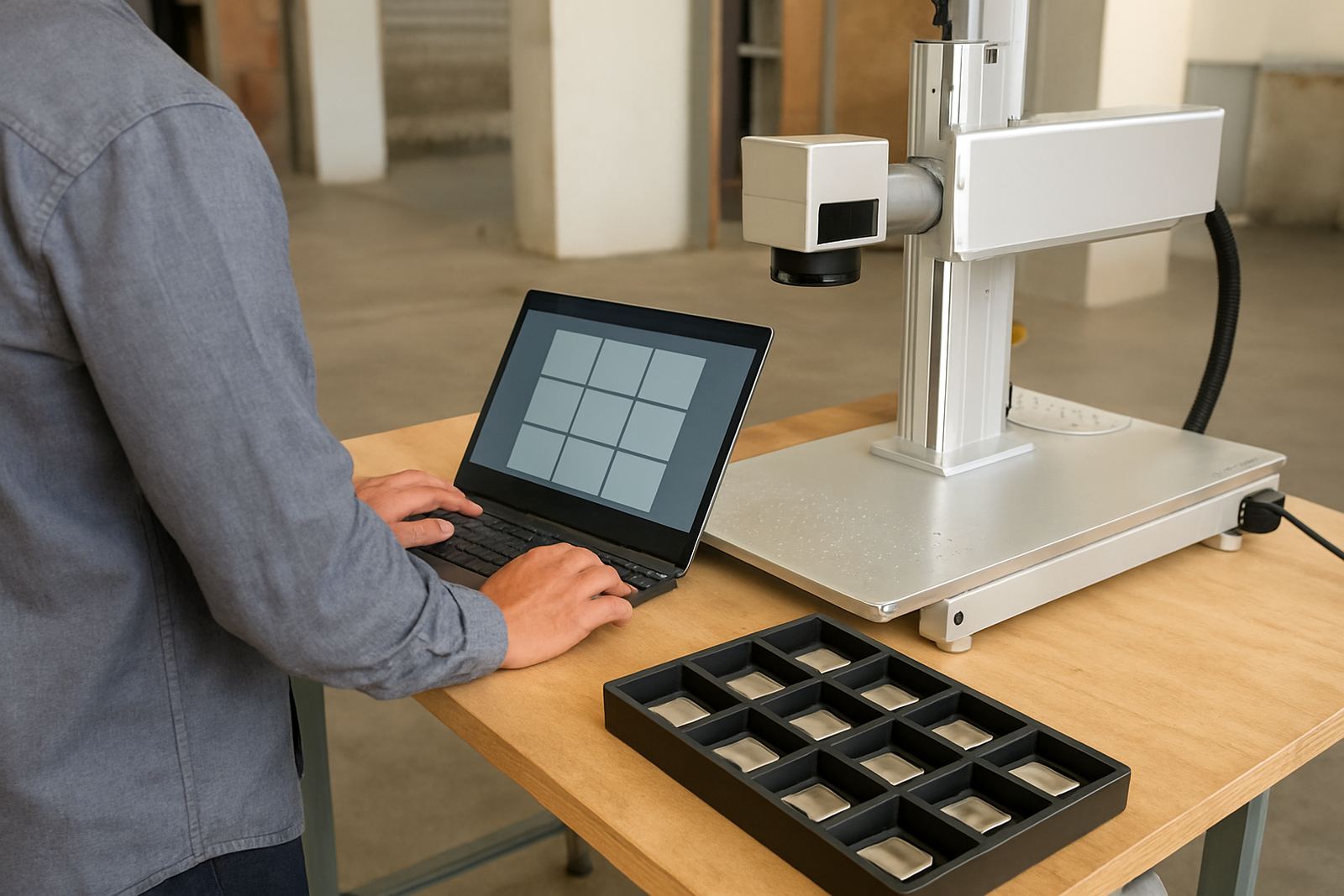
That is where practical planning makes the difference. The team checks the sample, confirms the character size, and makes sure the serial numbers follow the same sequence across every unit. If training is needed, the operator should know how the plate is set up, how the file is checked, and how to avoid a simple input error. A small mistake in a part number can hold up the entire handover.
For plants across Gauteng and beyond, the best nameplates are the ones that are easy to read, simple to fit and built for the real conditions on site. That means planning for light, heat, cleaning and vibration from the start, not after the order has already gone out.