
Why traceability matters on the shop floor
When a part leaves your premises, it should still be possible to tell where it came from, when it was made and which batch it belongs to. That is the value of traceability. It reduces confusion during assembly, helps with fault finding, and gives your team a cleaner way to manage stock and returned items.
In South Africa, this matters across metal fabrication, engineering, jewellery, tooling and automotive supply. If a customer in Wadeville calls about a fitting that failed after six months, you need more than memory. A marked batch code or serial number can point you to the exact material lot, the operator notes and the machine settings used. That saves time and often saves money too.
For smaller workshops, traceability also supports better discipline. Parts are less likely to be mixed up, and rework becomes easier to track. For larger plants, it helps align with QA systems, delivery records and supplier audits. Even a simple marking standard can make a big difference.
What information is usually marked on parts
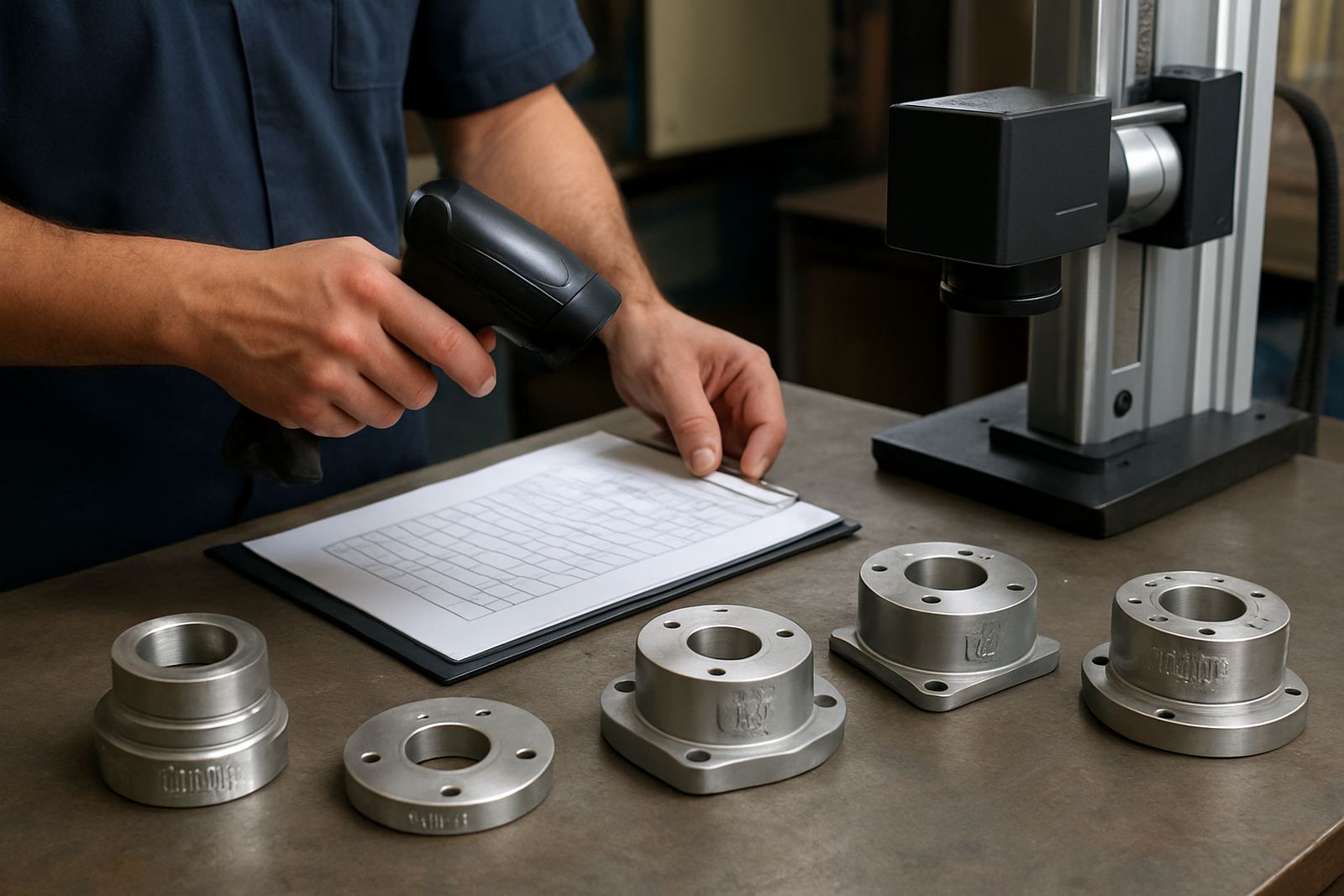
The information you mark depends on the industry, the size of the part and the space available. On metal parts, the most common details are short and practical. A marking does not need to be large to be useful, but it does need to remain readable after handling, cleaning and coating.
- Part number or drawing reference
- Serial number for unique identification
- Batch or lot code for production tracking
- Date code or week code
- Company name or logo where space allows
- Grade or material code
- Directional marks, such as left or right
- Certification marks or inspection status
On jewellery items, the marking may be even smaller. Common examples are metal purity, item reference numbers and maker's marks. For rings, pendants and small tags, the challenge is keeping the mark neat without affecting the appearance. That is where fine control and correct focus matter.
Choosing the right level of detail
Not every part needs a full history engraved on it. The best marking format is the one your team can use consistently. If the code is too long, operators will start leaving it off. If it is too short, you may struggle to trace a fault later.
A practical rule is to mark what you will actually search for in your records. A serial number works well when every part must be individually tracked. A batch code is often enough when parts are made in groups and used in assemblies. Some businesses use both, especially where warranty claims are common or where components are exported.
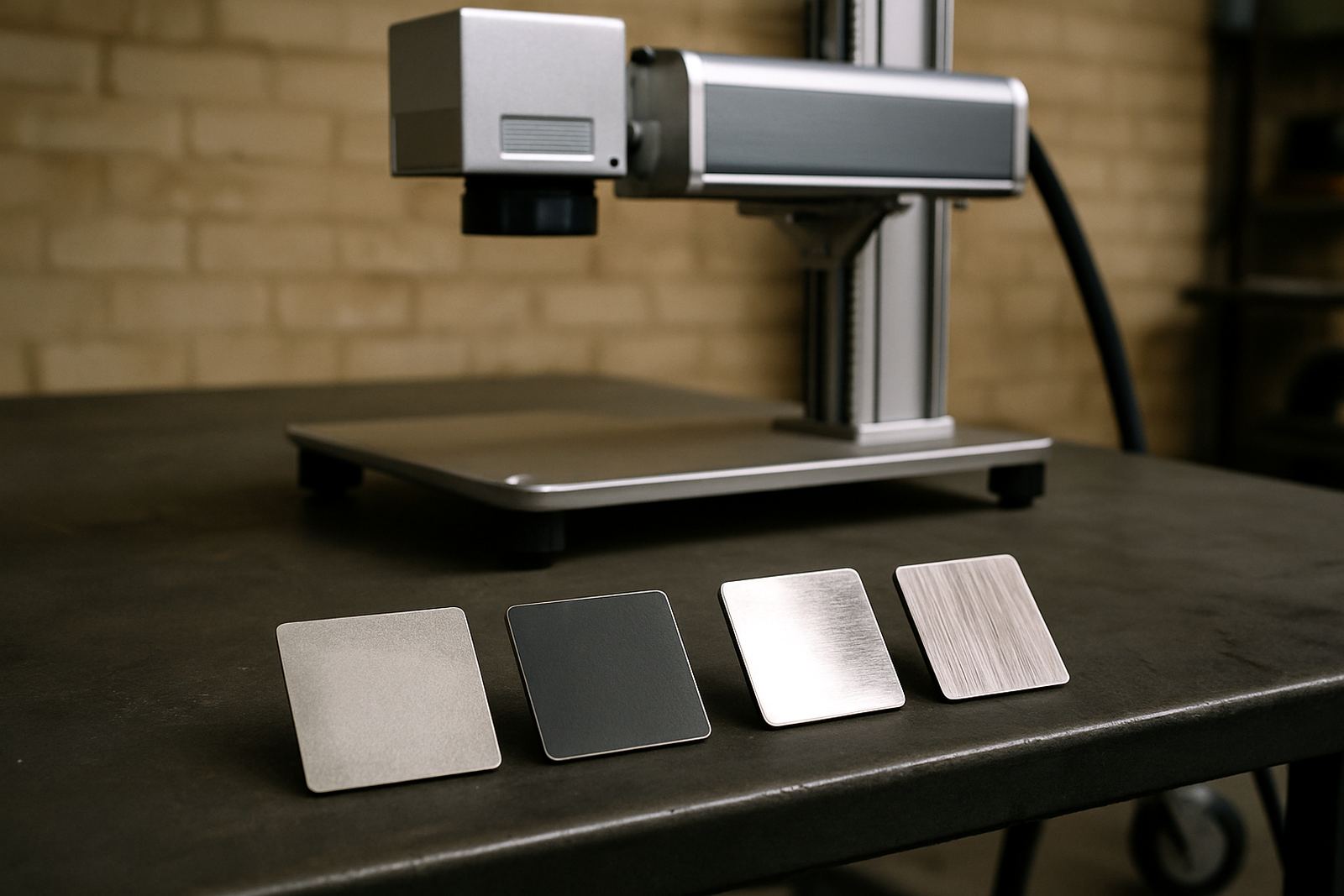
In Germiston and the wider East Rand, we often see workshops marking after machining but before coating, because the mark stays visible and is less likely to be damaged. On stainless steel, anodised aluminium and hardened tool steel, the mark can be very clear. On polished jewellery, the operator may need to test the setting first so the mark is legible but not too aggressive. A small sample run is worth it before committing to production.
- Use a short code that fits your records
- Keep the marking position consistent
- Decide whether the mark must be visible or hidden
- Test the mark after cleaning, plating or heat treatment
Traceability in real South African conditions
Local conditions affect how a mark performs over time. In coastal areas, humidity and salt air can speed up corrosion on poorly prepared surfaces. In high-dust workshops, marks can become harder to read if the surface finish is rough or the depth is inconsistent. In places where load shedding interrupts production, it helps to have a marking process that resumes quickly and does not need long set-up time each shift.
A practical example is a metal component maker in Jet Park supplying fittings to a contractor in Durban. If a batch issue comes up after installation, the maker needs to trace the affected parts fast. A clear batch code on each fitting makes that possible. Without it, the team may have to search through invoices, stock sheets and cutting records one by one. That delay can lead to downtime on site and extra transport costs.
Traceability also helps where municipal or project specifications require records. If a job calls for inspection proof, material grade or stage sign-off, a marked part becomes easier to link to the paperwork. It gives the business a cleaner trail from production to delivery.
How laser marking supports clean identification
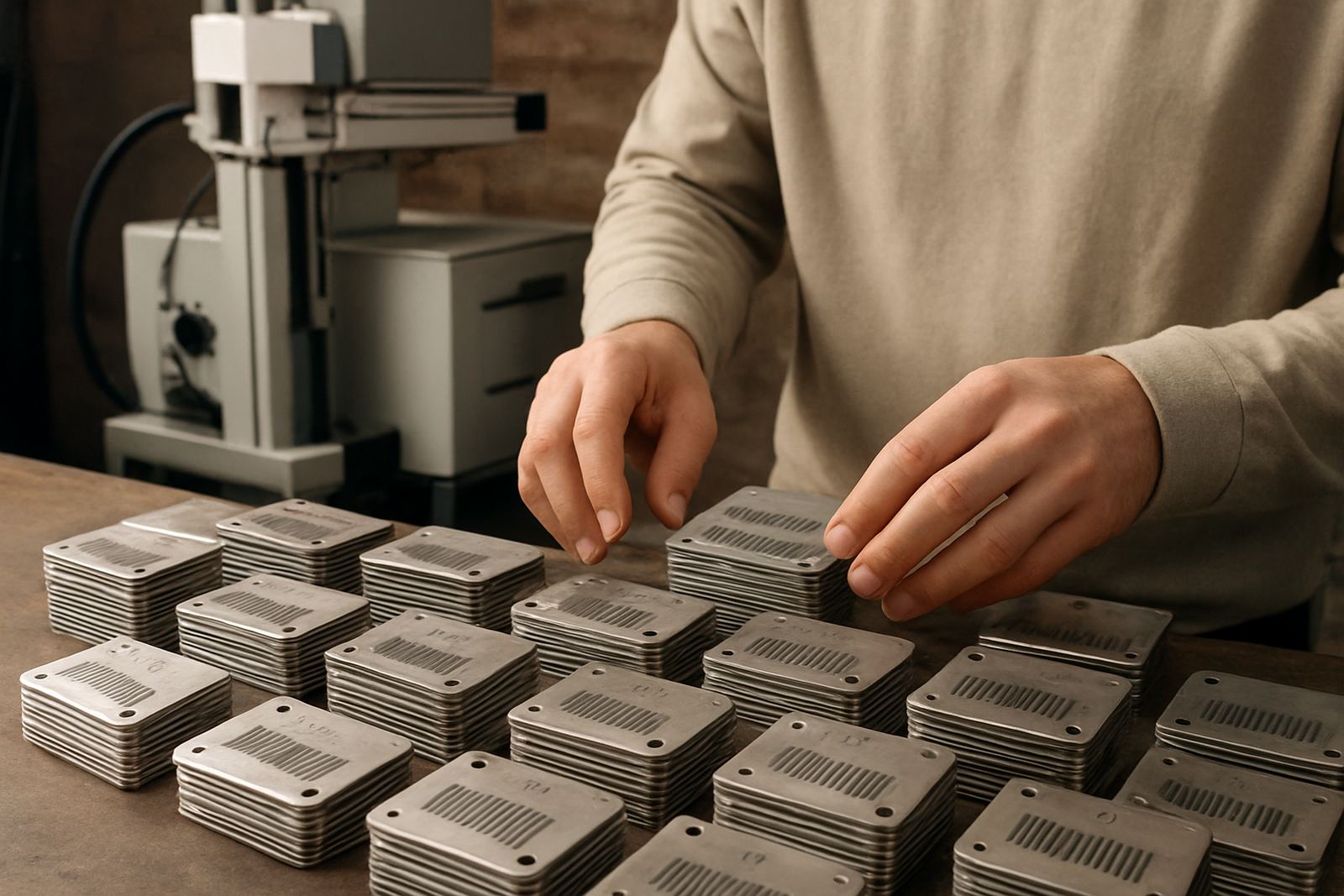
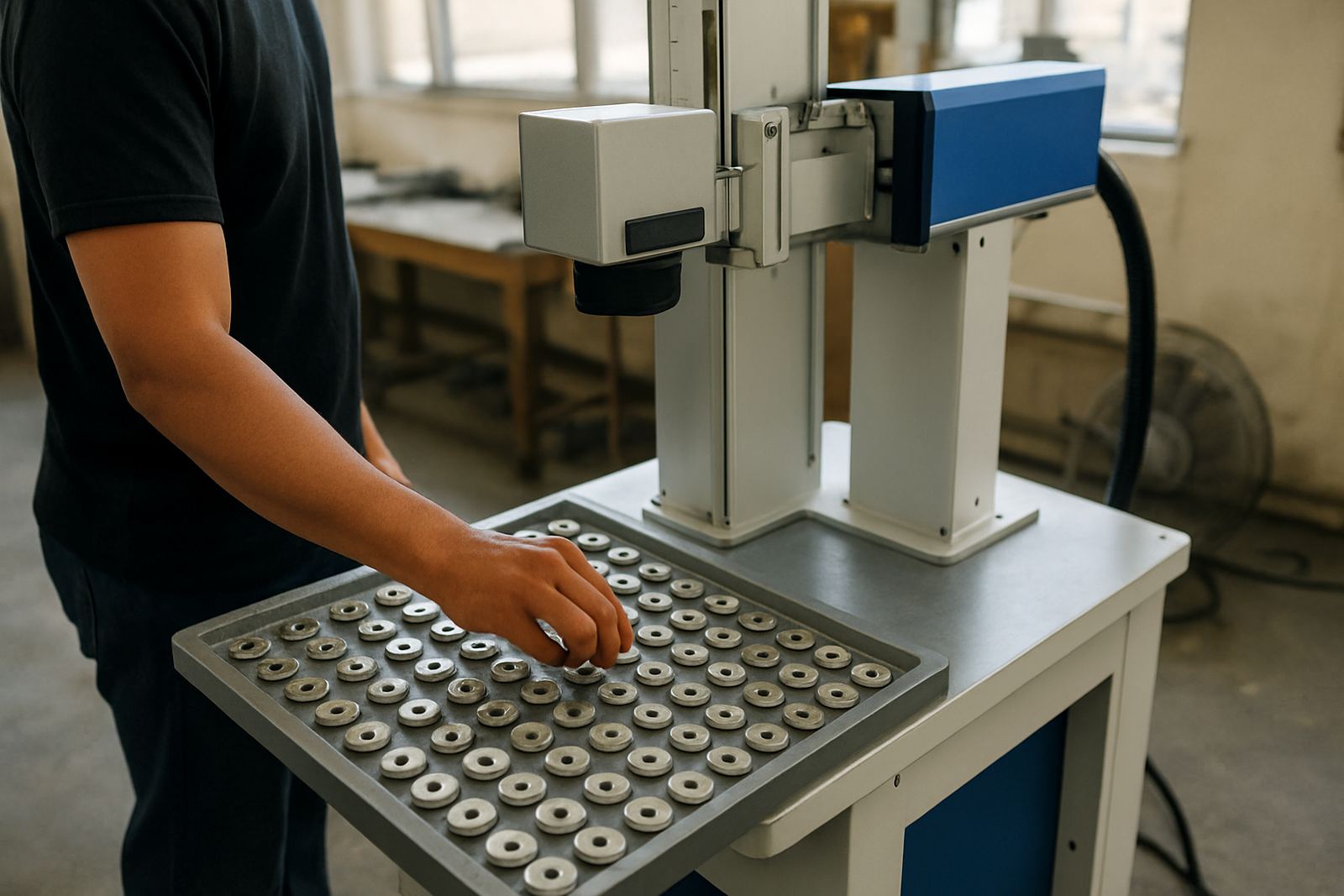
Fibre laser marking is well suited to traceability because it produces a fine, permanent mark on metal surfaces with very little wear on the part. That makes it useful for serial numbers, QR codes, batch codes and tiny text on items where space is limited. It is also suitable for repeat jobs, because the same format can be loaded and used again with consistent results.
The mark is created without inks or labels that can peel off, fade or rub away. That matters for parts that are cleaned, handled, or exposed to oils and moisture. For jewellery, the control is precise enough for small markings on rings, tags and pendants. For industrial parts, the marking can be positioned to support scanning, inspection and assembly.
- Permanent mark for long term identification
- Fine detail for small codes and logos
- No consumable ink or label stock
- Suitable for steel, aluminium, brass and many coated metals
The key is matching the marking method to the material and the finish. A sample mark on the actual part is always better than guessing.
Getting your traceability system to work every day
A good traceability system is not only about the machine. It also depends on how your team sets up the process. The code format must be simple enough for staff to use correctly, and the marking position must be fixed so it does not shift from one shift to the next. If the process is too complicated, errors creep in.
Training helps operators understand why the mark matters, where it should go and how to check it before release. Preventive maintenance also plays a part, because poor focus or dirty optics can turn a crisp code into a weak one. If a machine is moving between sites in Kempton Park, Boksburg or Alberton, proper relocation and setup help keep the marking consistent from day one.
For many businesses, the best approach is to start with a sample mark, agree the code format, then build the procedure into daily production. That way traceability becomes part of the job and not an extra task left to one person.
- Keep the code format short and consistent
- Set a fixed marking position on each part
- Check readability after finishing processes
- Review the system when products or customers change