
Practical Training for Real Workshop Conditions
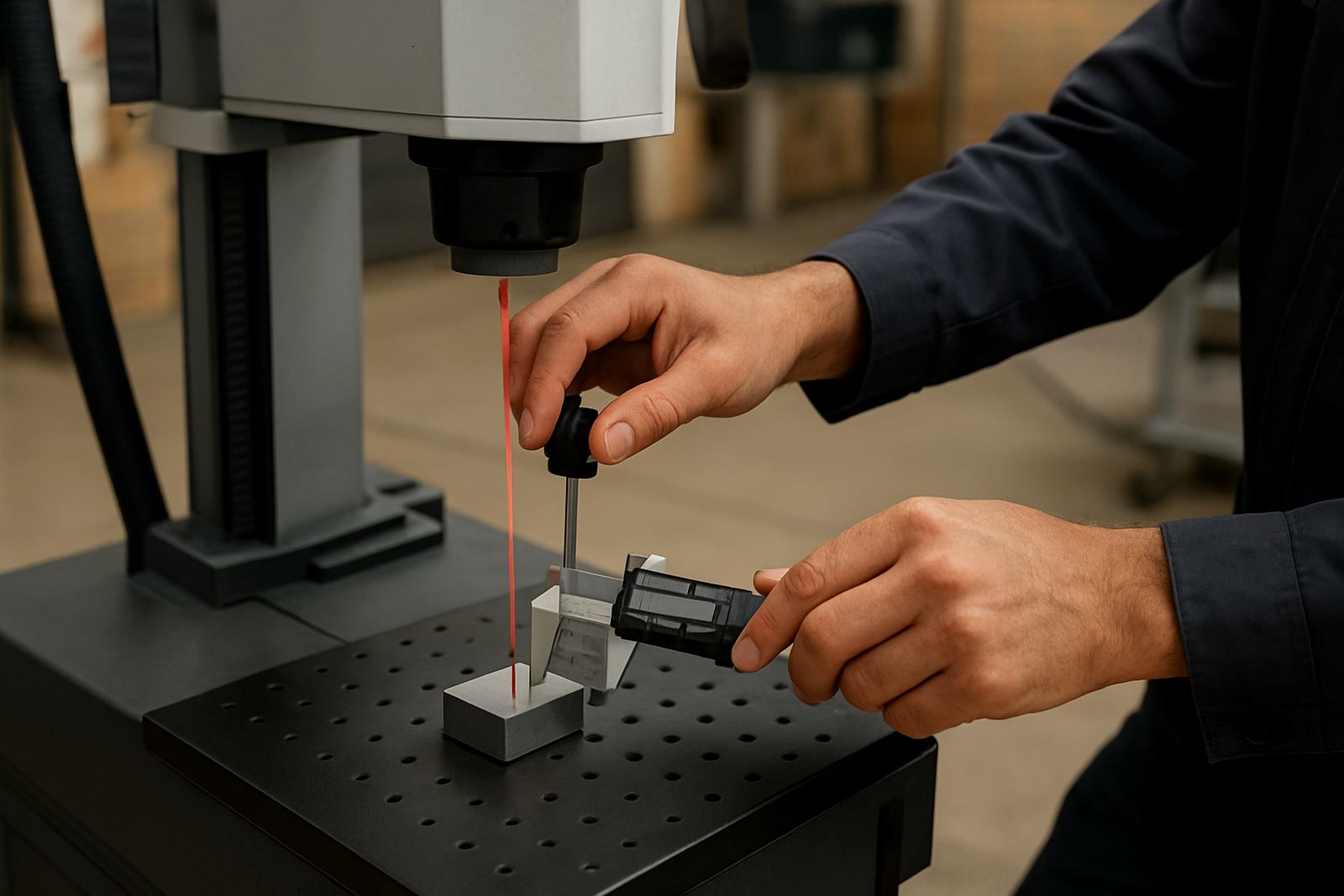
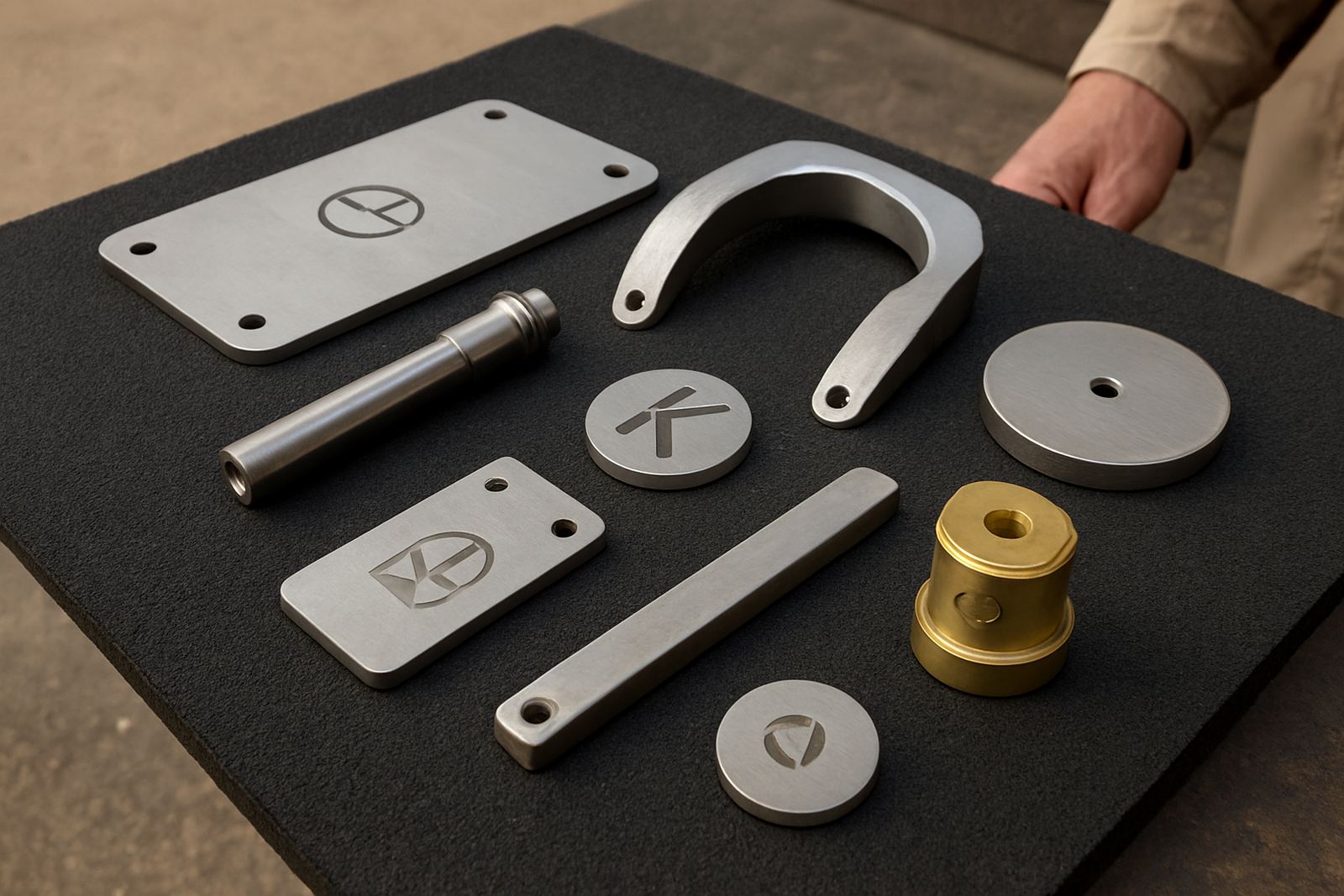
Training is hands-on from the first session. We work on your machine setup, your parts and the marks you actually need on metal components, tools, tags, nameplates and jewellery. That means your team learns the correct way to clamp parts, load jobs, set focus and check the mark before production starts.
We keep the training practical for South African workshop conditions. That includes safe shutdown steps during load-shedding, basic power-up checks after outages, and how to protect optics and fixtures in dusty or coastal environments. In Germiston, Jet Park, Isando and surrounding industrial areas, that local knowledge matters because a machine that is clean, level and correctly set up will keep producing better marks with fewer interruptions.
- Safe machine start-up and shutdown
- Loading and saving jobs on the control software
- Setting power, speed, frequency and focus for different materials
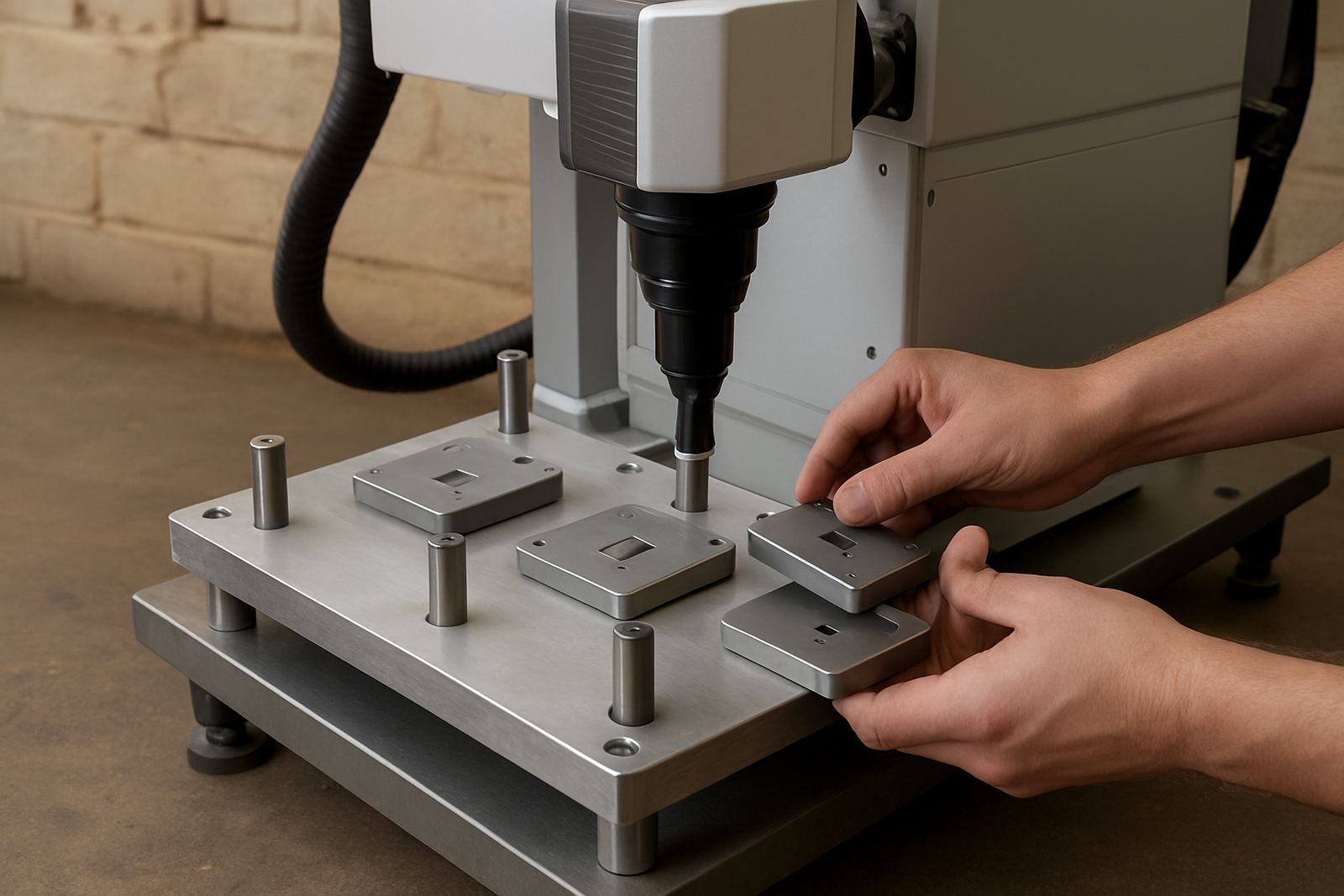
- Checking alignment, part position and fixture stability
- Daily cleaning and simple inspection steps
What Your Team Learns in the Session
We train operators to work with confidence, not by guesswork. The course covers the core settings that affect mark quality, including hatch spacing, pulse settings, speed, power levels and focal height. We also show operators how to read the mark result and adjust the job for better contrast, depth or surface finish.
Zinhle Mashigo and Keitumetso Phalatse coordinate training bookings and site planning, while Ayesha Cassim handles applications support for sample marks and process questions. If your parts are small, curved, reflective or heat-sensitive, we tailor the session to those jobs so the team can see what works and why. This is especially useful for jewellery work, medical parts, branded components and serial number marking.
- Software navigation and file preparation
- Marking parameters for stainless steel, aluminium, brass and coated parts
- Text, logos, serial numbers, QR codes and Data Matrix marking
- Fixture use for repeatable positioning
- Quality checks for legibility, depth and contrast
Training Process from Booking to Sign-Off
Once you send an enquiry through our contact page, Wynand Vosloo or Zinhle will confirm the machine model, the materials you work with and the number of operators to be trained. We then plan the session around your site, your shift pattern and the marks you need to produce. If needed, we can include sample marking before the visit so the trainer arrives with a clear setup plan.
Most sessions start with a short safety briefing, then move into setup, live marking and guided practice. Tshilidzi Sebego can assist where field support or machine checks are needed during the visit. Before we leave, your team should be able to run the machine, save settings and complete basic daily checks without calling for help every time. That practical handover keeps downtime low and helps avoid repeat mistakes.
- Pre-visit call to confirm machine, materials and goals
- On-site or remote preparation where suitable
- Safety, setup and marking demonstration
- Supervised operator practice on your parts
- Final review and training sign-off
Turnaround Times and Booking Expectations
We aim to keep training bookings moving quickly, especially for new installs or production changes. In Wadeville and Germiston, sessions can often be arranged sooner than outlying sites, while nationwide travel is scheduled around route and workload. Remote assistance is available for follow-up questions, software setup and simple parameter checks, but hands-on training is still the best way to build confidence.
For most single-machine sites, training can be completed in half a day to one full day depending on the number of operators and the complexity of the work. If you need more advanced fixture work, focus calibration or repeatable batch marking, we may recommend a longer session. We would rather spend an extra hour getting the process right than leave your team with settings that only work on one sample.
Where production must resume quickly, we can prioritise the essentials first: safe operation, job loading, marking setup and daily maintenance. Follow-up coaching can then be added later once the team has had time to apply the basics on real jobs.
Pricing Approach That Suits Small Workshops and Plants
Training is priced according to the machine type, number of operators, travel distance and whether the session is on-site or includes multiple machines. A small workshop in Alberton may need a short focused session, while a larger plant in Kempton Park or Boksburg may need broader training across several shifts. We quote clearly so you know what is included before the visit.
Our pricing approach is practical. If the training is tied to a new installation, we can combine setup and operator training to reduce cost. If you only need refresher training after staff changes or a relocation, we will scope that separately. In many cases it works out better to invest in proper training once than pay for wasted material, rejected parts and avoidable breakdown calls later on.
- Quoted per site, per machine or per training block
- Travel and overnight costs listed separately where needed
- Combined installation and training options available
- Refresher sessions for new staff or changed production lines
Daily Checks and Maintenance Intervals After Training
Good operator habits protect the machine and keep marks consistent. We teach your team what to check every day, every week and every few months so small issues are picked up before they become repairs. This includes lens cleanliness, fixture condition, cable routing, cooling checks where applicable and simple software backups. Dust, vibration and power fluctuations can all affect performance, so routine checks really matter.
For most sites, daily checks should take only a few minutes. Weekly checks cover deeper cleaning and inspection of moving parts or workholding. Preventive maintenance intervals depend on usage, but many workshops benefit from a service review every 6 to 12 months, with more frequent checks in high-volume production. If your site is near the coast or runs long shifts, we may recommend shorter maintenance intervals because humidity and constant use can affect consistency. Keitumetso also provides a simple maintenance schedule during training so the whole team follows the same process.
- Daily: lens check, part cleanliness, fixture and cable inspection
- Weekly: deeper cleaning, software file backup, test mark review
- 6 to 12 months: preventive maintenance review and calibration check
- After outages or relocation: full setup verification before production
Why South African Operators Benefit from Local Support
Operator training works best when it is backed by local support. Our Wadeville base makes it easier to assist customers in Germiston, Boksburg, Alberton, Isando, Jet Park and Kempton Park, and we also travel nationwide for installations and training. That matters when you need a machine back in production quickly and cannot wait days for guidance.
Wessel Vermaak oversees the service standard, and the team works with a simple goal: your operators should leave training able to run the machine properly and keep it running. Whether you are marking batch numbers on steel parts or engraving fine detail on jewellery, the right training reduces errors, protects the machine and improves output from day one.
Key facts
| Training format | Practical on-site sessions with remote follow-up where suitable |
|---|---|
| Typical duration | Half day to 1 full day, depending on operators and application |
| Coverage | Safe use, software setup, marking parameters, daily checks and basic fault spotting |
| Materials covered | Stainless steel, aluminium, brass, coated metals and jewellery items |
| Group size | Single operator refreshers up to multi-user workshop training |
| Maintenance guidance | Daily, weekly and 6 to 12 month intervals with site-specific notes |