
What We Supply For Ongoing Production
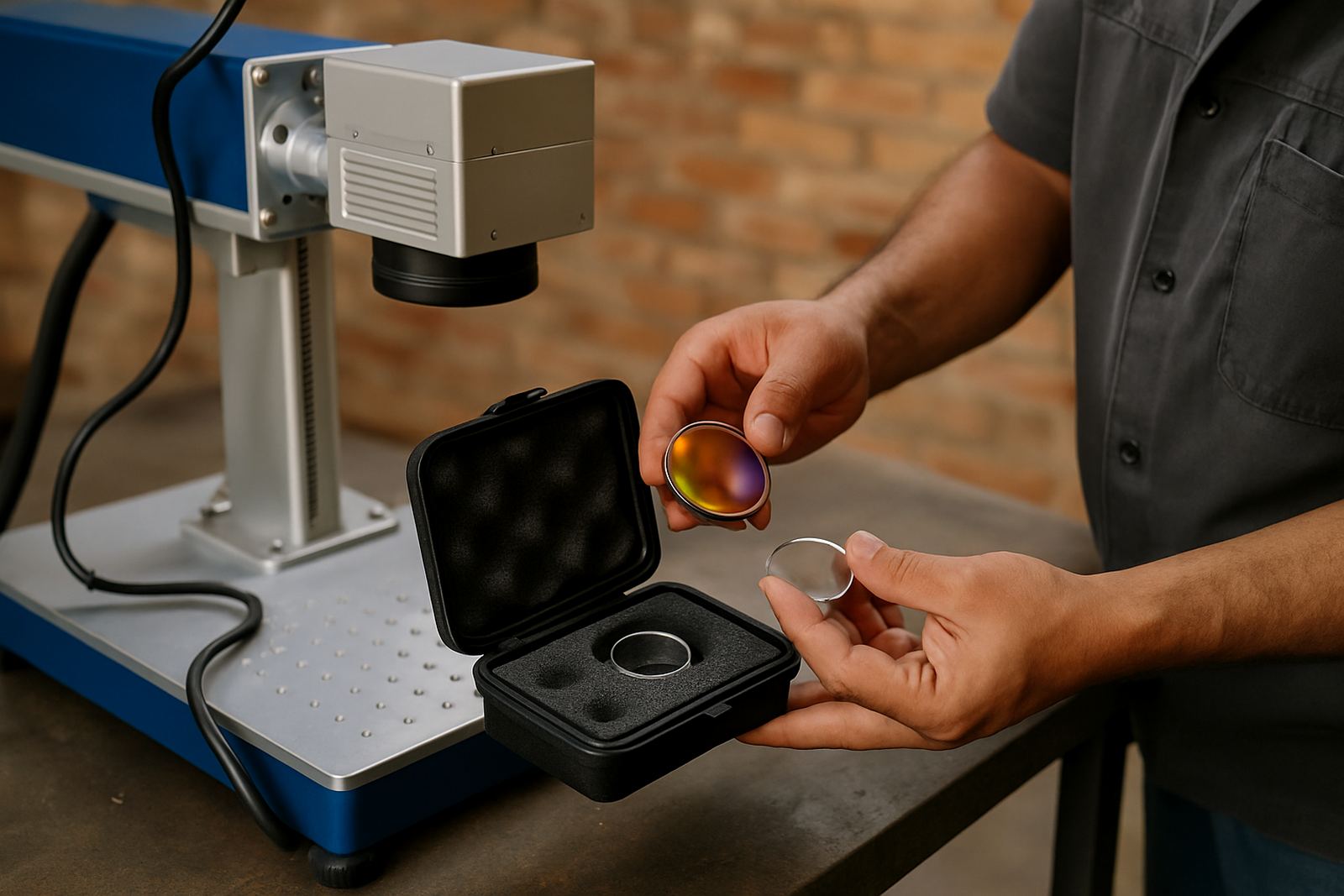
Our spares supply service covers the parts that tend to wear, get lost, or need replacing after heavy daily use. That includes consumables for marking stations, optical accessories, cable sets, control items, safety components, and selected mechanical parts used in fibre laser marking and engraving systems.
For metal part marking, jewellery engraving, serialisation and traceability work, the right spare part matters because a small fault can affect mark quality, cycle time, and uptime. We help you match the part to the machine model, power level, lens size and application, so you are not ordering guesswork.
- Consumables for regular service intervals
- Selected electrical and control components
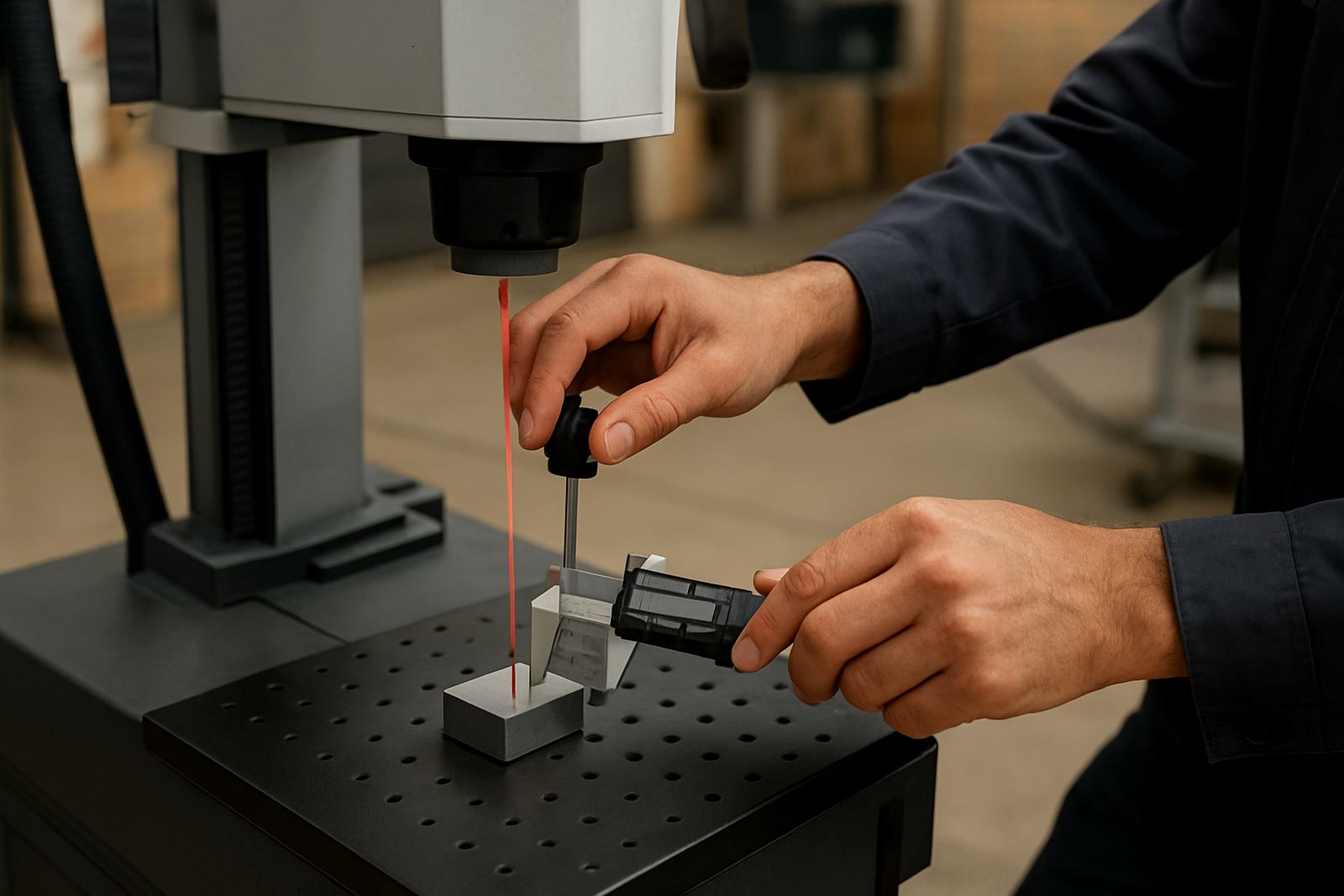
- Lens, fixture and marking area accessories
- Parts matched to metal and jewellery applications
How The Supply Process Works
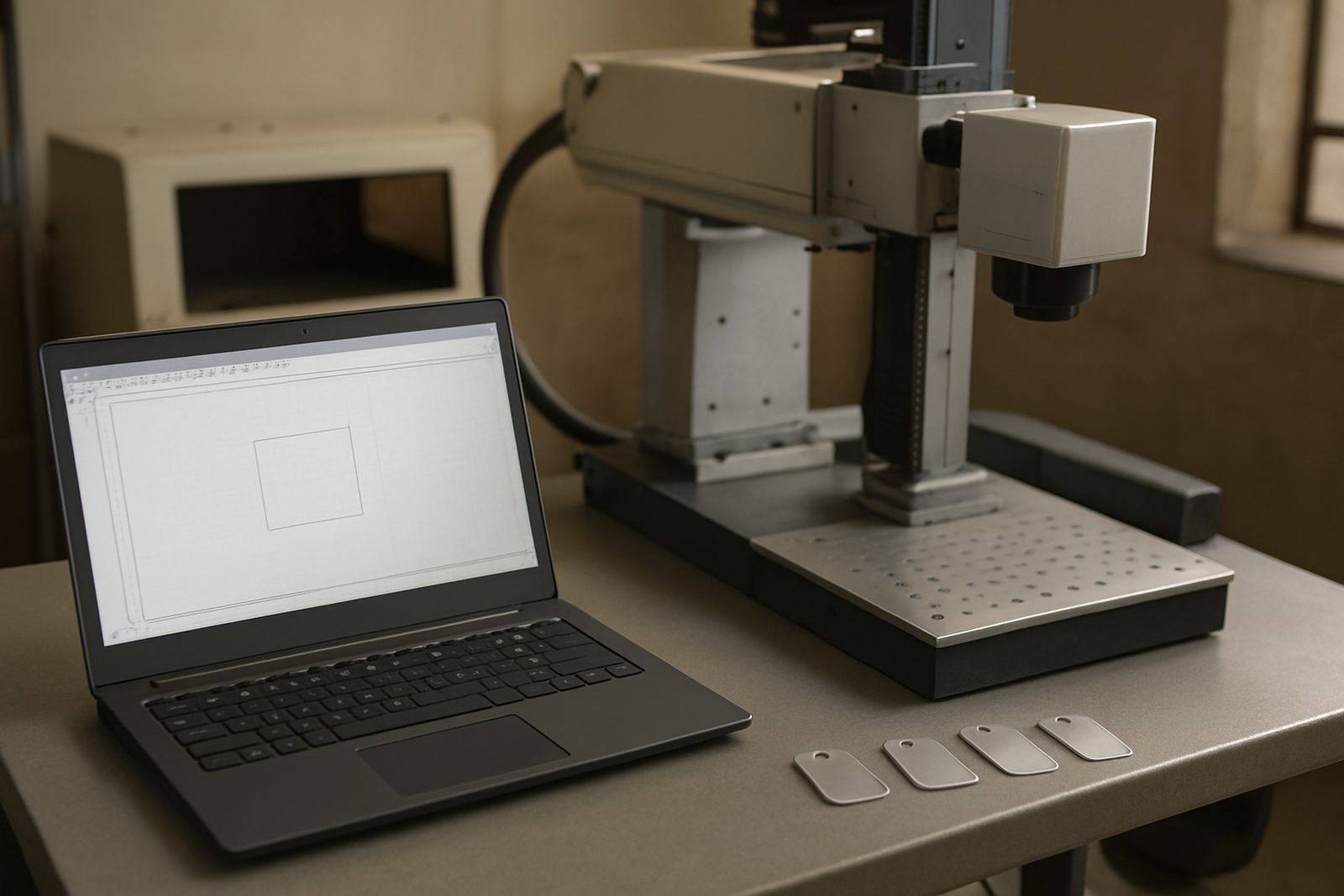
We start by checking your machine details, current fault, and the part number if you have it. If the number is not available, we identify the item from clear photos, the machine model, the software screen, or a quick site call. That helps avoid ordering the wrong component and losing more time.
Once the part is confirmed, we quote the item and any related fitting or calibration work if needed. Urgent jobs are handled first where stock allows, and we keep communication practical so you know what is available, what is being sourced, and what can be fitted immediately.
- Send machine model, power rating and the fault detail
- Confirm the spare part, compatibility and stock status
- Approve the quote and delivery or collection option
- Fit, test, and return the machine to service
Typical Parts We Replace Or Replenish
Different machines and usage patterns call for different parts. A workshop marking nameplates in Wadeville will not use spares in the same way as a jewellery studio in Sandton or a production line in Durban. Heat, dust, humidity and load-shedding all affect what wears out first, especially where machines run daily and get switched on and off often.
We supply parts for routine replacement and for fault recovery after a breakdown. In many cases, a small spare on hand can save a full day of downtime, which is often cheaper than waiting for a machine to sit idle while one item is sourced from scratch.
- Marking head accessories and brackets
- Fixture plates, clamps and part-holding items
- Control peripherals and interface items
- Cooling and ventilation related components
- Safety switch and enclosure related parts
Turnaround Times And Stock Planning
Where stock is on hand, collection or dispatch can often happen the same day from our Wadeville base. If a part needs to be ordered or matched to a specific machine revision, timing depends on the item type and availability. We give honest lead times, not best case promises that leave your team waiting.
For businesses that cannot afford stoppages, we can help set up a basic spares list based on your machine use, shift pattern, and risk level. This is useful for sites that work after hours, run tight production schedules, or operate in areas where power cuts interrupt normal service windows.
- Same day where stock is available
- Short lead times for common items
- Planned sourcing for special parts
- Local collection or nationwide courier dispatch
Pricing Based On Part Type And Urgency
Our pricing depends on the part category, machine compatibility, and whether the item is standard stock or a special order. We quote clearly so you can compare the cost of replacement against the cost of downtime. That makes it easier to choose between a direct replacement, a temporary fix, or a service visit with the part fitted.
For customers with repeated usage, we can also help you plan routine spare holdings around monthly or quarterly maintenance. That approach is often more cost effective than waiting for an emergency breakdown. It also helps when a supplier in another province is out of stock and your production cannot pause.
Maintenance Intervals That Reduce Unplanned Downtime
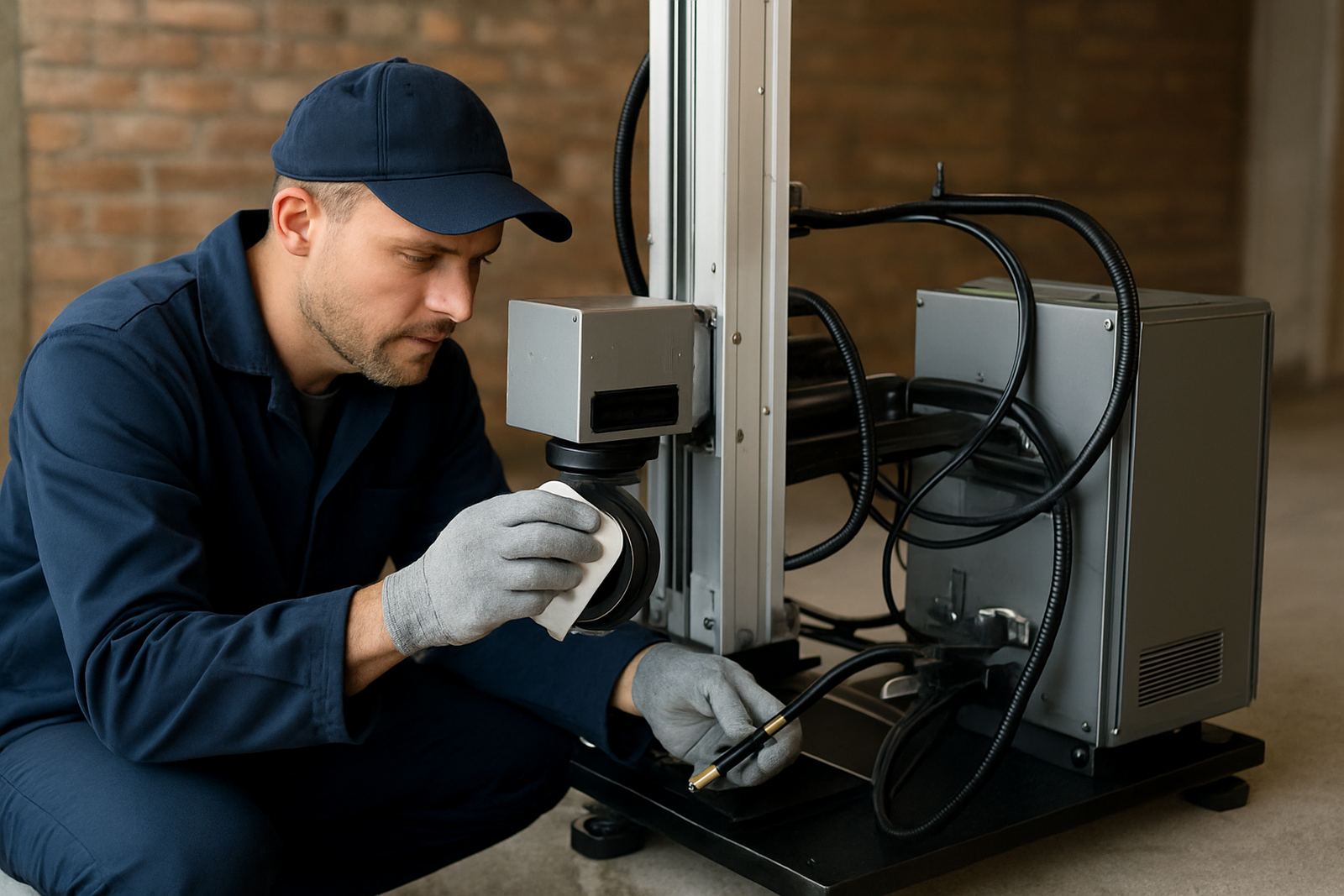
Most laser marking systems benefit from regular checks every 3 to 6 months, depending on daily hours, dust exposure, vibration and the quality of mains power. In coastal areas, humidity can affect stored parts and connectors, while inland sites often deal more with dust and temperature changes. If your machine runs in a workshop with poor air movement or frequent voltage dips, the interval may need to be shorter.
During these checks, we look at likely wear points and advise which parts should be kept on site. A few low-cost items in the cabinet can prevent a bigger stoppage later on, and it helps your team keep order in the spares drawer instead of scrambling when a job is due.
- Check wear points every 3 to 6 months
- Inspect connectors, optics support and fixtures
- Review usage patterns after power interruptions
- Store sensitive parts in a dry, dust free area
Key facts
| Service area | Wadeville, Germiston and nationwide |
|---|---|
| Turnaround | Same day on selected stock, subject to availability |
| Part types | Consumables, selected electrical parts, fixtures and accessories |
| Support method | Collection, courier dispatch, or on-site fitment by arrangement |
| Maintenance interval | 3 to 6 months depending on duty cycle and site conditions |
| Best fit | Metal parts, jewellery marking, traceability and engraving work |