

Training that suits your workshop pace
Operator training is built around the way your team actually works. We do not rush through the machine and leave people guessing later. Instead, we show operators how to switch on, set up, mark and shut down the system properly, with time for questions and repeat runs until the process makes sense.
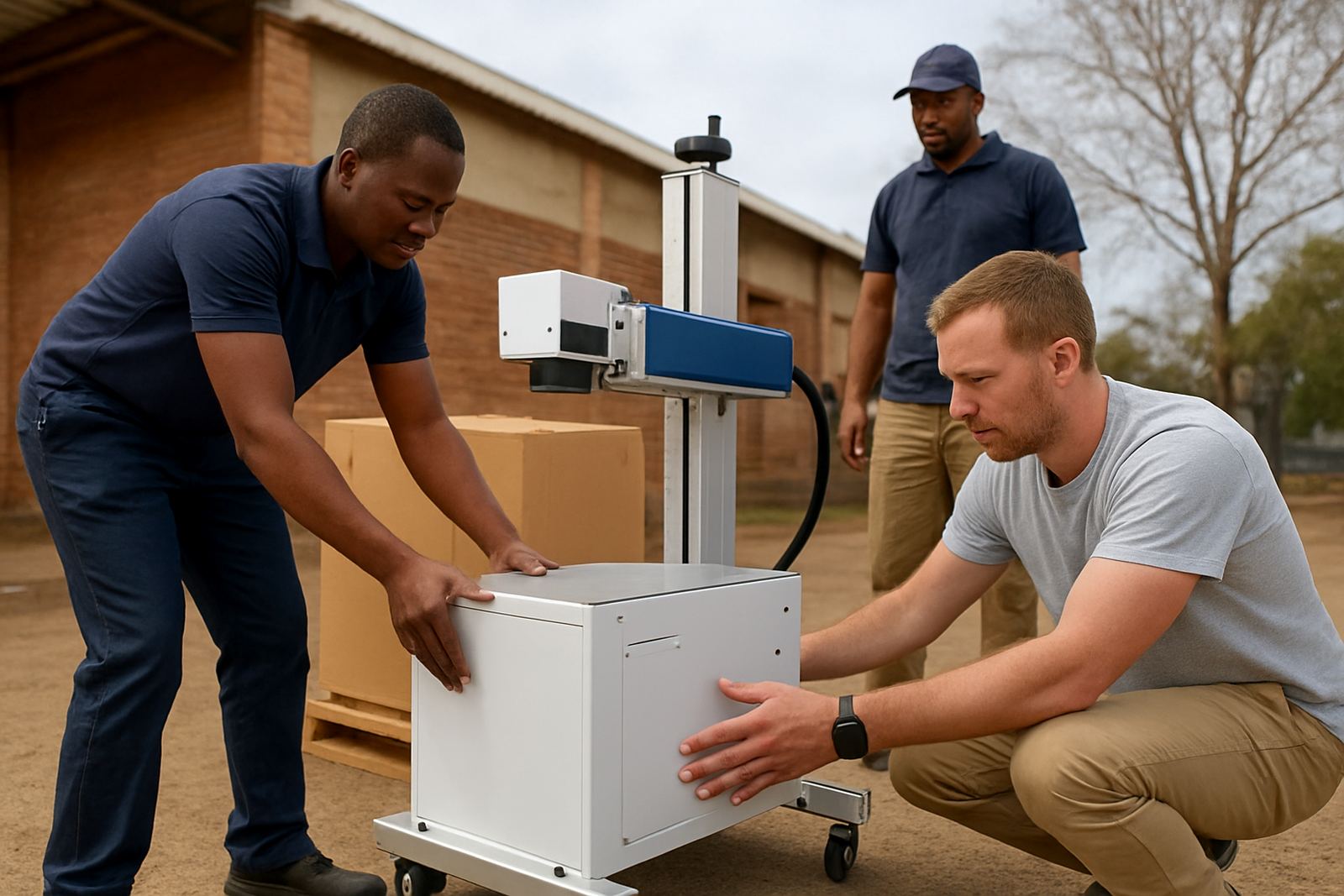
Training can be done on a new installation, on a machine already in production, or after a site move. For workshops in Gauteng, the training is usually done onsite in your own space so staff learn on the same table, jigs and work flow they use every day. If your team is working around shift patterns or load-shedding, we can plan the session in blocks so no one misses out.
What operators learn during the session
We focus on the tasks your staff need to handle without calling for help each time. The aim is safe handling, repeatable marking, and less waste from trial and error. Each session is practical, with the machine running while we explain what each setting does.
- Machine start-up and shutdown steps
- Basic safety checks before every job
- Loading parts, jigs and fixtures correctly
- Setting focus height and working distance
- Choosing marking speed, power and frequency
- Running test marks before full production
- Saving and recalling common jobs
- Cleaning lenses, screens and work area
We also cover how to spot the difference between a machine setting issue and a material issue. That saves time when a part looks dull, too deep, or not centred. A good operator should know what to adjust first, and what needs a technician. It sounds basic, but that is where a lot of costly mistakes start.
Safe use for metal parts and jewellery jobs
Fibre laser marking is precise, but the job still needs proper handling. During training we show staff how to secure parts, manage reflections and keep the marking area clean. This matters even more when working on polished metal, small components or curved items like rings, tags and fittings.
For jewellery and delicate work, we show the operator how to position the item so the mark stays consistent from piece to piece. For industrial parts, we focus on batch marking, part orientation and keeping the text readable after heat, oil or washing. In coastal areas like Durban or Gqeberha, moisture can affect storage and surface condition, so we also speak about keeping materials dry before marking.
- Use the correct clamps or fixtures for the part size
- Keep hands clear of the marking zone before firing
- Do not mark loose or unstable items
- Check ventilation and dust extraction where needed
- Store sensitive parts in a dry place before production
Software steps your team can follow confidently
Many operators are nervous the first time they open the marking software, especially if they have been told only one person is allowed to touch it. We break the process into small steps so they can handle routine jobs without stress. The training covers job setup, text entry, logo placement, serial numbering and basic file handling.
We also explain how to keep files organised for repeat orders, which is useful when a customer comes back months later asking for the same part number or logo. If your team works with serialised production, we show simple ways to avoid duplication and reduce marking errors. A missed digit on a batch can cost you real money, so these checks matter.
Where needed, we add basic language support around the interface and print logic, so staff know what each prompt means. That makes the machine easier to run across different shifts, especially where one operator has more experience than the next.
Daily routines that protect output and uptime
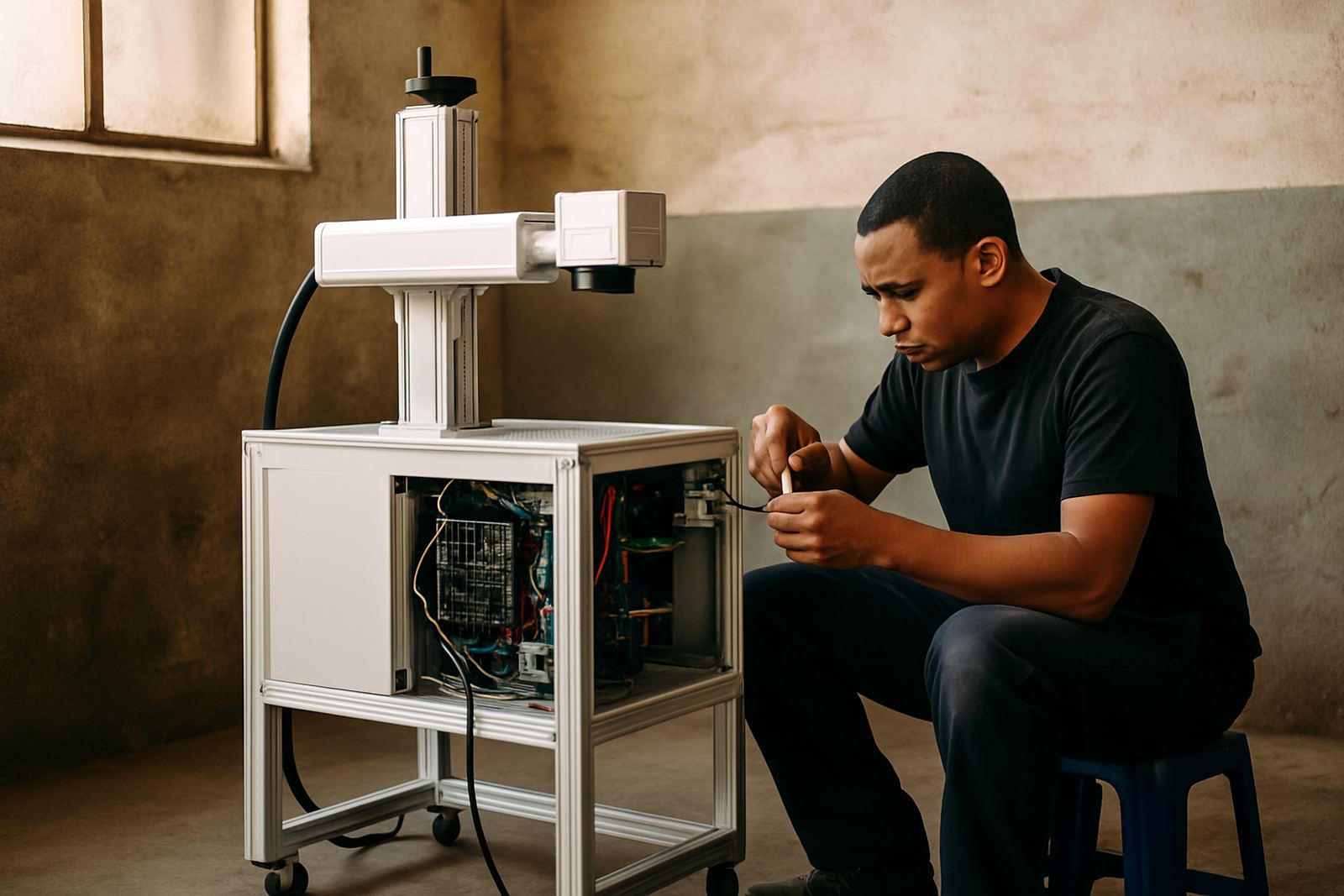
Good training is not only about making the first mark. It is also about keeping the machine working through the week. We show your team the daily and weekly checks that help avoid stoppages, and we explain when to stop and call for support before a small issue becomes a breakdown.
This is particularly useful for workshops that run long hours or operate during unstable power supply. After a power cut or voltage dip, the operator should know what to check before resuming production. Small things like loose fixtures, dirty lenses or poor cable handling can affect marking quality fast.
- Check cooling and air supply before starting a shift
- Inspect cables, covers and connectors for wear
- Wipe the work area and keep swarf away from optics
- Run a short test mark after any shutdown or outage
- Log any unusual noise, error message or faded mark
We keep the routine practical and short, so it gets done. A 5 minute check before production is easier than losing half a day to fault finding later.
How we structure onsite training in South Africa
Training usually starts with a walk-through of the machine, your parts and the jobs you want to run most often. Then we move into live marking, first on sample material and then on your own components. Once the team understands the process, we repeat the key steps with each operator so no one is left behind.
For sites in Wadeville, Germiston and surrounding areas, we can often align training with installation or maintenance work. For clients further afield, we plan nationwide installs and training visits with enough time for proper setup. If your site has access rules, shift limits or municipal restrictions on working hours, tell us early so we can plan around them.
By the end of the session, your staff should be able to handle routine production with confidence, know when to escalate a fault, and keep the machine in better condition between services. That is what makes the difference in day-to-day output, not just on paper but on the factory floor too.